New Coating Shreds 96% of Viruses in Six Hours
Australian scientists created a surface covered in microscopic spikes that physically punctures viruses, destroying 96% of infectious particles without harsh chemicals. This breakthrough could soon protect hospital tables, phone screens, and keyboards from spreading disease.
Imagine a surface so precisely engineered that it kills viruses on contact, no chemicals needed. Scientists at RMIT University in Australia just made it real.
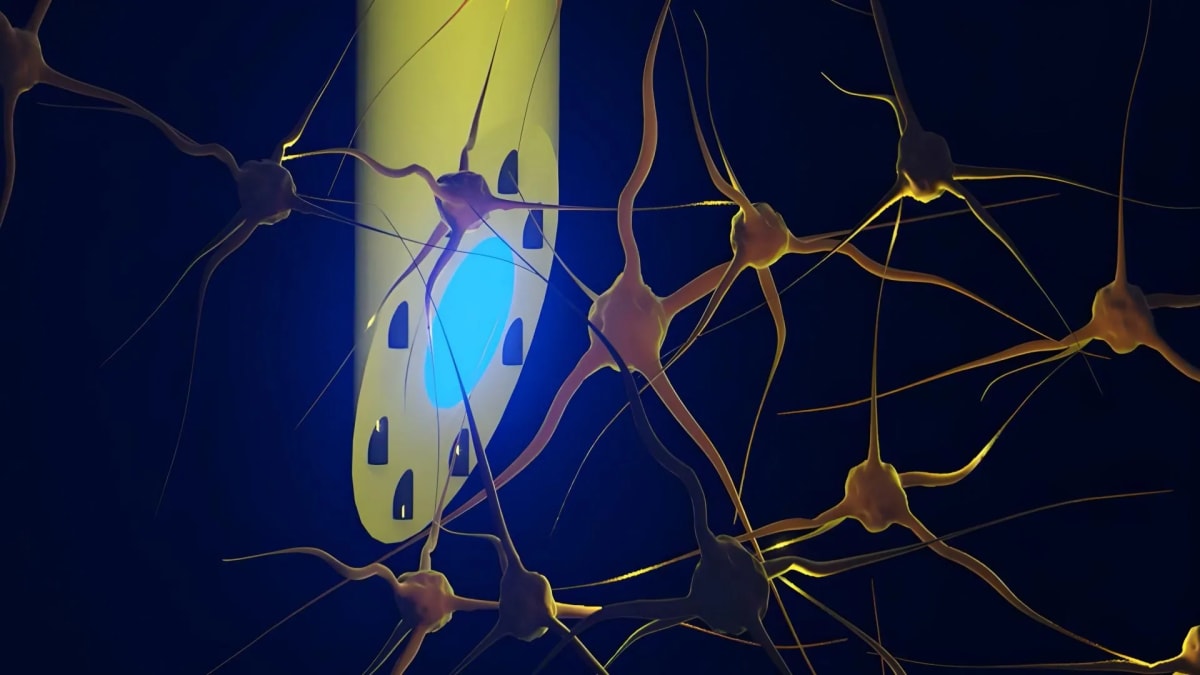
The team developed a silicon coating covered in millions of ultra-fine nanopillars, each topped with a spike so sharp it literally pierces through virus particles. When a virus lands on this black, velvety surface, those tiny needles puncture its protective outer shell, causing it to deflate and lose its ability to infect.
The results speak for themselves. In lab tests with human parainfluenza virus type 3, a common respiratory bug, the nanotextured surface destroyed 96% of infectious particles within six hours. Viruses on smooth surfaces remained intact and dangerous during the same period.
Lead researcher Samson Mah and his team used powerful microscopes to watch the virus particles interact with the spikes in real time. The viral envelopes stretched and ripped as multiple nanopillars pressed against them simultaneously, tearing them apart through pure mechanical force.
This isn't just about one virus. Previous research suggests the technology could work against SARS-CoV-2, RSV, rhinovirus, and several other common pathogens. Early tests show it even kills certain bacteria the same way.
The real game changer is how practical this could become. The team developed a mold that works with existing roll-to-roll manufacturing equipment, meaning factories could produce antiviral plastic films at scale without retooling their entire operation.
The Ripple Effect
Think about all the surfaces we touch every day without thinking. Doorknobs in hospitals where immune systems are already compromised. Keyboards in shared offices. Phone screens we press against our faces. ATM buttons. Elevator panels.
This coating could transform any of these high-touch surfaces into virus-killing zones. No wiping down with disinfectants. No harsh chemical residues. Just passive protection working around the clock.
The technology works best when nanopillars are packed closer together, allowing more spikes to attack each virus particle at once. The team is now refining the spacing and density to maximize effectiveness.
Hospitals could coat examination tables and bed rails. Schools could protect shared computers. Public transit systems could shield handrails and ticket machines. The applications extend anywhere people gather and share space.
Manufacturing at scale means this protection could reach communities worldwide, not just wealthy institutions that can afford constant deep cleaning. A one-time coating could provide ongoing defense against disease transmission in places that need it most.
Within a few years, the antiviral surfaces that once seemed like science fiction could become as common as antibacterial soap, quietly protecting us with every touch.
More Images


Based on reporting by New Atlas
This story was written by BrightWire based on verified news reports.
Spread the positivity!
Share this good news with someone who needs it