Scientists Create Living Knee Replacement That Grows With You
Researchers are developing a 3D-printed knee implant made from living cells that could solve a major problem for younger patients who need joint replacements. Unlike traditional metal implants that last only 20 years, this living knee grows with your body.
Younger people facing knee replacement surgery often face an impossible choice: endure years of pain while waiting to get older, or get an implant now knowing they'll need risky revision surgery later. A team at Columbia University and the University of Missouri is working to change that with a knee replacement that's actually alive.
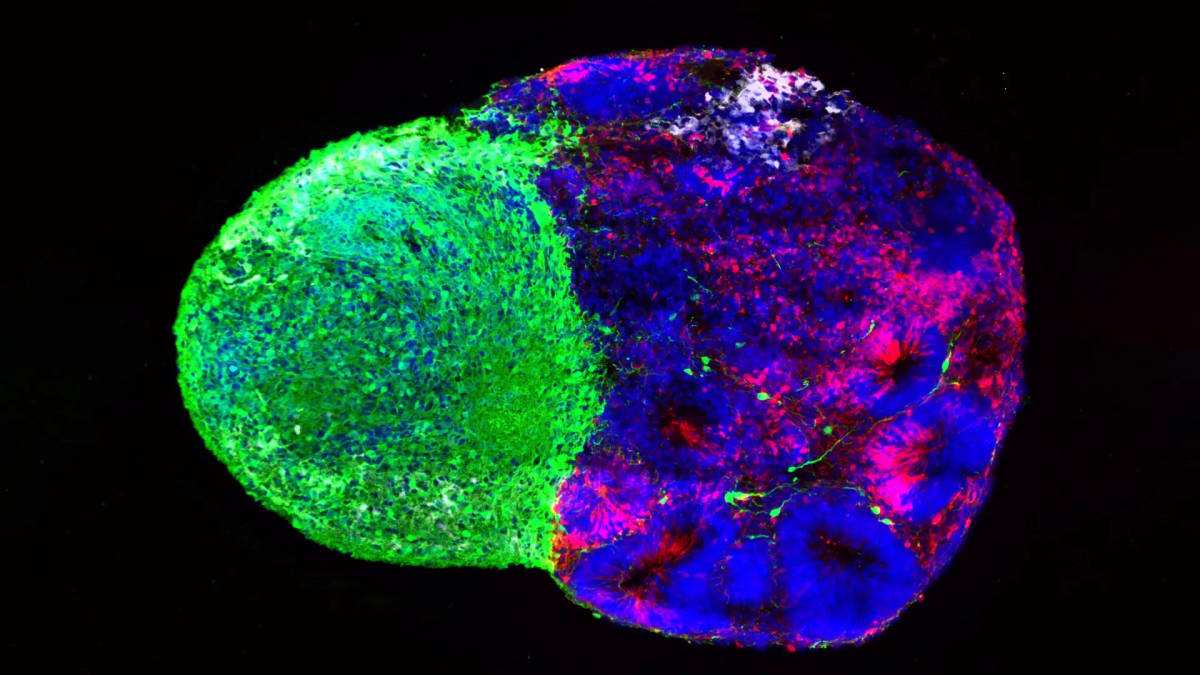
The NOVAKnee implant uses a 3D-printed scaffold packed with stem cells that become bone and cartilage. Once implanted, the scaffold slowly dissolves as your own living tissue grows to replace it, integrating seamlessly into your skeleton.
Traditional knee implants work well but fail after 15 to 20 years. That's fine for older patients who may only need one replacement in their lifetime, but younger patients face a painful dilemma.
"Most surgeons will tell you to wait and take meds to relieve pain until you're older," explains Professor Clark Hung, one of the developers. Revision surgeries require removing the old implant without destroying surrounding bone, then cutting a larger opening for the new one.
For younger patients with weaker bone or higher bone mass loss, these revision surgeries carry higher risks of the implant loosening or failing completely. NOVAKnee aims to be the last knee replacement a patient ever needs.
The living implant has already been tested in lab mice, where tiny versions were placed under the skin to see how the body responded. Soon, larger animal trials will replicate how the replacement works in human knees.
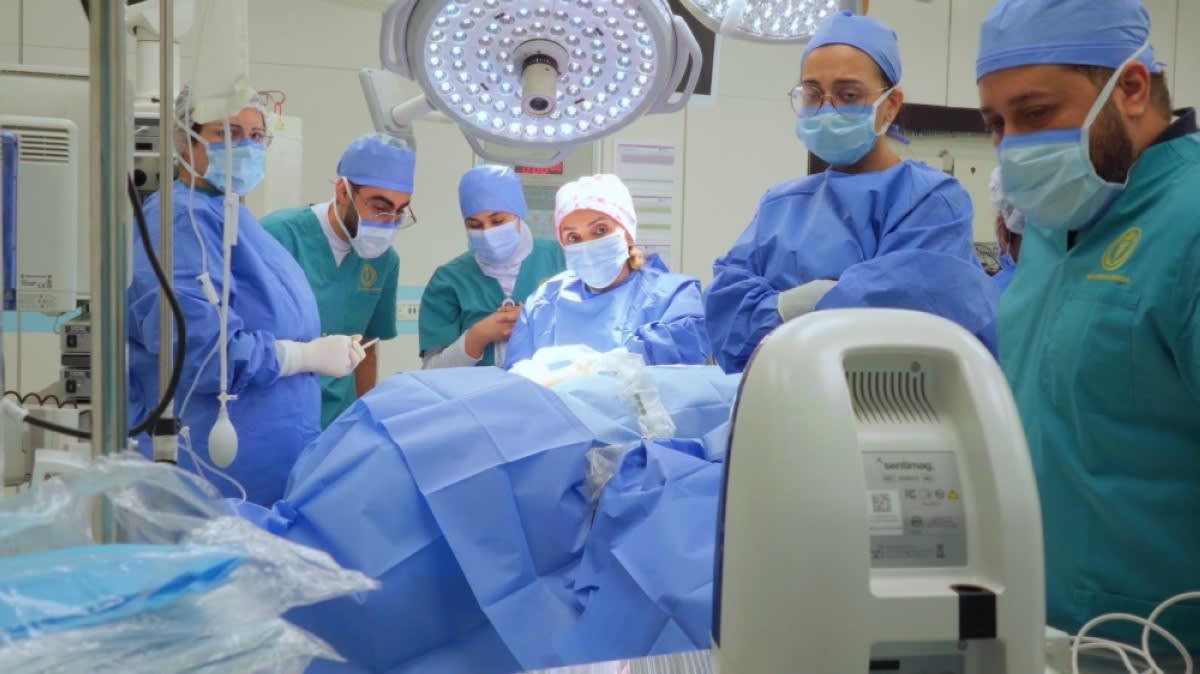
From a surgical perspective, the procedure should feel familiar to orthopedic surgeons. The team designed it as a living version of something doctors already know how to install, making adoption easier.
Why This Inspires
This innovation represents more than just better medical technology. It's about giving younger people with severe knee damage their lives back without forcing them to choose between years of disability and multiple risky surgeries.
The research is supported by a federal project called Novel Innovations for Tissue Regeneration in Osteoarthritis, which is funding multiple efforts to help the human body repair its own joints. Professor Nadeen Chahine notes that while the exact patient populations who will benefit most aren't fully clear yet, there's obvious opportunity to help younger adults who currently have no real treatment options.
If animal trials succeed, the team hopes to begin human trials as soon as 2028. For the thousands of younger people living with severe knee pain and limited mobility, that timeline offers genuine hope for a solution that could last the rest of their lives.
More Images



Based on reporting by Live Science
This story was written by BrightWire based on verified news reports.
Spread the positivity!
Share this good news with someone who needs it