Canada Builds $1B Battery to Power 500,000 Homes for 8 Hours
A groundbreaking compressed air energy storage facility in Ontario will store enough clean energy to power half a million homes, helping secure the grid as demand surges 65% by 2050. Construction starts in 2029 with the system lasting 50 years.
Ontario is getting a massive underground battery that doesn't use batteries at all.
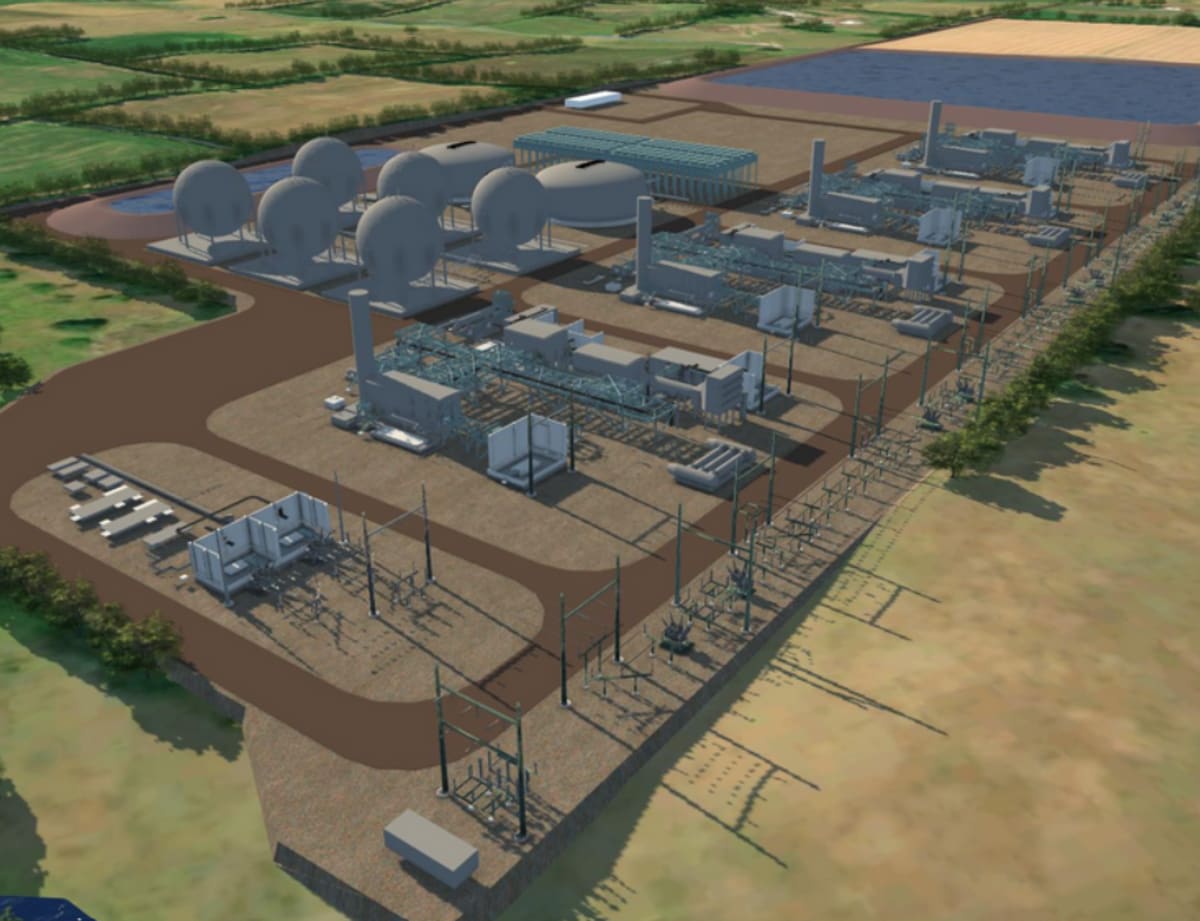
Hydrostor is building the Quinte Energy Storage Centre just outside Greater Napanee, Ontario. The facility will use advanced compressed air technology to store 4 gigawatt-hours of clean energy, enough to power 500,000 homes for eight hours during peak demand.
The timing couldn't be better. Ontario's electricity operator warns the province faces a 65% jump in electricity demand by 2050, with severe shortages expected by 2035.
Here's how it works: the facility compresses air and stores it underground, capturing the heat generated during compression. When power is needed, that stored heat warms the air back up as it's released to generate electricity. Traditional compressed air systems waste this heat and recover less than half the energy put in.
The innovation extends beyond efficiency. Most compressed air storage requires rare salt caverns that can handle pressure changes. Hydrostor's system uses water from surface reservoirs to maintain steady underground pressure, meaning it can be built in far more locations across North America and beyond.
Construction begins around 2029, with the facility going live in the early 2030s. The project will pump over $1 billion into Canada's economy and has already secured $50 million in federal development funding.
The Mohawks of the Bay of Quinte aren't just hosting the project. They're equity partners, sharing ownership and economic benefits with the indigenous community.
The Ripple Effect
This isn't just about Ontario. Hydrostor is simultaneously developing similar projects in California and Australia, proving the technology works across different geologies and climates.
The 50-year lifespan dwarfs lithium battery systems that typically last 10 to 15 years. Long-duration storage like this solves renewable energy's biggest challenge: what happens when the sun sets and the wind stops, but people still need power.
As solar and wind farms multiply across the grid, projects like Quinte become the glue holding clean energy systems together. They store excess renewable power during sunny, windy periods and release it during calm nights or winter peaks.
Future expansion phases could quadruple the initial capacity to 2 gigawatts and 16 gigawatt-hours. That would make it one of the largest energy storage facilities on the planet, capable of supporting entire regions through multi-hour outages or demand spikes.
Canada is building the infrastructure that makes 100% renewable grids possible, one compressed air cavern at a time.
More Images
Based on reporting by PV Magazine
This story was written by BrightWire based on verified news reports.
Spread the positivity!
Share this good news with someone who needs it