Norway's EV Success Shows Path Through Energy Crunch
Norway turned 98% of its new car sales electric using smart subsidies and infrastructure. Now the country is using those same problem-solving skills to tackle an unexpected energy shortage.
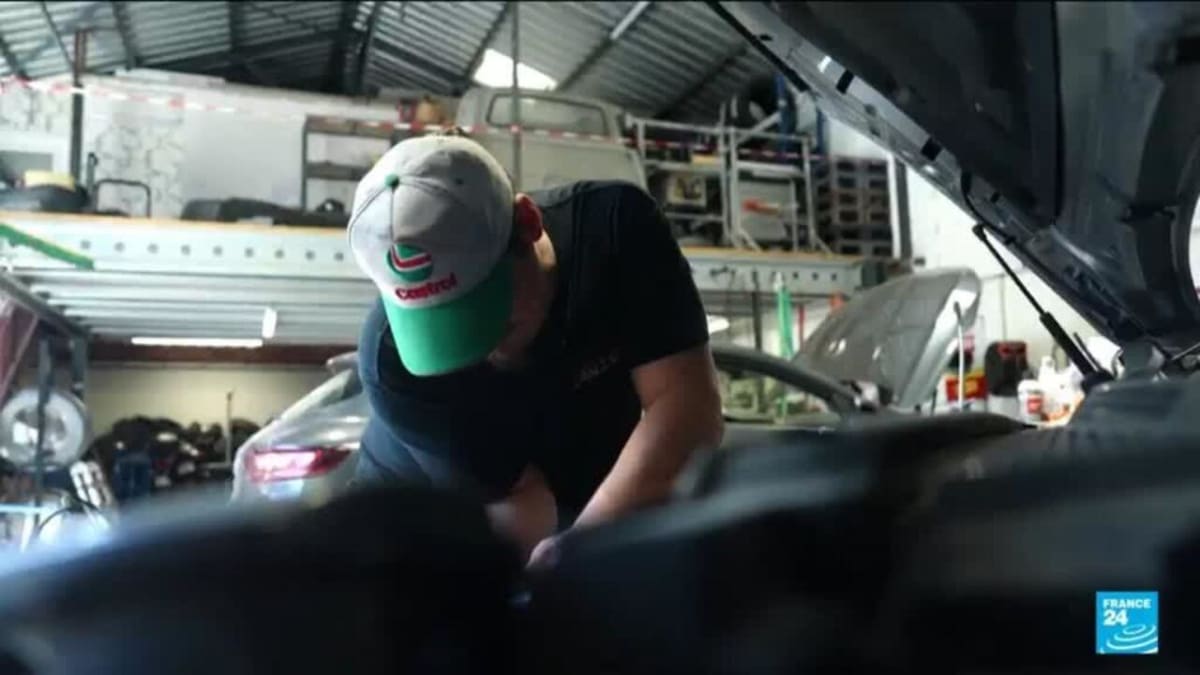
Erik Telle cried when he sold his beloved diesel Volvo last week, but even he had to admit the switch to electric made sense.
The bald Norwegian stood at a Circle K charging station in Oslo, surrounded by more than a dozen other charging points visible on his dashboard map. His new electric Škoda cost less than a gas-powered car would have. His kids, already on their second EV, had gently pushed him to make the leap. "Do I really want to do this?" he remembered thinking. But the answer was yes.
Telle's transformation mirrors Norway's remarkable achievement. Electric vehicles now account for 98% of new car sales in the Scandinavian nation, the world's most successful EV transition. The country got there by making electric cars cheaper through tax exemptions, reduced tolls, and a government-funded network of charging stations that attracted private investment.
The strategy worked brilliantly. After 2015, companies saw the market potential and funded nearly all new fast-charging stations themselves. Norwegian buyers like Dag Arne Ribe discovered that a Tesla cost less than a Volkswagen or Audi. "Most people were negative in the beginning, but now it's shifting," he says while charging his car on Oslo's E6 highway.
Norway built this green transportation system using its $2.2 trillion sovereign wealth fund, created from North Sea oil and gas revenues discovered in the 1970s. That's roughly $390,000 for every Norwegian citizen. For generations, the country's abundant hydropower gave residents some of Europe's lowest energy prices while attracting energy-hungry industries to places like Porsgrunn's industrial harbor.
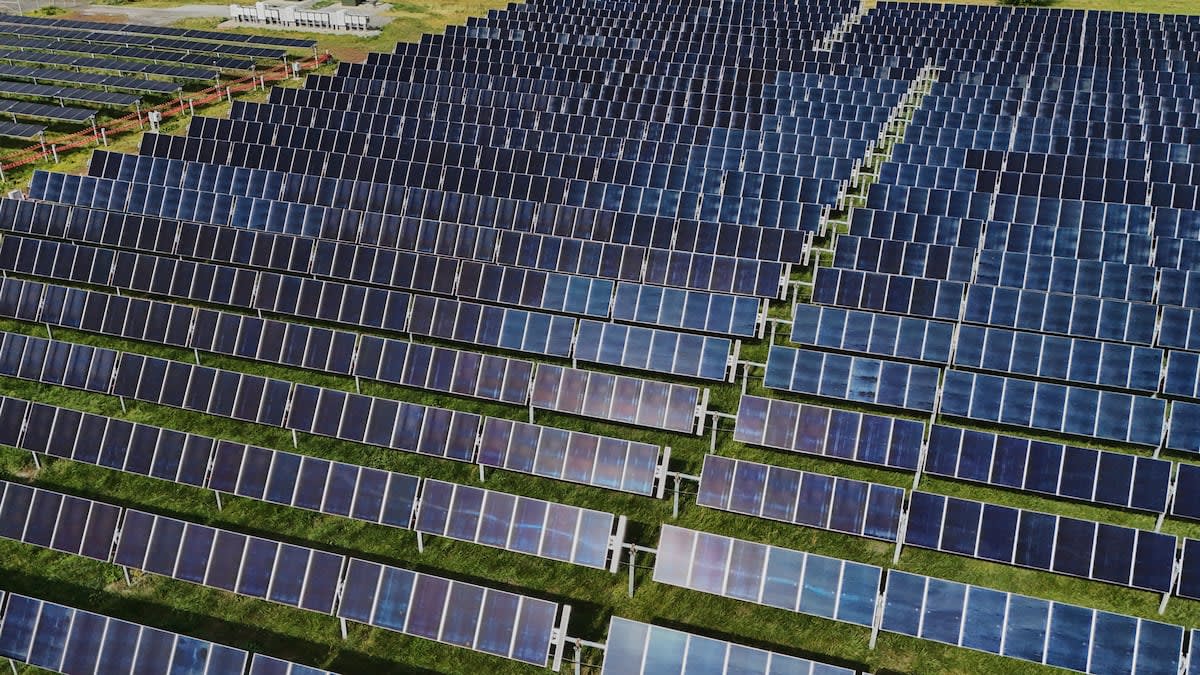
But success brought unexpected challenges. Google is building a $700 million data center near the city of Skien, joining other new facilities drawn by Norway's renewable energy reputation. The servers' cooling systems will consume enormous amounts of power. Combined with growing industrial needs and widespread EV adoption, Norway has tipped from energy surplus to deficit.
The country has exhausted its hydropower sources. Wind power projects, like one proposed above Porsgrunn in Lannerheia, face strong opposition from voters. Norway can no longer simply buy its way out of tough choices, a luxury its oil wealth provided for decades.
Why This Inspires
Norway's challenge is actually a sign of its success. The country created such an attractive clean energy ecosystem that demand now exceeds supply. But the same innovative spirit that achieved a 98% electric vehicle adoption rate is now focused on solving the energy shortage.
The question isn't whether Norway will find solutions, but how those solutions might light the way for other nations. The country proved that government investment can spark private sector momentum and change public behavior at scale. As charging stations multiplied and costs dropped, skeptics like Erik Telle became converts.
Norway designed its oil wealth to benefit everyone equally from the start. That collective spirit, combined with proven problem-solving skills, positions the country to pioneer energy solutions the rest of the world desperately needs. The nation that mastered the EV transition is writing its next chapter.
More Images


Based on reporting by Google News - Norway Green Energy
This story was written by BrightWire based on verified news reports.
Spread the positivity!
Share this good news with someone who needs it