Canada Funds Startup's Super-Resolution Satellite System
A Canadian space startup just secured defense funding to build satellites that could capture Earth images 10 times sharper than anything available today. NordSpace's game-changing technology could transform everything from disaster response to environmental monitoring by 2028.
Imagine satellites that can spot details as small as 10 centimeters from space. That's the breakthrough a Canadian startup is bringing closer to reality with new government backing.
NordSpace just landed $183,000 in defense funding to develop its Kestrel satellite constellation, which would operate much closer to Earth than traditional satellites. The Montreal-based company, founded just two years ago, plans to launch its first ultra-high-resolution imaging satellites by 2028.
The secret lies in flying satellites in very low Earth orbit, skimming through the upper atmosphere at altitudes where few commercial satellites dare to venture. This proximity allows the cameras to capture details no commercial satellite can match today, opening doors for applications from tracking climate change to improving emergency response.
The technology faces real challenges. Satellites flying this low battle constant atmospheric drag that slowly pulls them back to Earth. NordSpace's initial designs would last about three years before burning up, compared to five years for typical low Earth orbit satellites.
But the company has a clever solution. NordSpace is simultaneously building its own rockets and Canada's first commercial spaceport in the eastern provinces. This means they can quickly launch replacement satellites to keep their constellation running smoothly, turning a limitation into a sustainable business model.
Why This Inspires
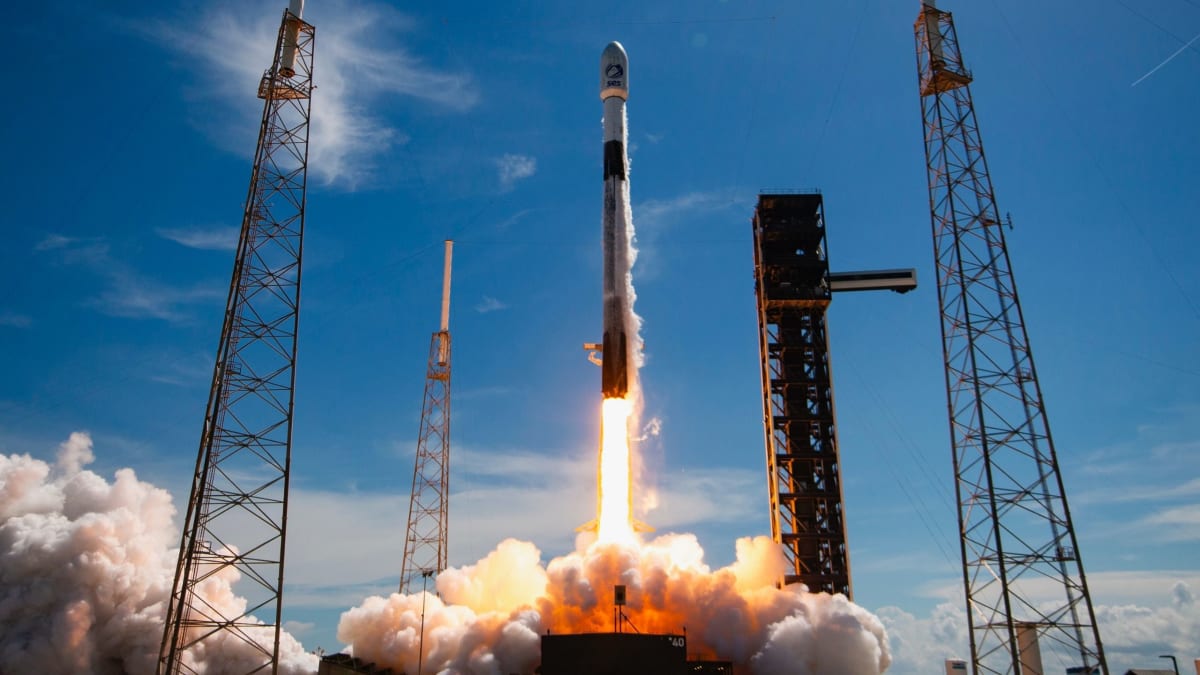
NordSpace represents a new generation of space companies that refuse to choose between ambition and practicality. They're not waiting for perfect technology. Instead, they're launching a test satellite this fall on a SpaceX rideshare to validate their key systems, including an AI-powered imaging system that reduces data transmission by 100 times.
The company has already secured over $7 million in grants, mostly through Canadian defense programs aimed at building sovereign space capabilities. Founder and CEO Rahul Goel deliberately minimized outside investment, keeping control while building something bigger than a single product.
Even more inspiring, NordSpace recently launched a venture capital arm to support other Canadian space startups. They're not just building their own success but investing in an entire ecosystem of innovation.
Their first rocket, Taiga, prepares for launch in the coming months. The larger Tundra rocket, capable of reaching orbit, follows in 2028. Meanwhile, their Terra Nova pathfinder satellite will test crucial technologies this fall, proving concepts before committing to a full constellation.
Canada hasn't had homegrown orbital launch capability since the 1970s, making this moment particularly meaningful for the nation's space ambitions. NordSpace is proving that even countries without massive space budgets can compete in the modern satellite era by being smart, focused, and willing to take calculated risks.
The future of Earth observation is getting clearer, and it's coming from an unexpected northern contender.
More Images


Based on reporting by SpaceNews
This story was written by BrightWire based on verified news reports.
Spread the positivity!
Share this good news with someone who needs it