SpaceX Launches Final GPS 3 Satellite for Space Force
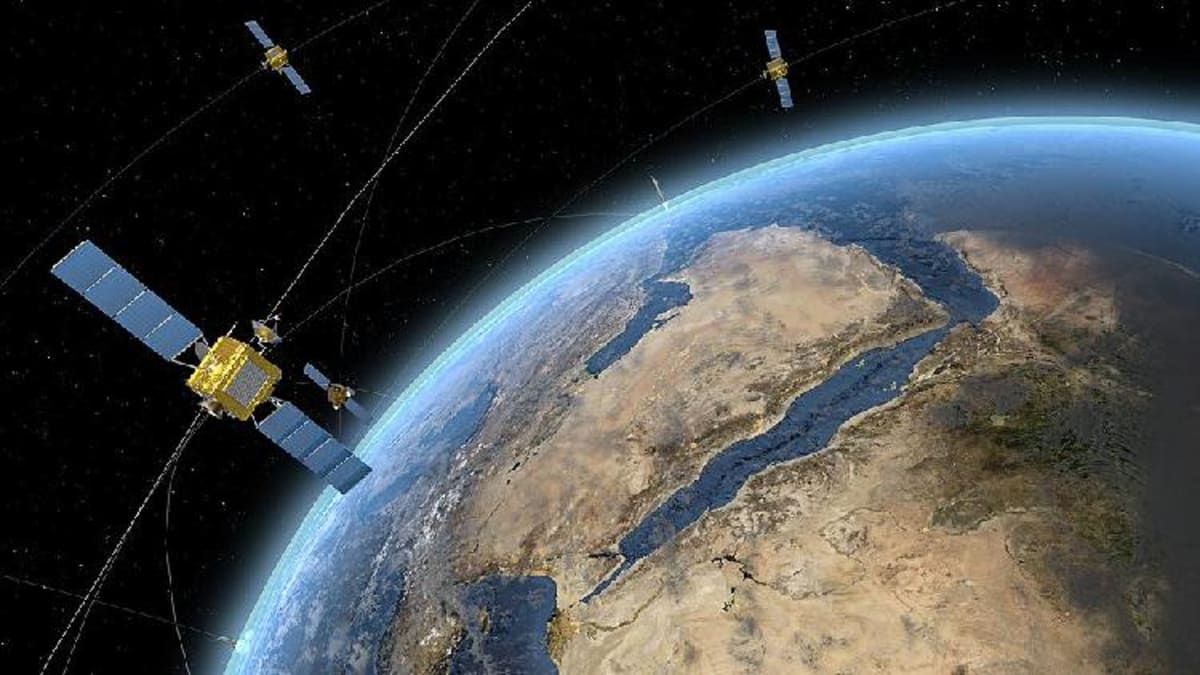
The last of 10 next-generation GPS satellites just reached orbit, completing a years-long upgrade that will make navigation safer and more reliable for billions of people worldwide. The advanced satellite joins a constellation that powers everything from your phone's maps to airplane navigation systems.
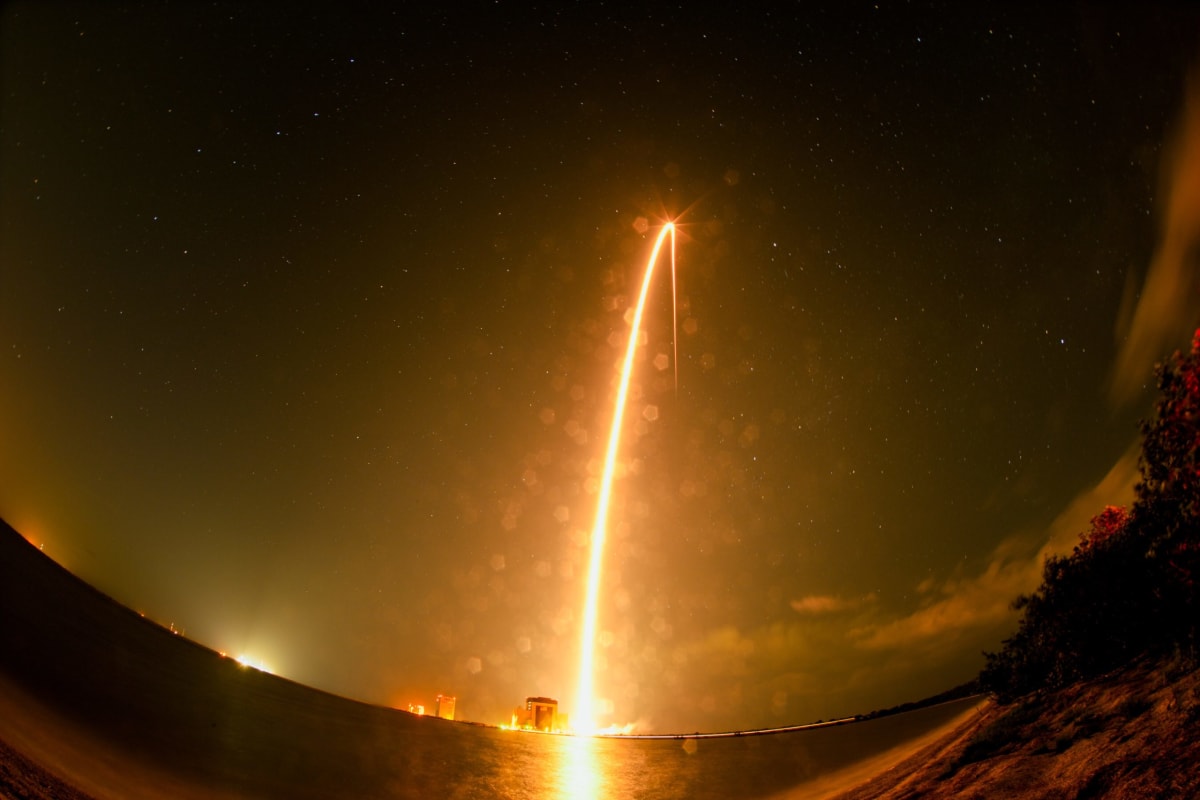
A SpaceX Falcon 9 rocket lit up the predawn sky over Florida on April 21, carrying the final piece of a revolutionary upgrade to the Global Positioning System that touches nearly every aspect of modern life.
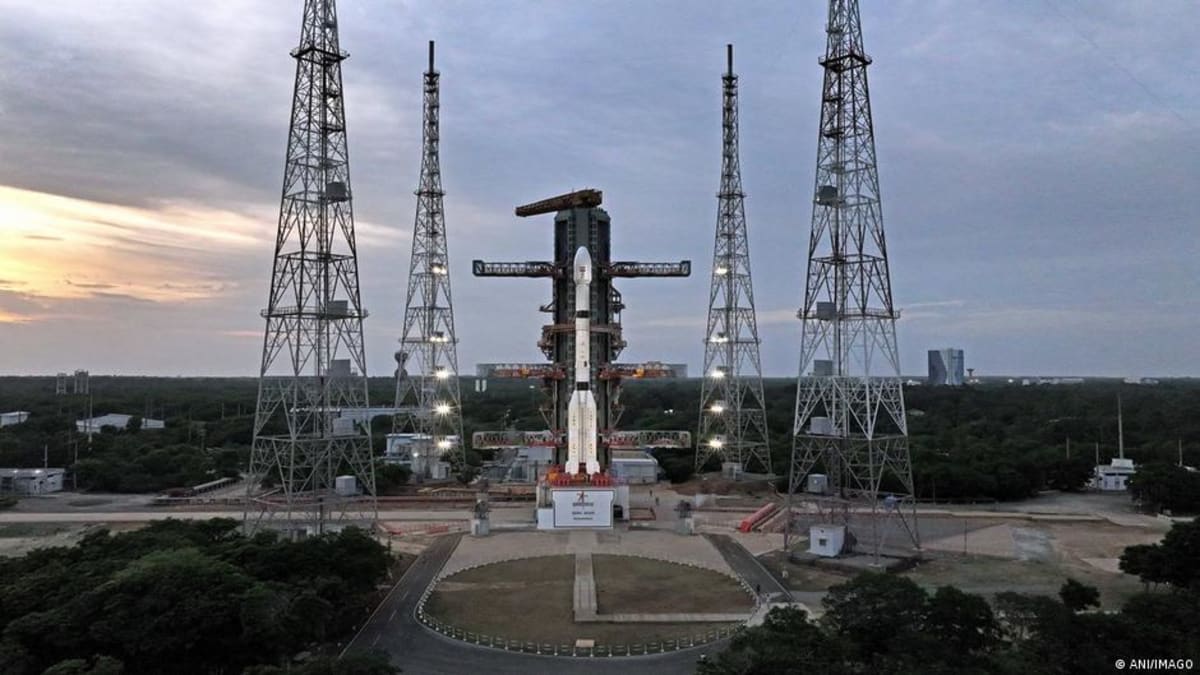
The GPS 3 SV-10 satellite launched at 2:53 a.m. from Cape Canaveral Space Force Station after weather cleared. It's now headed to its permanent home 12,550 miles above Earth, where it will join nine sister satellites already helping people navigate safer and more accurately than ever before.
This tenth satellite marks the completion of the GPS 3 series built by Lockheed Martin. Together, these satellites represent the biggest leap forward in GPS technology in decades, offering stronger signals that resist interference and more precise location data.
The improvements matter for everyone. Pilots flying commercial planes now get clearer signals through the L5 "safety-of-life" channel designed specifically for aviation and transportation. Your smartphone connects better with satellites from other countries thanks to the new L1C signal that plays nicely with Europe's Galileo system and others.
The military benefits too, with encrypted M-code signals that can't be easily jammed or spoofed by adversaries. But the real winners are the billions of civilians who depend on GPS without thinking about it, from farmers planting crops to delivery drivers finding addresses to banks syncing their transaction times.
SV-10 carries some bonus technology riding along for the journey. An experimental optical communications terminal will test sending data through space using light instead of radio waves, potentially opening doors to faster satellite internet. An advanced atomic clock demonstration pushes the boundaries of precision timekeeping even further.
The Ripple Effect
This launch represents more than just completing a satellite series. It shows how military investments in space technology cascade into everyday improvements for regular people. Every text message timestamp, every rideshare pickup, every plane landing safely in fog relies on the GPS constellation working flawlessly.
The Space Force is already looking ahead to GPS 3F, the next generation that will add even more capabilities. Future satellites will carry search-and-rescue equipment and enhanced protection for specific regions during emergencies or conflicts.
SpaceX handled the launch after taking over from United Launch Alliance, whose Vulcan rocket has been grounded since February. The switch kept the program moving forward without delays, ensuring the GPS upgrade stayed on schedule.
The successful completion of GPS 3 means better navigation is already reaching your devices, with full benefits rolling out as all ten satellites become operational over the coming months.
More Images


Based on reporting by SpaceNews
This story was written by BrightWire based on verified news reports.
Spread the positivity!
Share this good news with someone who needs it