SpaceX Lands 600th Rocket, Makes Space Flight Affordable
SpaceX just completed its 600th successful rocket landing, turning what was once considered impossible into a weekly routine. The breakthrough is slashing the cost of reaching space and paving the way for missions to Mars.
Rockets that land themselves and fly again used to be science fiction. Now SpaceX has done it 600 times, and the achievement is quietly revolutionizing our access to space.
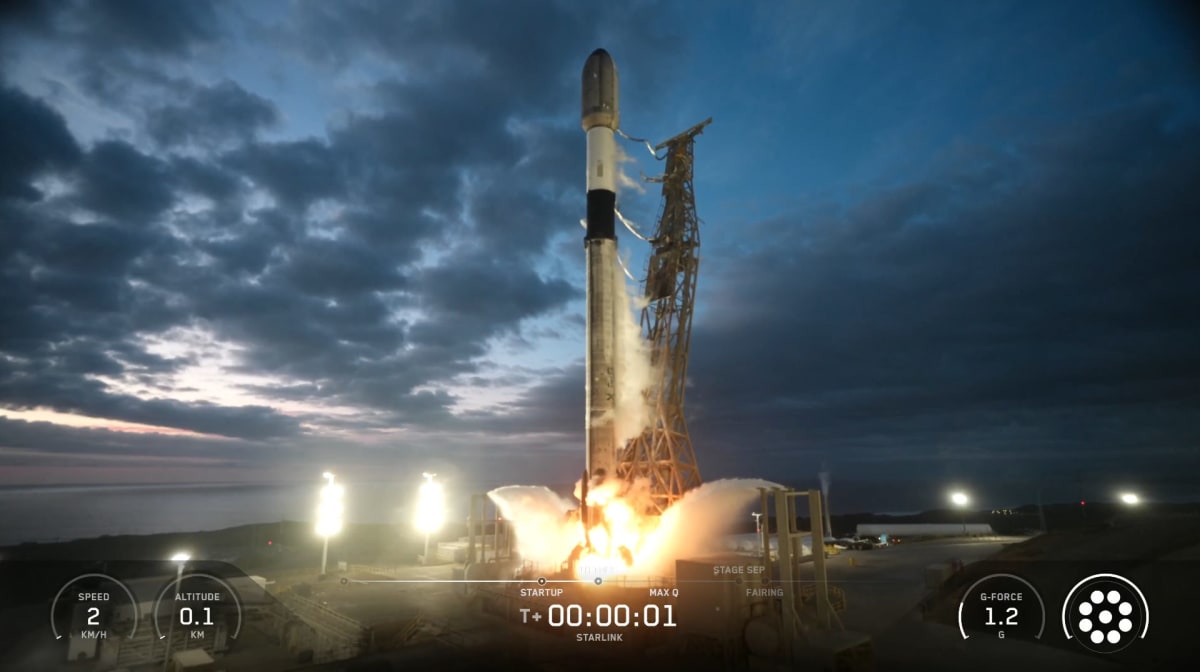
The aerospace company hit the milestone on Sunday when another Falcon 9 booster touched down safely after launching into orbit. SpaceX Vice President Kiko Dontchev celebrated on social media, noting that 496 of those landings happened on autonomous ocean platforms while 104 occurred on solid ground.
The numbers tell an incredible story of persistence. For decades, every rocket ever launched was tossed away after a single use, making each trip to space cost hundreds of millions of dollars. SpaceX founder Elon Musk believed there had to be a better way.
Between 2013 and 2015, that vision looked questionable. Early landing attempts ended in spectacular explosions as boosters crashed into floating platforms or tumbled into the ocean. Critics called it a waste of time and money.
Then in December 2015, everything changed. A Falcon 9 booster descended through the night sky and touched down vertically at Cape Canaveral, standing tall on its landing legs. Four months later, SpaceX achieved the even harder feat of landing on a moving droneship at sea.
Since those breakthrough moments, the success rate has climbed to nearly perfect. What seemed impossible eight years ago now happens multiple times per month.
The Ripple Effect
The impact goes far beyond impressive engineering videos. Reusing the most expensive part of the rocket saves tens of millions of dollars per launch, making space accessible for projects that couldn't afford it before.
That cost reduction enabled SpaceX to build Starlink, a satellite internet network that now provides high-speed connectivity to remote areas worldwide. It allows NASA to launch astronauts more frequently and helps scientists deploy telescopes and climate monitoring equipment.
Each landing also teaches lessons that feed directly into Starship, the massive next-generation vehicle designed to carry humans to the Moon and eventually Mars. The 600 successful Falcon landings created a playbook for making even bigger rockets reusable.
Other companies are starting to follow SpaceX's lead. Blue Origin recently began landing its own rockets, and the broader aerospace industry is racing to develop reusable technology. But SpaceX's 600-landing head start remains unmatched in spaceflight history.
The company now routinely refurbishes and relaunches the same booster within weeks, turning rocket flight into something closer to how airlines operate planes. Some boosters have flown more than 20 times each, proving the concept works at scale.
What once seemed like an impossible dream is now just another successful Tuesday at SpaceX, opening the door to a future where space is within reach for everyone.
Based on reporting by Google: SpaceX launch success
This story was written by BrightWire based on verified news reports.
Spread the positivity!
Share this good news with someone who needs it