Canada Invests $18.8M to Turn Food Waste Into Clean Energy
Canada's largest food waste facility just secured nearly $19 million to triple its capacity to turn leftover groceries and restaurant scraps into renewable natural gas that can heat thousands of homes. The London, Ontario plant proves we can solve two problems at once: reducing waste while creating clean energy.
A facility in London, Ontario is showing the world how yesterday's lunch can power tomorrow's future.
Canada just invested $18.79 million in Generate Upcycle's anaerobic digester plant, the country's largest facility that transforms food waste into renewable natural gas. The plant takes leftover food from grocery stores, restaurants, and households and converts it into clean energy that flows directly into the natural gas grid.
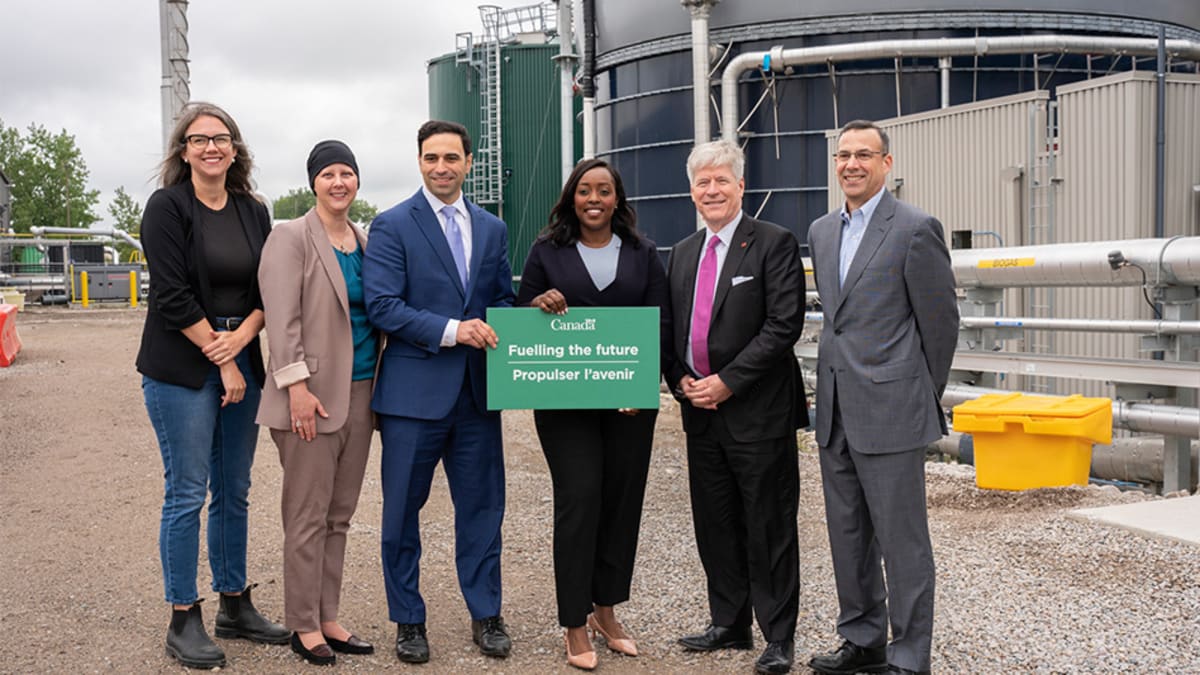
The funding comes from Natural Resources Canada's Clean Fuels Fund, a $1.5 billion program designed to help the country reach net zero emissions by 2050. Minister of Energy and Natural Resources Tim Hodgson announced the loan alongside local officials and company leaders in August 2026.
The investment supports a four-year, $70 million expansion that will dramatically increase how much waste the facility can process. The first phase wrapped up in spring 2024 and already tripled the plant's renewable natural gas production capacity.
Phase two is underway now, expanding the systems that receive food waste and digest it into usable fuel. When construction finishes in early 2027, the facility will produce up to 832,000 gigajoules of renewable natural gas annually. That's enough to heat more than 9,400 Canadian homes for a full year.
The process works through anaerobic digestion, where microorganisms break down organic waste without oxygen. Instead of food scraps rotting in landfills and releasing harmful methane into the atmosphere, the facility captures that gas and purifies it into renewable energy.
The Ripple Effect
This project creates multiple wins simultaneously. Communities divert food waste from overflowing landfills. The facility generates clean energy without drilling for new fossil fuels. Local jobs get created during construction and ongoing operations.
Bill Caesar, Generate Upcycle's president, emphasized how public-private partnerships make these solutions possible. "These solutions are ready to scale across Canada," he said, noting that the upfront investment demonstrates investor confidence in renewable natural gas technology.
The facility accepts waste from municipal collection programs plus commercial sources like food manufacturers and beverage companies. Every banana peel, expired yogurt, and restaurant leftover becomes fuel instead of pollution.
Canada is betting that turning waste into energy represents a practical path toward cleaner power. The investment shows government commitment to solutions that use existing resources rather than extracting new ones.
Projects like this one prove we don't need to choose between managing waste and fighting climate change when smart technology does both.
More Images
Based on reporting by Google: clean energy investment
This story was written by BrightWire based on verified news reports.
Spread the positivity!
Share this good news with someone who needs it