Canada Partners with Indigenous Nations for Trade Success
Canada's first liquified natural gas export to Asia came from Indigenous-owned territory, proving economic partnership works. Now Ottawa is considering embedding Indigenous leadership into all trade policy decisions.
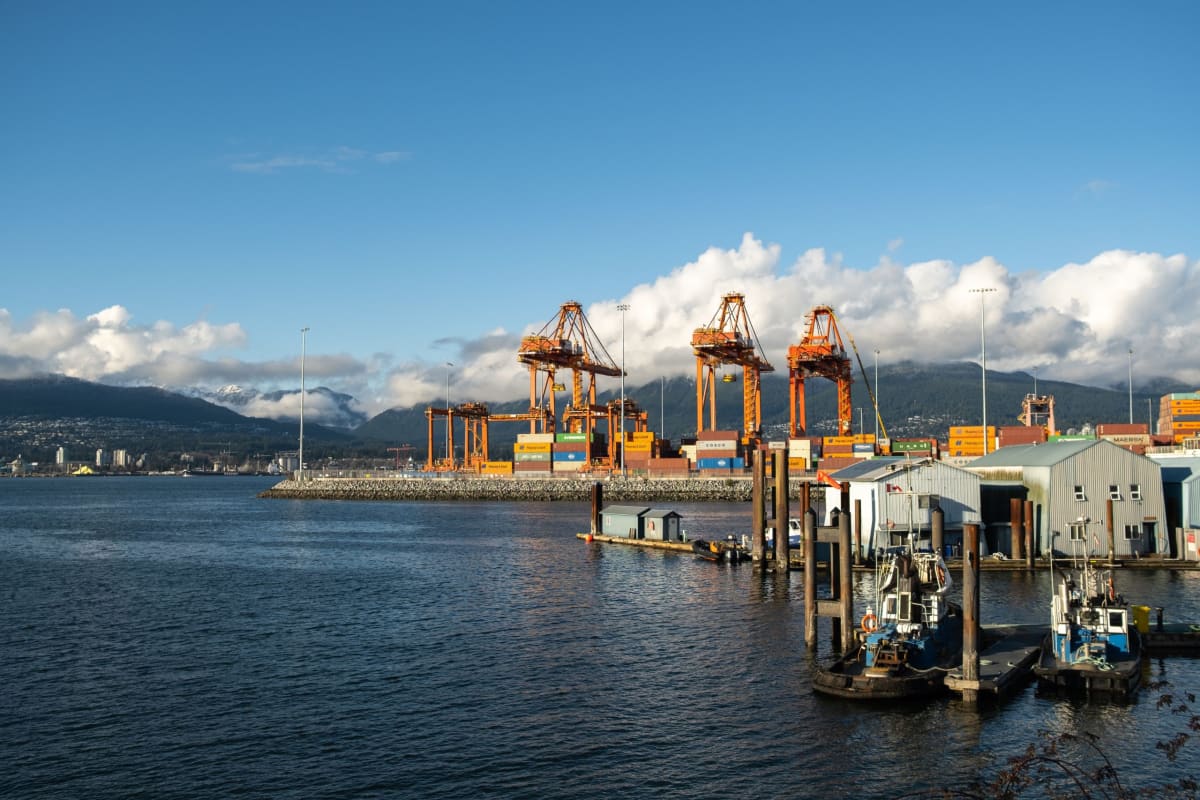
When Canada's first tanker of liquified natural gas left British Columbia for Asia in 2025, it carried more than fuel. It carried proof that Indigenous partnership drives economic success.
The cargo came from a facility on Haisla Nation territory, near the Haisla Nation's majority-owned Cedar LNG project. With 93 percent of members voting yes, the Haisla borrowed $1.4 billion to make history as the world's first majority Indigenous-owned LNG facility.
This isn't a feel-good side story to Canada's trade plans. It's the foundation. Nearly 200 energy and infrastructure projects across Canada now have partial or full Indigenous ownership, representing billions in economic activity.
The pattern is clear. Projects with Indigenous consent move forward. Projects without it stall in courts and protests, delaying the exports Asia is asking Canada to deliver.
Now policy experts are calling for Ottawa to take the next step. Instead of partnering project by project, they want Indigenous advisory councils embedded across Global Affairs Canada, shaping trade agreements and economic partnerships from the start.
The key difference? Real authority. Not a seat at the table after decisions are drafted, but formal checkpoints that can pause or redirect positions before they reach international partners.
Why This Inspires
New Zealand already showed this approach works. Between 2020 and 2023, Foreign Minister Nanaia Mahuta advanced a Māori-centered foreign policy grounded in Indigenous values like hospitality and intergenerational thinking.
The results speak volumes. New Zealand resolved $423 million worth of trade barriers in one term while maintaining stable relationships with China and rebuilding trust with Pacific Island nations that once saw it as a colonial power.
Canada has the commitments on paper. The country signed onto the UN Declaration on the Rights of Indigenous Peoples and created programs promoting Indigenous businesses in trade. But consultation still happens after decisions are made, not during the drafting process.
The proposal calls for genuine nationwide engagement with First Nations, Inuit, and Métis leaders to co-design how these councils would work. Not top-down structures imposed from Ottawa, but partnerships built on mutual respect and shared decision-making.
The business case is simple. Trading partners want durability, local buy-in, and follow-through. Indigenous consent and partnership decide exactly those factors for most major Canadian projects.
Ottawa doubled its Indigenous Loan Guarantee Program to $10 billion, recognizing that Indigenous equity ownership isn't charity but smart economics. When communities have real ownership, projects succeed.
This shift would transform how Canada shows up globally, not by abandoning its commitments but by fully living them.
More Images


Based on reporting by Google News - Reconciliation
This story was written by BrightWire based on verified news reports.
Spread the positivity!
Share this good news with someone who needs it