Canada Turns $10B in Mine Waste Into Battery Metals
Scientists in Sudbury, Ontario have opened a pilot facility that uses bacteria to extract billions of dollars worth of nickel, cobalt, and copper from old mining waste. The breakthrough technology could transform abandoned tailings into critical minerals for electric vehicles while cleaning up the environment.
Imagine turning decades of mining waste into the materials that power electric cars, using nothing more than naturally occurring bacteria.
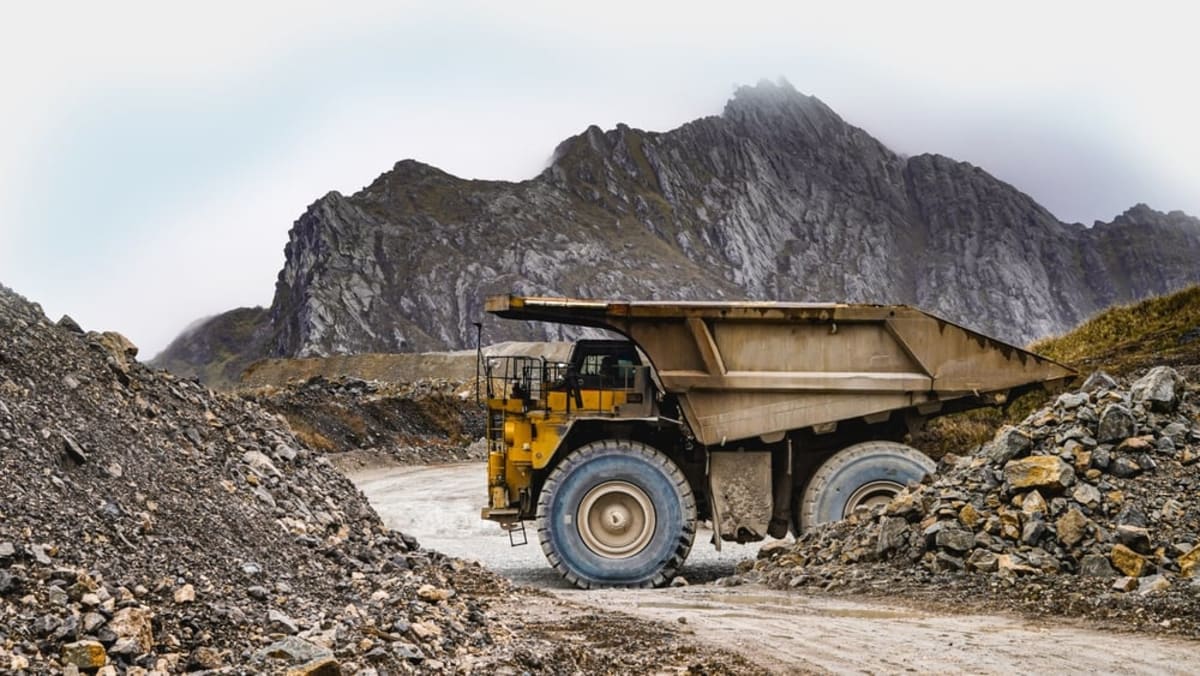
That's exactly what researchers in Sudbury, Ontario are doing. MIRARCO Mining Innovation opened a pilot facility in October 2025 that uses a process called bioleaching to extract valuable metals from old mine tailings. These massive piles of leftover rock, once considered worthless waste, actually contain $8 billion to $10 billion worth of nickel alone.
The technology works by harnessing bacteria that naturally digest minerals. As these microbes break down the waste rock, they release metals like nickel, cobalt, and copper without requiring harsh chemicals or the high temperatures traditional mining demands. It's cheaper, cleaner, and it solves two problems at once: recovering critical minerals while reducing environmental hazards from abandoned mine sites.
Nadia Mykytczuk, CEO of MIRARCO, sees this as a turning point for the mining industry. The new facility brings together researchers, industry partners, and local communities to scale up the technology and train workers in these emerging green mining techniques.
Sudbury's century-long mining history left behind enormous amounts of tailings. For years, these deposits represented environmental concerns and missed opportunities. Now they're becoming valuable resources that could supply the growing demand for battery metals in electric vehicles.
The timing couldn't be better. As countries race to secure supplies of critical minerals for clean energy technology, Canada is finding innovative ways to meet that demand without opening new mines or disturbing untouched land.
The Ripple Effect
This breakthrough reaches far beyond one Canadian town. If bioleaching proves successful at scale, it could be applied to mine waste around the world, turning environmental liabilities into economic assets.
The technology also represents a fundamental shift in how we think about mining. Instead of constantly extracting from new sites, we can recover valuable materials from places we've already disturbed. That means less habitat destruction, lower carbon emissions, and communities benefiting from resources that were sitting in their backyards all along.
For Sudbury, the facility creates jobs in clean technology and positions the region as a leader in sustainable mining innovation. Workers are being trained in bioprocessing techniques that didn't exist a generation ago, preparing them for careers in an industry that's learning to work with nature instead of against it.
The pilot facility demonstrates that waste isn't always waste—sometimes it's just resources we haven't figured out how to use yet.
Based on reporting by Google News - Canada Breakthrough
This story was written by BrightWire based on verified news reports.
Spread the positivity!
Share this good news with someone who needs it