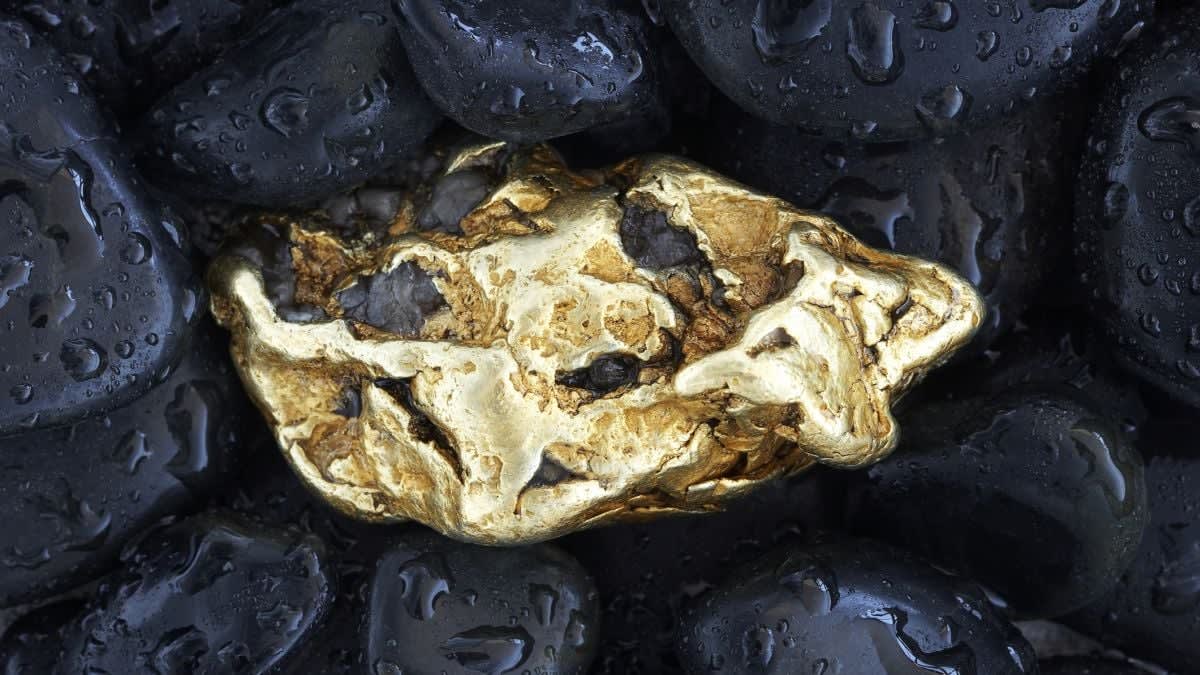
Scientists Solve Mystery of Why Gold Never Rusts
Researchers finally cracked the atomic secret behind gold's eternal shine. The discovery could revolutionize how we use gold to clean up pollution and create cleaner energy.
Gold has captivated humans for thousands of years, not just for its beauty but for something almost magical: it never rusts, tarnishes, or dulls. Now scientists at Tulane University have discovered exactly why at the atomic level, and the answer could help solve some of our biggest environmental challenges.
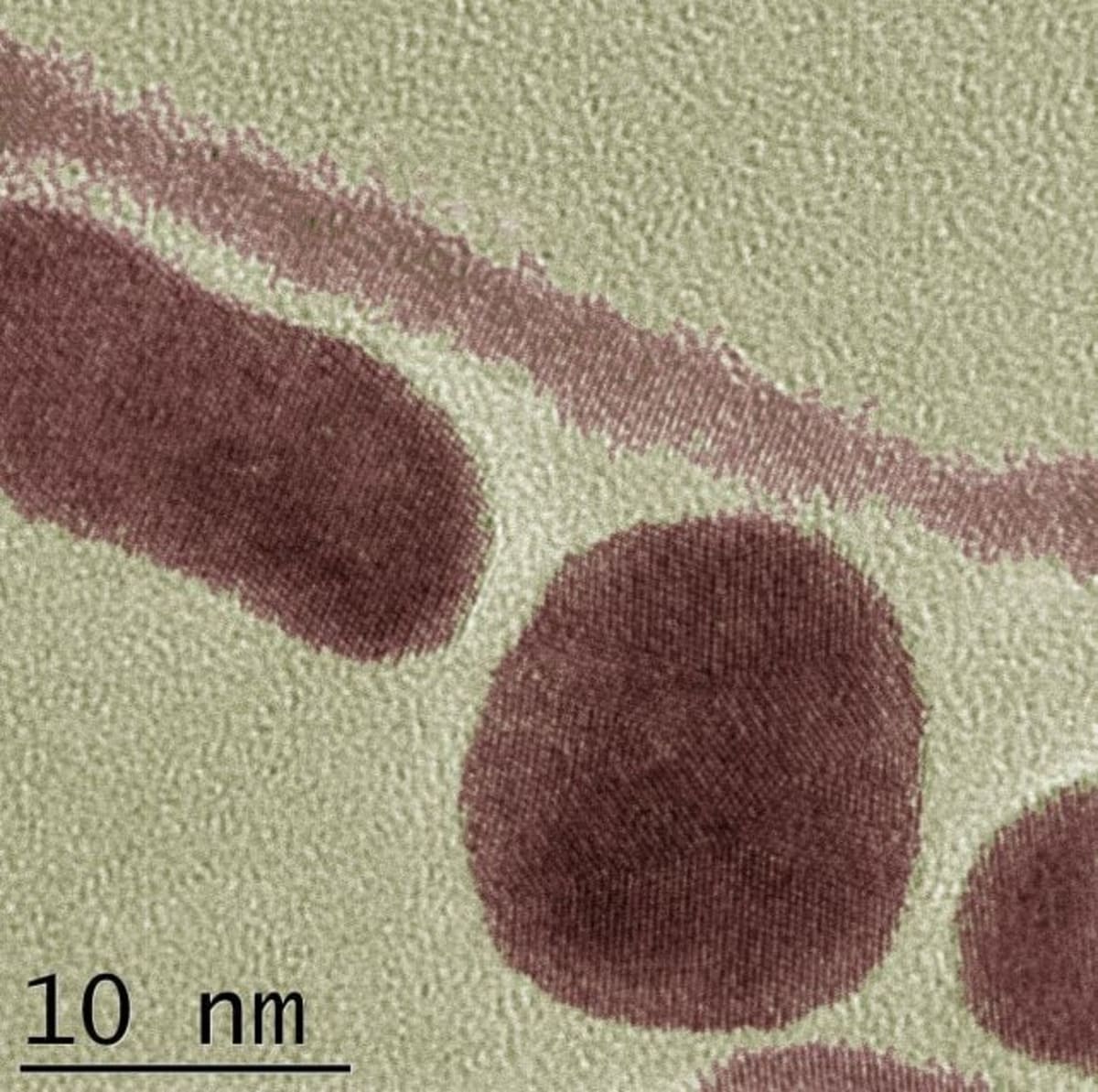
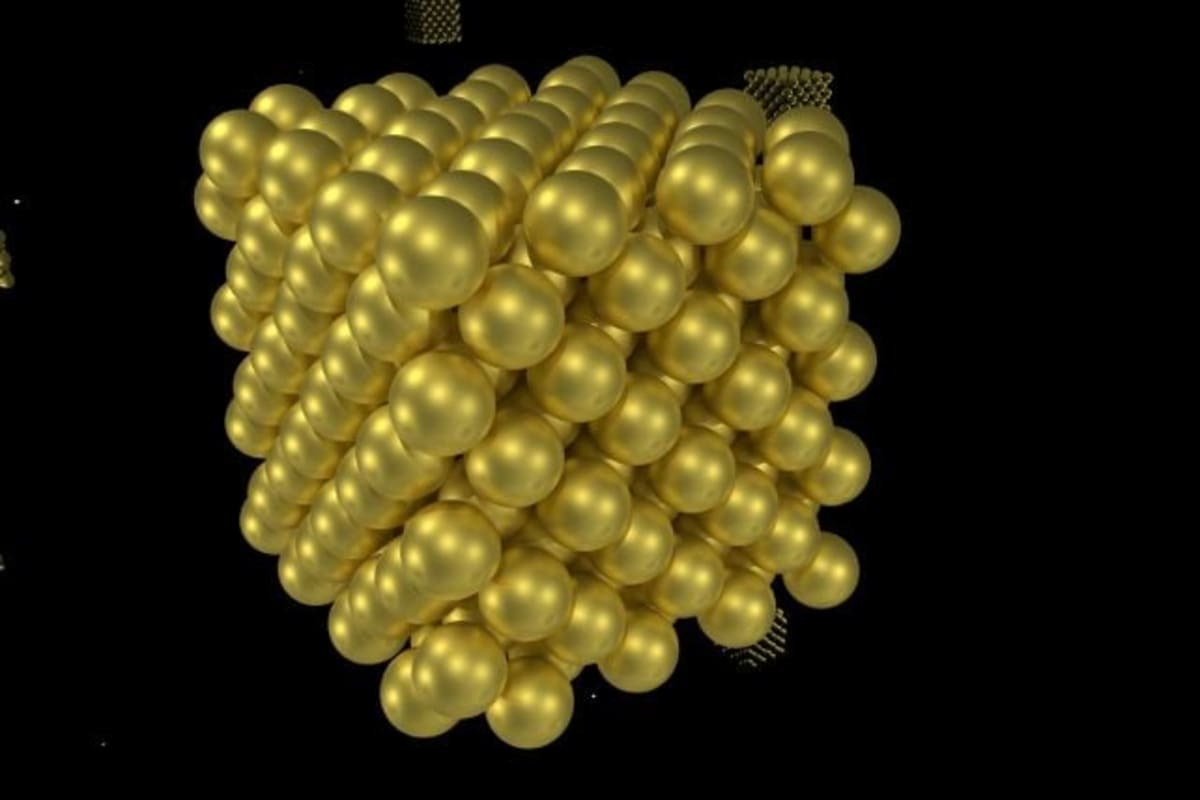
Computational chemists Santu Biswas and Matthew M. Montemore used computer simulations to study gold's surface at the tiniest scale. What they found was surprisingly simple: gold atoms naturally pack together in super tight hexagonal patterns, like an atomic jigsaw puzzle with no gaps.
These tightly packed surfaces leave no room for oxygen molecules to squeeze in and break apart. Without that splitting process, rust cannot form. Gold stays golden forever.
But here's where the story gets exciting. When scientists create tiny gold nanoparticles, the atoms don't always pack as tightly. These looser, square-like patterns have more space between atoms.
The research team discovered that on these looser surfaces, oxygen molecules split apart billions to trillions of times more easily. That's not a small difference. That's the difference between a locked door and a wide-open gate.
The Ripple Effect
This breakthrough matters far beyond understanding shiny metal. Gold catalysts can help convert harmful carbon monoxide into safer carbon dioxide. They could clean industrial emissions and create cleaner chemical processes.
The problem has always been that most catalysts either corrode over time or create unwanted chemical byproducts. Gold doesn't have those issues because it's so chemically stable. Scientists just needed to unlock its oxygen-activating potential.
In the 1980s, researchers made a shocking discovery: tiny gold nanoparticles could activate oxygen despite bulk gold's resistance to it. For decades, nobody understood why. This new research finally provides the answer.
The findings give scientists a roadmap for designing better gold catalysts. By controlling how atoms arrange on gold's surface, they can balance the metal's natural stability with the chemical reactivity needed for useful reactions.
Engineers could create gold catalysts that fight pollution more effectively while lasting longer than current options. The research opens doors to cleaner industrial processes and more efficient ways to break down harmful emissions.
The discovery that made gold humanity's most treasured metal for millennia might now help us build a cleaner future, one tiny gold particle at a time.
More Images
Based on reporting by Google News - Science
This story was written by BrightWire based on verified news reports.
Spread the positivity!
Share this good news with someone who needs it