Canada's Ancient Rocks Produce Clean Hydrogen Underground
Scientists discovered that billion-year-old rocks beneath Canada naturally release hydrogen gas that could power hundreds of homes without carbon emissions. One mine site alone produces enough clean energy annually to meet the needs of 400 households.
Deep beneath northern Ontario, ancient rocks are quietly releasing a clean energy source that could transform how Canada powers its industries and remote communities.
Scientists from the University of Toronto and University of Ottawa made a groundbreaking discovery while studying the Canadian Shield, home to some of Earth's oldest rock formations. These billion-year-old rocks naturally produce hydrogen gas through chemical reactions with underground water, and they've been doing it continuously for years.
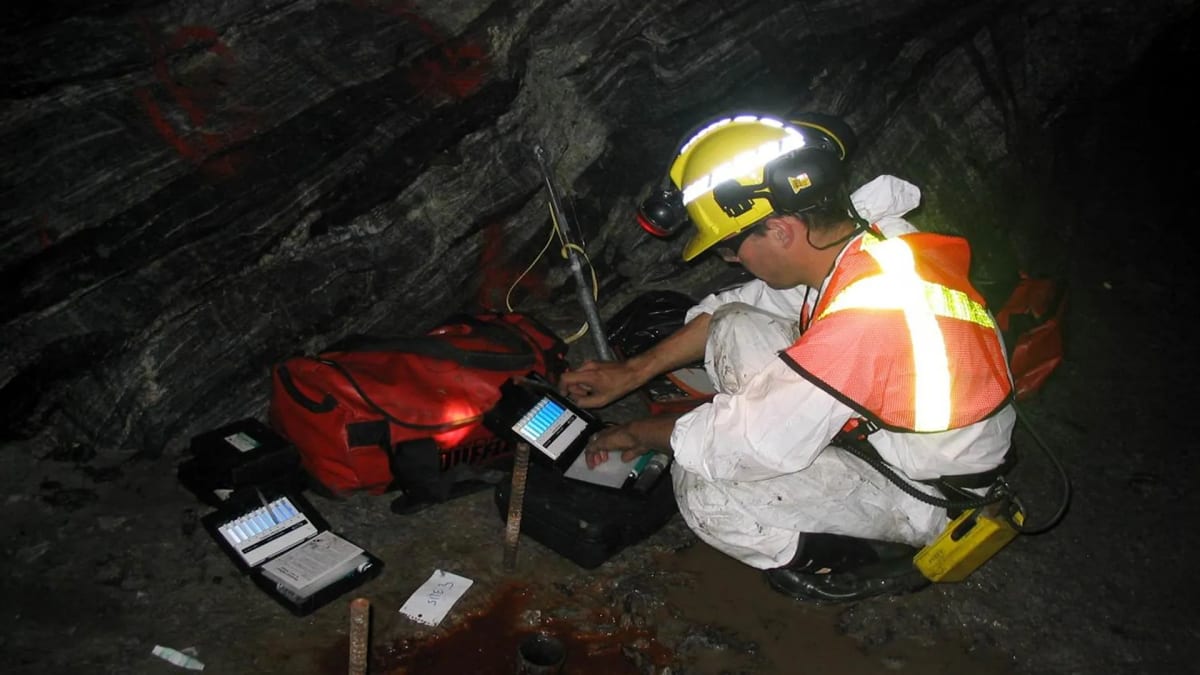
The research team measured hydrogen escaping from boreholes at an active mine near Timmins, Ontario. Each borehole releases about 8 kilograms of hydrogen yearly, roughly the weight of a car battery. The gas keeps flowing for at least a decade without stopping.
When scientists calculated the total output from the site's nearly 15,000 boreholes, the numbers became remarkable. The mine produces over 140 tonnes of hydrogen annually, generating enough energy to power more than 400 homes each year.
"The data from this study suggests there are critical untapped opportunities to access a domestic source of cost-effective energy produced from the rocks beneath our feet," says lead researcher Barbara Sherwood Lollar, a University Professor at the University of Toronto. This represents a homegrown Canadian resource that could reduce dependence on imported fossil fuels.
Unlike traditional hydrogen production, which relies on fossil fuels and releases carbon emissions, this "white hydrogen" emerges naturally from the Earth. Even green hydrogen made with renewable energy remains expensive and requires massive infrastructure for storage and transportation.
The Ripple Effect spreads far beyond one mine site. Canada's vast Canadian Shield territories contain the exact rock types needed to produce natural hydrogen. The largest concentrations appear in regions already home to mining operations in Northern Ontario, Quebec, Nunavut, and the Northwest Territories.
Study co-author Oliver Warr from the University of Ottawa notes that natural hydrogen forms in the same rocks containing Canada's nickel, copper, diamond, and lithium deposits. Mining companies already exploring these areas could tap into local hydrogen sources without building long transportation routes or complex storage systems.
This discovery holds special promise for northern communities that face high costs shipping fuel to remote locations. Local hydrogen sources could provide affordable energy while cutting carbon emissions from mining operations that currently rely on diesel and other fossil fuels.
The research, published in the Proceedings of the National Academy of Sciences, provides the first long-term measurements proving natural hydrogen can flow reliably for years. Previous estimates were mostly theoretical because scientists lacked real-world data from actual sites.
Similar hydrogen-producing rocks exist in many countries worldwide, suggesting this approach could eventually expand beyond Canada's borders.
Canada's ancient geological heritage may hold the key to cleaner energy that's been flowing beneath our feet all along.
Based on reporting by Google News - Scientists Discover
This story was written by BrightWire based on verified news reports.
Spread the positivity!
Share this good news with someone who needs it