San Francisco Uses AI to Save Whales from Ship Collisions
A new AI system called WhaleSpotter now watches San Francisco Bay 24/7, alerting ships when whales are nearby so they can slow down or change course. The technology comes just in time as gray whale deaths from ship strikes hit a 25-year high last year.
Gray whales are swimming into San Francisco Bay hungry and exhausted, and a groundbreaking AI system just launched to keep them safe from the ships that share their waters.
WhaleSpotter went live this week, scanning the bay around the clock for whale blows and heat signatures up to 2 nautical miles away. When it spots a whale, the system immediately alerts ferry operators and cargo ships to slow down or reroute before any collision can happen.
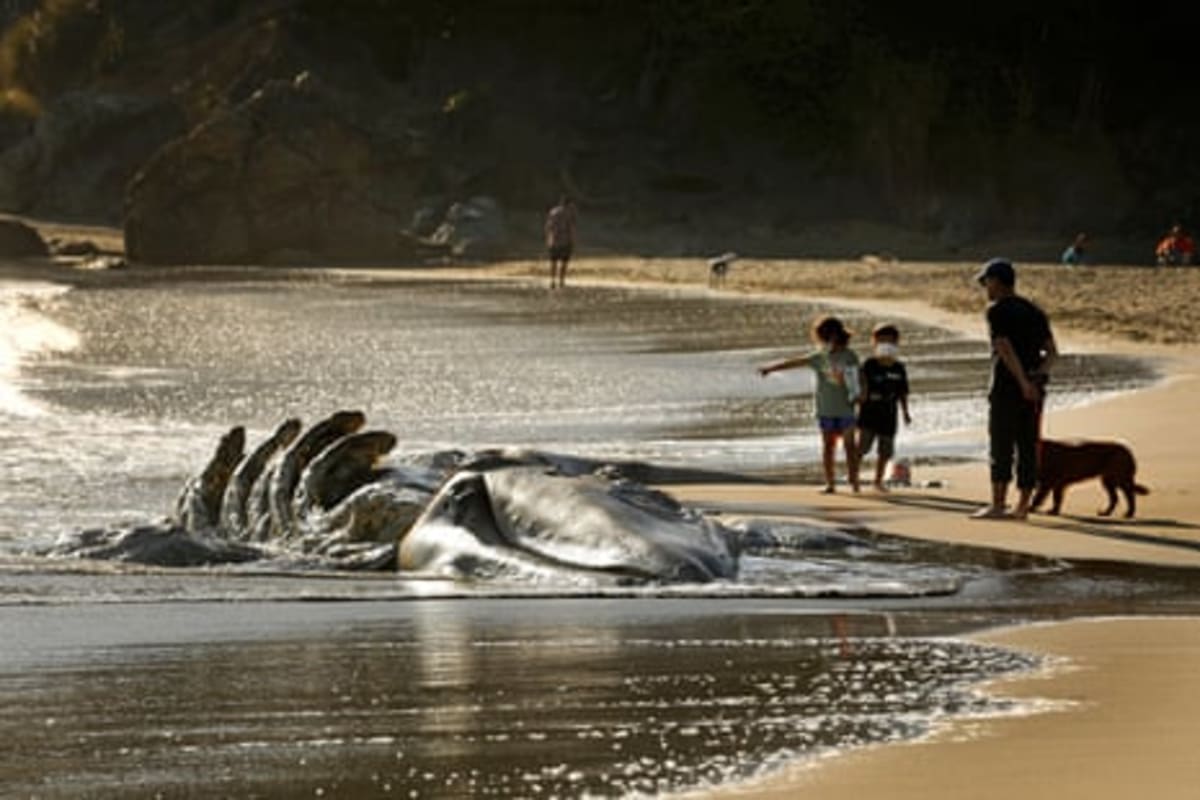
The timing couldn't be more critical. Last year, 21 dead gray whales washed up in the Bay Area, the highest number in 25 years. Ship strikes killed at least 40% of them, and 10 more have already died this year.
Climate change is driving whales into harm's way. Warming Arctic waters are disrupting the food supply gray whales depend on during summer months, leaving many malnourished for their 12,000-mile migration between Mexico and Alaska. Instead of swimming past California's coast, desperate whales now detour into San Francisco Bay searching for food and stay for weeks.
The problem is they're congregating in the worst possible spot. Whales now cluster between Angel Island, Alcatraz, and Treasure Island, right in the middle of busy ferry routes and shipping lanes.
Rachel Rhodes, the scientist leading the initiative, said collision response teams ran out of places to land dead whales. The situation grew so dire that researchers knew they had to act fast.
The Bright Side
The AI system offers constant protection that human observers simply can't match. Thermal cameras work through the night and San Francisco's famous fog, catching whales that would otherwise go unnoticed in choppy waters.
Ferry director Thomas Hall says the early warnings give his crews time to adjust course long before getting anywhere close to whales. Even better, the system tracks patterns over time so operators can completely avoid areas where whales gather during migration season.
One camera already sits on Angel Island, and a second will soon ride aboard a ferry between San Francisco and Vallejo. Scientists hope to add cameras on the Golden Gate Bridge and Alcatraz to blanket the entire bay with coverage.
The system sends verified whale sightings in near-real time via radio to vessels and posts alerts publicly on the Whale Safe website. It's the first network anywhere to directly connect land-based and ship-mounted AI detections with official mariner alerts.
During its first hours of testing, WhaleSpotter flooded researchers with detections, revealing just how many whales use the bay. Director Douglas McCauley said the data initially put him on edge, but now they can use that information to share the space smartly with whales.
The technology is already protecting whales in the United States, Canada, and Australia, and now San Francisco joins the effort to turn the tide for these magnificent travelers.
More Images

Based on reporting by Guardian Environment
This story was written by BrightWire based on verified news reports.
Spread the positivity!
Share this good news with someone who needs it