Superhot Rock Could Power 15% of Global Electricity by 2050
Scientists have unlocked a geothermal breakthrough that produces 10 times more energy than traditional methods by tapping into superhot underground rocks. This "geothermal renaissance" could provide 15% of the world's growing electricity needs by 2050. #
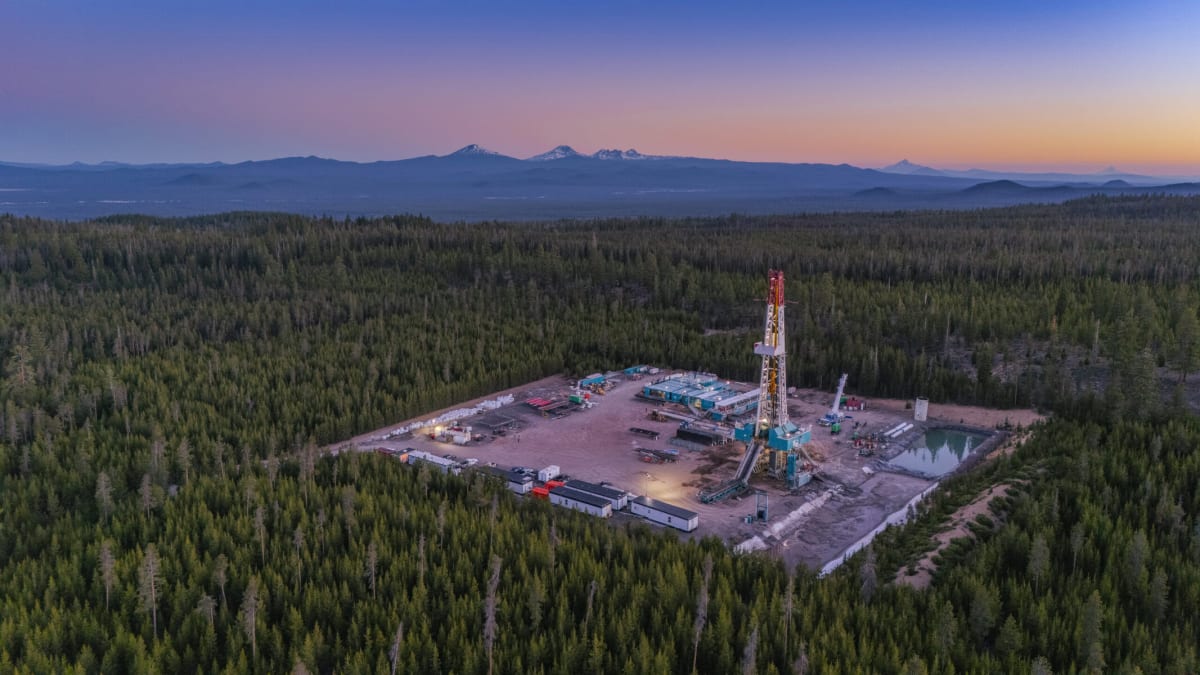
Two miles beneath a volcano in Oregon, superhot rocks are powering a clean energy revolution that could change how the world gets its electricity.
Mazama Energy is tapping into the Newberry Volcano's underground heat using cutting-edge drilling technology that works in temperatures up to 400 degrees Celsius. When water hits these superhot rocks, it transforms into a supercritical state (part liquid, part gas) that generates five to 10 times more energy than conventional geothermal plants.
The breakthrough came from adapting drilling techniques first developed by the oil and gas industry. New cooling systems let drills withstand extreme heat, while horizontal drilling allows multiple wells from a single site. Together, these advances slash costs and boost efficiency dramatically.
The numbers tell an impressive story. This new method uses 75 percent less water and requires 80 percent fewer wells than traditional geothermal plants. That means less environmental impact and lower costs for consumers.
"We are calling this era the geothermal renaissance," says Pete Lumley, director of communications at Mazama Energy. The company chose Oregon because superhot rock sits unusually close to the surface there, making it easier and cheaper to access.
Unlike solar panels and wind turbines, geothermal works around the clock regardless of weather. It doesn't need the sun to shine or the wind to blow, making it a reliable backbone for clean energy grids.
The potential is staggering. The International Energy Agency estimates geothermal could reach 800 gigawatts of capacity by 2050, producing enough electricity to match the combined demand of the U.S. and India today.
The U.S. currently leads the world with nearly a quarter of global geothermal output. But this technology could work anywhere superhot rock exists underground, which turns out to be almost everywhere if you drill deep enough.
The Ripple Effect
Roland Horne, a professor at Stanford's School of Sustainability, calls horizontal drilling a "game changer" that has enabled "enormous" reductions in cost. These savings make geothermal competitive with fossil fuels for the first time.
Hannes Hofmann, a geothermal specialist at Technical University Berlin, agrees the U.S. is leading a frontier technology. "They can drill faster than we thought possible, and superhot rock gives a much higher output, making it much more affordable," he explains.
The technology could transform energy access in developing nations where electricity grids remain unreliable. Communities near volcanic regions or areas with high underground heat could generate their own clean, constant power without depending on imported fuel.
Geothermal also creates local jobs that can't be outsourced. Drilling, maintenance, and plant operations require skilled workers who live near the facilities. Former oil and gas workers are finding their expertise perfectly suited to this growing industry.
As the world races to cut carbon emissions, this superhot solution proves that some of our best answers lie not in the sky above, but in the ground beneath our feet.
#
More Images

Based on reporting by Reasons to be Cheerful
This story was written by BrightWire based on verified news reports.
Spread the positivity!
Share this good news with someone who needs it