Canada's Building Trades Launches 41-Point Indigenous Plan
Canada's Building Trades Unions just released a groundbreaking four-year plan with 41 specific commitments to help Indigenous people thrive in trades careers. The initiative includes training pathways, economic partnerships, and measurable goals to ensure real progress.
Canada's Building Trades Unions is putting words into action with a comprehensive plan to open doors for Indigenous workers in the construction industry.
The organization unveiled its Indigenous Reconciliation Action Plan in May 2026, featuring 41 concrete commitments with timelines and accountability measures. It's not just talk. Over 1,800 people have already completed Indigenous awareness training courses developed by the group.
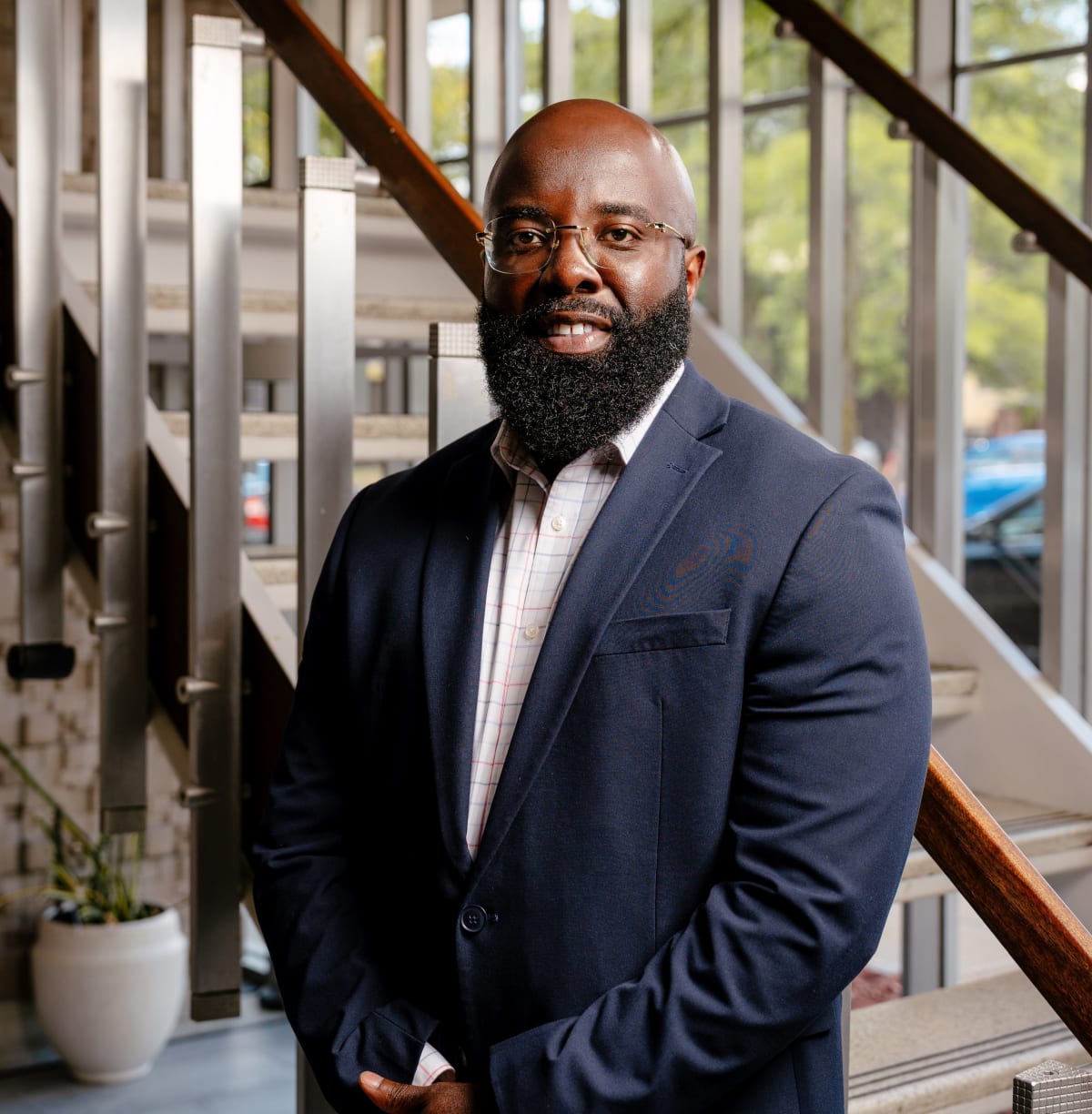
Lindsay Amundsen, who led the initiative as director of workforce development, says success comes down to one clear goal. "We have more Indigenous people engaged in our organizations and thriving in their careers," she explained.
The plan builds on nearly a decade of groundwork that started in 2017 when the organization adopted recommendations from Canada's Truth and Reconciliation Commission. Since then, they've created training programs, formed partnerships with the First Nations Power Authority, and consulted extensively with Indigenous communities and businesses.
The new plan focuses on four key areas: getting more Indigenous people into trades training programs, increasing economic opportunities through procurement and major projects, improving representation throughout the industry, and ongoing learning and engagement.
One standout commitment is developing a national "Workforce Ready" curriculum specifically designed for prospective Indigenous tradespeople by 2029. By 2028, the organization aims to have resources ready to help contractors connect with Indigenous communities and businesses.
The plan emerged after the organization realized it needed better ways to measure whether its efforts were actually working. They partnered with Mokwateh, an Indigenous-owned consultancy, and conducted multiple rounds of interviews and workshops with people across the sector.
The Ripple Effect
This initiative arrives at a perfect time. With major infrastructure investments happening across Canada, the plan ensures Indigenous communities can participate as full partners rather than bystanders.
Executive Director Sean Strickland emphasized the responsibility that comes with this moment. "We have a responsibility to ensure Indigenous engagement and partnership are embedded across every jobsite and community," he said.
The organization identified gaps in how contractors connect with Indigenous businesses and is working to bridge them. They're planning to create networking opportunities and resource documents to make it easier for everyone to work together.
Amundsen acknowledges that some people in the industry feel hesitant about reconciliation efforts, worried about making mistakes. That's exactly why this formalized plan matters. It provides clear direction, shares best practices, and highlights successful local programs that others can learn from.
The plan isn't static. As a "living document," it will evolve based on ongoing consultation with the same Indigenous communities and stakeholders who helped create it. An Indigenous advisory committee will launch soon, along with a potential Indigenous relations lead position.
After years of preparation, Canada's construction industry has a roadmap for making real change happen.
More Images



Based on reporting by Google: reconciliation success
This story was written by BrightWire based on verified news reports.
Spread the positivity!
Share this good news with someone who needs it