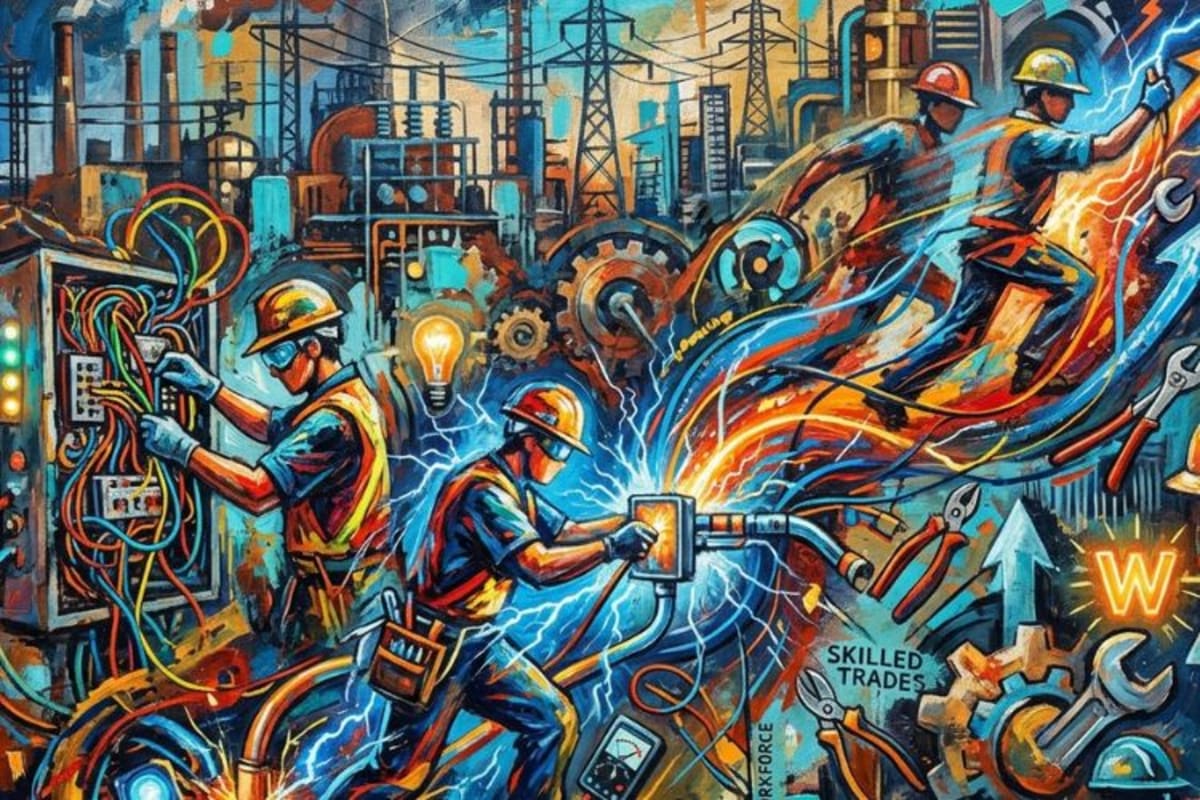
Ohio and Northeast Launch Energy Job Training Coalitions
Two new regional coalitions just launched to fill 32 million energy jobs expected over the next decade. Major utilities are teaming up with educators and community groups to connect people with careers that power our future.
America's energy sector is about to get a major workforce boost, and it's happening through partnerships that bring everyone to the table.
The Center for Energy Workforce Development just launched two new regional coalitions designed to fill a massive need. Over the next ten years, 32 million energy jobs will open up across the country. These aren't just any jobs—they're the roles that keep our lights on, our homes cool, and our grid running.
The Ohio Energy Workforce Consortium brings together heavy hitters like AEP, Duke Energy, and FirstEnergy. Meanwhile, the Northeast Energy Workforce Consortium links National Grid, New York Power Authority, Eversource, and Con Edison across New York, Massachusetts, and Connecticut.
Ohio alone employed over 332,000 energy workers in 2024, representing 6% of all jobs in the state. With billions in planned infrastructure investment and solar capacity exceeding 3,600 megawatts, the demand keeps growing.
But here's what makes these coalitions different: they're not just about filling positions. They connect utilities with high schools, community colleges, workforce programs, and labor unions to create clear pathways into energy careers.
The national organization already runs programs like Troops to Energy Jobs for veterans and Hire PowHER for women entering the field. They partner with the National Urban League and UnidosUS to create pre-apprenticeship programs that lead directly to employment.
"We focus on national workforce solutions that can support local action," explained CEWD executive director Missy Henriksen. Some states have adopted energy curriculum in schools, while others created mobile education labs to introduce students to career possibilities.
The Ripple Effect goes beyond just jobs. When people gain access to stable, well-paying careers in energy, entire communities benefit. Ohio's natural gas and oil industry alone contributed nearly $59 billion to the state's economy in 2019.
National Grid's Celeste Schneider put it perfectly: by collaborating across the industry, successful training programs can scale up to create "a robust energy workforce ecosystem that is good for the sustainability of the industry" and the people it serves.
More than 20 states now have these coordinated consortiums, each tailored to their region's specific needs. The future of energy isn't just about technology—it's about the skilled hands and bright minds that make it all work.
Based on reporting by Renewable Energy World
This story was written by BrightWire based on verified news reports.
Spread the positivity!
Share this good news with someone who needs it