Heat Pumps Outsell Gas Furnaces Despite Tax Credit Loss
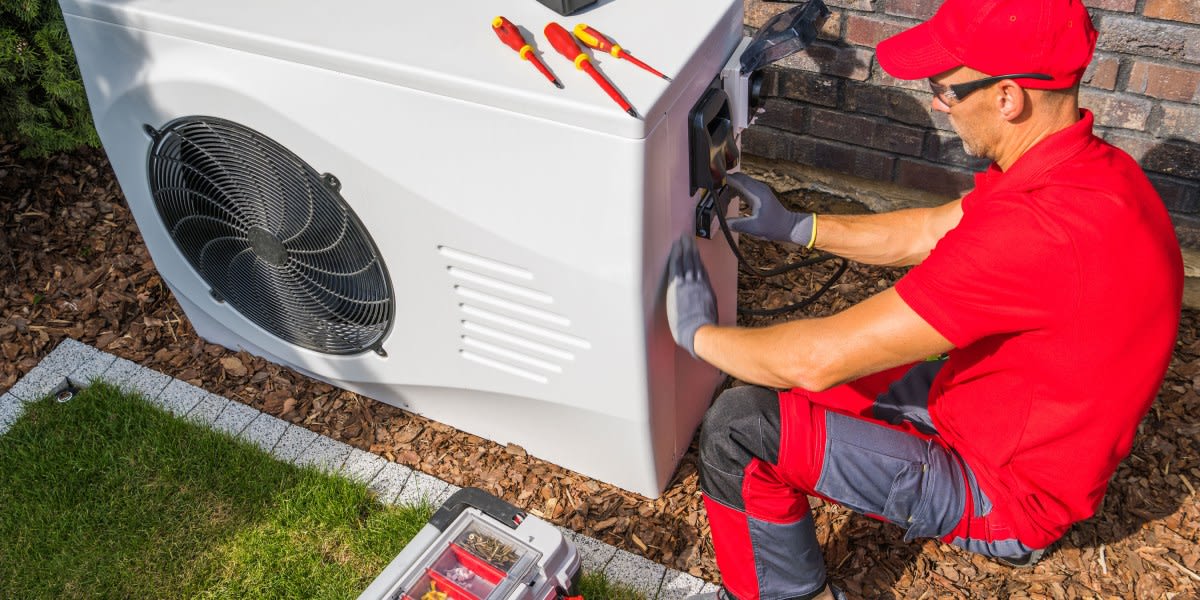
Heat pump sales are defying expectations, continuing to rise even after a major federal tax credit ended in January 2026. The climate-friendly appliances are now outselling natural gas furnaces by 32%, proving their value goes beyond government incentives.
Heat pumps are winning the battle against fossil fuel heating, and they don't need government handouts to do it.
Sales of these efficient electric appliances have doubled over the past 15 years in the US. During the first quarter of 2026, they outpaced natural gas furnaces by 32%, marking four consecutive years of heat pumps leading the heating market.
Here's what makes this remarkable: a federal tax credit worth up to $2,000 for heat pump installations expired on January 1, 2026. When similar tax credits for electric vehicles ended in 2025, sales plummeted immediately after the deadline.
But heat pumps told a different story. Instead of crashing, sales stayed flat from December to January and have gradually climbed since then, following the same seasonal pattern as previous years.
Energy economist Lucas Davis from UC Berkeley analyzed the data and found something surprising. The tax credit wasn't actually driving people's decisions to install heat pumps. "It appears that the U.S. market for heat pumps is strong enough that it does not depend on tax credits," Davis wrote.
The reason comes down to simple economics. Heat pumps use electricity to move heat from one place to another rather than burning fossil fuels. This makes them incredibly efficient and significantly cheaper to run than gas or oil furnaces once installed.
Yes, heat pumps cost more upfront than traditional furnaces. But homeowners are apparently doing the math and realizing the long-term savings make sense even without government help.
The trend extends far beyond American borders. Countries including China and Germany have seen strong movement toward heat pumps in recent years, as households around the world recognize their value.
The Ripple Effect
Every heat pump that replaces a fossil fuel furnace represents a major step toward cleaner buildings. Heating and cooling account for a huge portion of home energy use, making these appliances one of the most powerful tools for reducing carbon emissions.
The fact that adoption continues without subsidies shows the technology has reached a turning point. People aren't choosing heat pumps because the government tells them to. They're choosing them because they work better and cost less to operate.
This steady growth also signals to manufacturers that demand will remain strong, encouraging more investment in production and innovation. As more companies enter the market and technology improves, prices will likely continue falling, making heat pumps accessible to even more households.
The momentum suggests we've crossed into a new era where clean technology can compete and win on its own merits, even when policy roadblocks appear along the way.
Based on reporting by MIT Technology Review
This story was written by BrightWire based on verified news reports.
Spread the positivity!
Share this good news with someone who needs it