China Builds Massive Plant That Turns Plastic Into Jet Fuel
A Chinese company is building the world's largest facility to convert plastic waste into sustainable aviation fuel, processing up to 50,000 tons annually. The breakthrough could help solve two global problems at once: mounting plastic pollution and the aviation industry's carbon footprint.
Imagine if every plastic bottle and food wrapper could power an airplane instead of choking our oceans. That future just got a lot closer.
Chinese technology firm Niutech has signed a major contract to build an enormous facility that transforms plastic garbage into jet fuel. The plant will produce between 10,000 and 50,000 tons of sustainable aviation fuel each year, enough to power thousands of flights.
The timing couldn't be better. By 2030, the European Union will require airlines to use at least 6 percent sustainable fuel in every flight, jumping to 70 percent by 2050. Countries like Japan, Singapore, and Brazil are following suit, creating urgent demand for alternatives to petroleum-based jet fuel.
Until now, most sustainable aviation fuel has come from used cooking oil and animal fats. But those supplies are already running dry as refineries compete for every drop of leftover fryer grease.
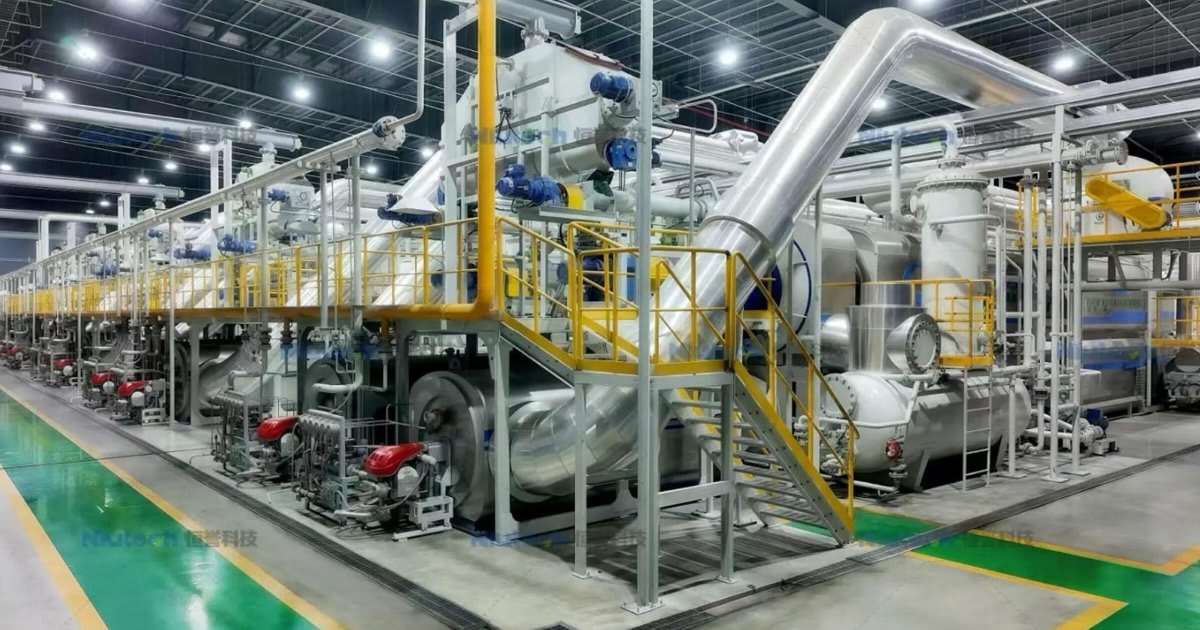
Niutech's solution uses a process called pyrolysis, which heats plastic waste to extreme temperatures without oxygen. The plastic breaks down into oil that can be refined into jet fuel. What makes this facility special is its scale and simplicity.
The entire operation happens under one roof, eliminating costly shipping between processing stages. Even better, the system accepts almost any type of plastic including polyethylene, nylon, and polypropylene without the need for washing, sorting, or drying first.
For nearly 40 years, Niutech has refined this technology from a small-scale experiment into an industrial powerhouse. This massive contract with an unnamed global energy company proves the approach works at the scale needed to make a real difference.
The Ripple Effect
This facility could become a blueprint for similar plants worldwide. As more refineries adopt this model, the aviation industry gets cleaner fuel while reducing the mountains of plastic waste that plague our planet. Airlines meet their sustainability goals, travelers can fly with less guilt, and plastic that would have sat in landfills for centuries gets a second life powering human innovation.
The partnership also signals growing confidence that plastic-to-fuel conversion can move beyond eco-startups into mainstream energy production. When major energy companies invest in facilities this large, they're betting on long-term viability.
China's move could spark healthy competition as other countries race to build similar facilities and claim their share of the growing sustainable fuel market.
One facility turning trash into jet fuel might seem like a small step, but it's exactly the kind of practical innovation the world needs right now.
More Images
Based on reporting by Futurism
This story was written by BrightWire based on verified news reports.
Spread the positivity!
Share this good news with someone who needs it