Google Backs First Zinc Battery Project in West Virginia
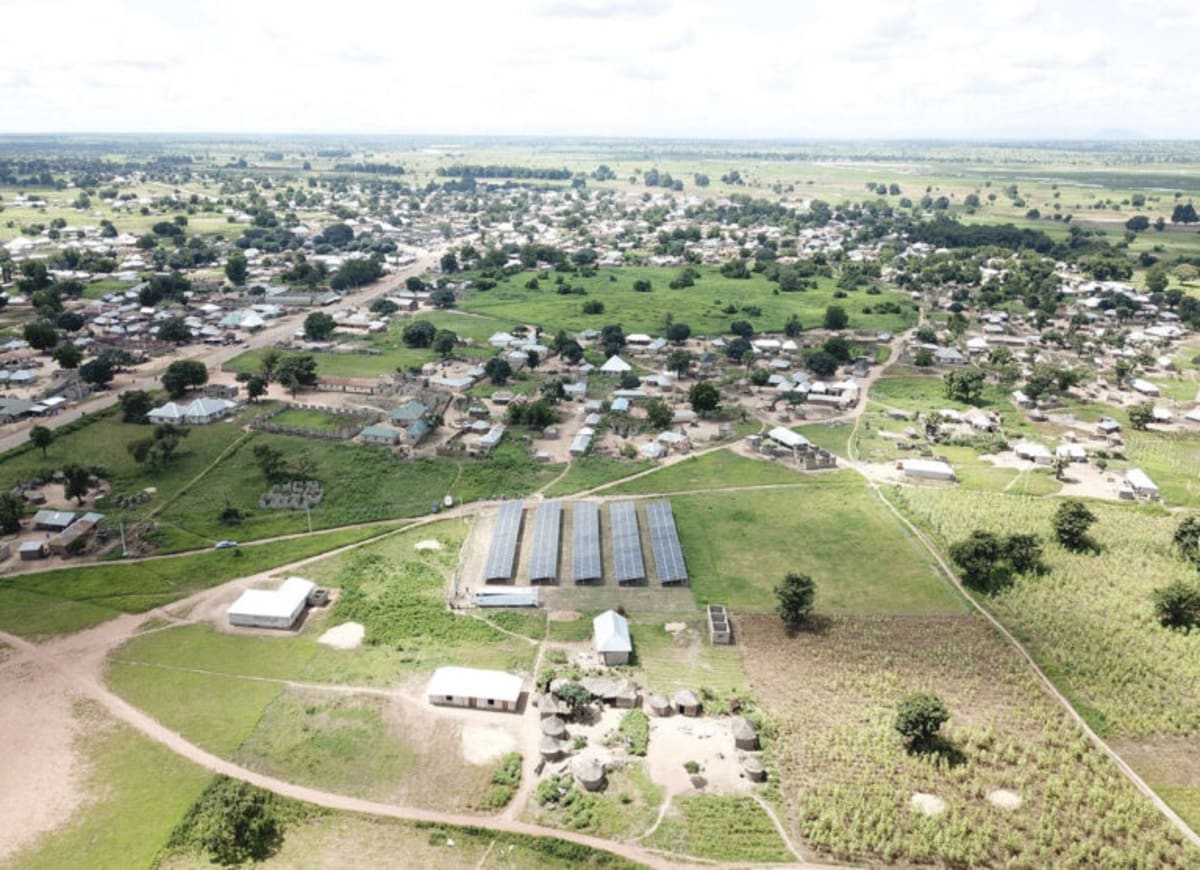
A groundbreaking clean energy project in West Virginia is combining solar power with two types of batteries to deliver electricity around the clock. Google is partnering with energy companies to deploy the first utility-scale zinc-hybrid batteries ever used on the power grid.
West Virginia is about to become home to a clean energy breakthrough that could change how we power our lives.
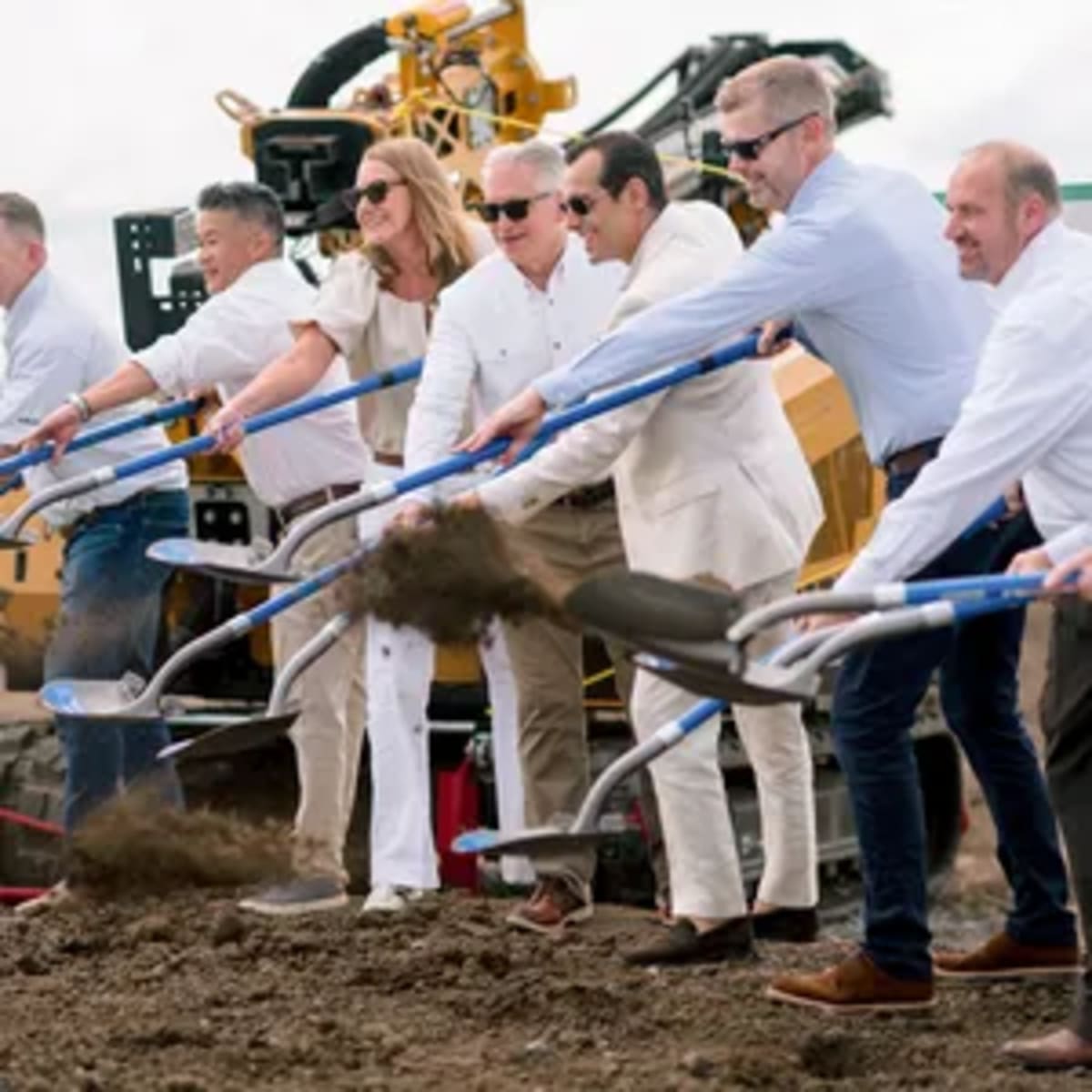
Google just announced a partnership with MN8 Energy and Eos Energy Enterprises to build a first-of-its-kind energy storage project. The facility will combine solar panels with both traditional lithium-ion batteries and innovative zinc-hybrid batteries to provide constant clean power to the grid.
Here's what makes this special. Solar panels only generate electricity when the sun shines, which has always been the challenge with renewable energy. But by pairing solar with two different battery technologies, this project can store energy during sunny hours and release it whenever needed, even at night or during cloudy days.
The zinc-hybrid batteries are the real game-changer. Manufactured by Eos in Pennsylvania, these batteries have never been deployed at utility scale before. They're designed for "long-duration" storage, meaning they can hold energy for extended periods, unlike traditional batteries that discharge quickly.
The project will help power local digital infrastructure, including a planned Google facility in the state. But it's not just about keeping data centers running. The entire PJM grid, which serves 65 million people across 13 states, will benefit from this more reliable clean energy source.
The Ripple Effect
This collaboration creates a blueprint for how established and emerging technologies can work together. By proving that zinc-hybrid batteries can perform at scale, the project opens doors for similar deployments across the country.
It's also boosting American manufacturing. The zinc batteries come from Pennsylvania, creating jobs and reducing dependence on overseas supply chains for clean energy components.
West Virginia, a state long associated with coal mining, is now at the forefront of the clean energy transition. The project demonstrates that the shift to renewable power doesn't mean leaving energy-rich regions behind. Instead, it offers new opportunities for states with strong energy traditions.
Other companies and utilities can now see a working model of multi-technology energy storage. When solar plus batteries can deliver power as reliably as fossil fuel plants, the business case for clean energy gets even stronger.
The future of clean energy looks brighter when innovation meets collaboration.
More Images

Based on reporting by Google News - Clean Energy
This story was written by BrightWire based on verified news reports.
Spread the positivity!
Share this good news with someone who needs it