Solar Mini-Grids Could Power 21 Million in West Africa
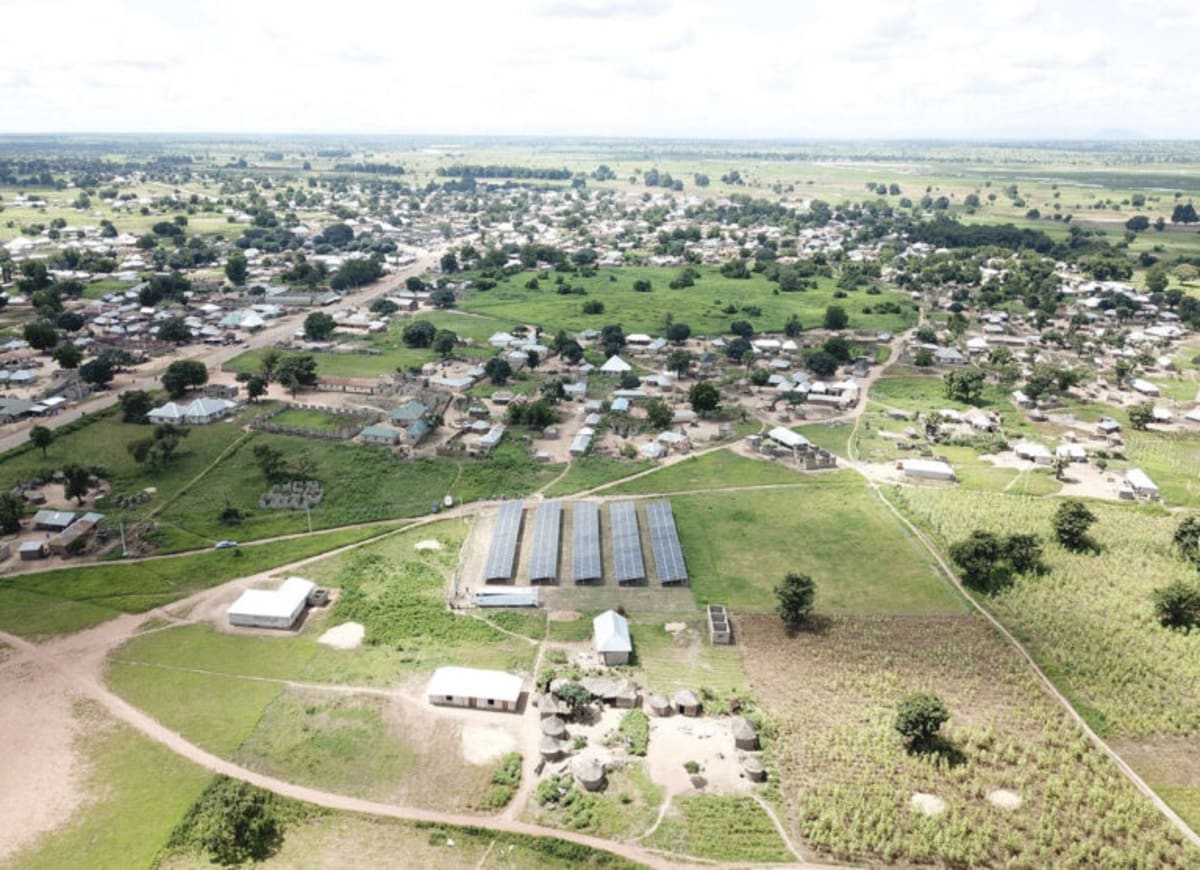
A new plan shows how solar-powered mini-grids with battery storage could bring electricity to 21 million people across four West African nations. The technology costs less than diesel and could transform communities that have never had reliable power.
Millions of people in West Africa could soon flip on their first light switch, thanks to a breakthrough plan for solar-powered mini-grids across Burkina Faso, Mali, Nigeria, and Senegal.
The International Renewable Energy Agency just released a roadmap showing how battery-powered solar grids could reach 42,700 settlements currently living without electricity. That's 21 million people who could access affordable power in the near term alone.
Nigeria leads the charge with plans for 400 megawatts of solar capacity, followed by Burkina Faso at 92 megawatts, Mali at 56 megawatts, and Senegal at 20 megawatts. To put that in perspective, all of Africa's solar mini-grids combined only produced 149 megawatts last year.
The report found that solar works best for 98% of potential mini-grid locations, leaving hydropower and wind far behind. These systems pair solar panels with battery storage, creating reliable electricity even after the sun sets.
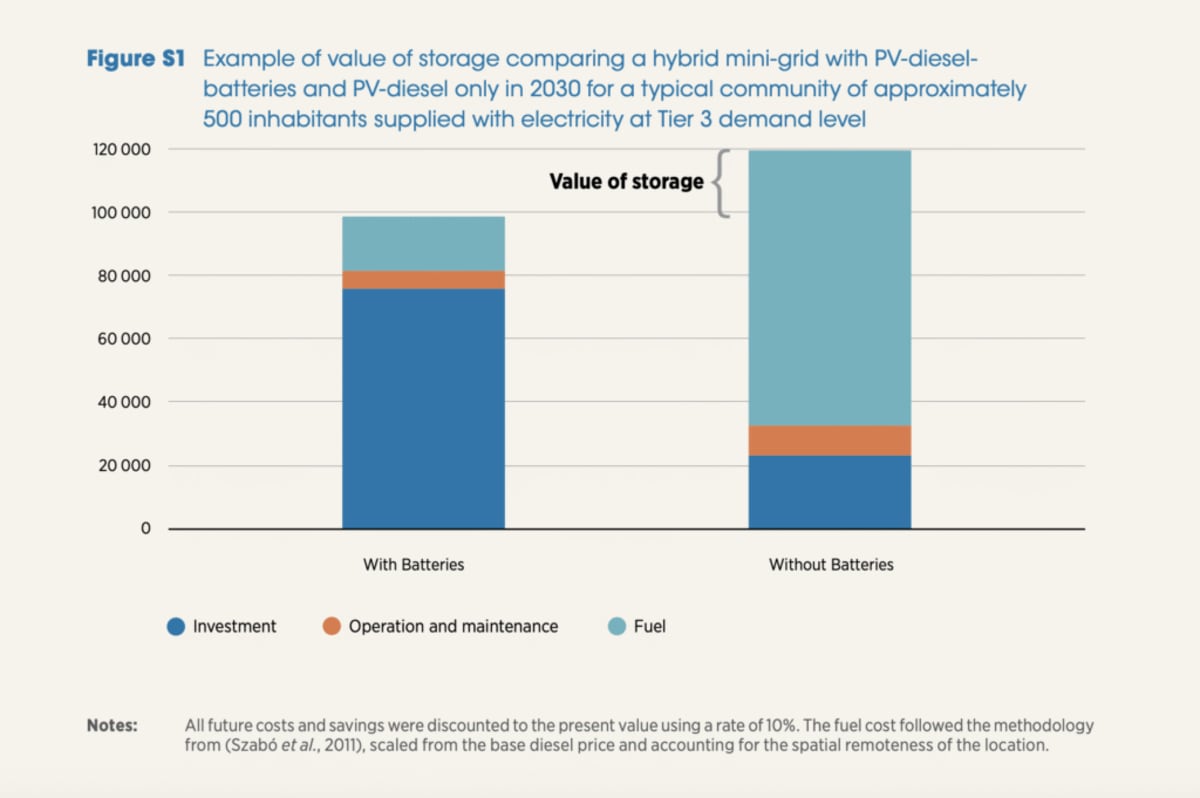
Here's where it gets exciting: mini-grids with batteries actually save money compared to diesel generators. For a typical village of 500 people, batteries provide about $20,000 in lifetime savings despite higher upfront costs. The secret is eliminating expensive diesel fuel that has to be trucked in from coastal ports.
In restricted scenarios where traditional power grids can't expand, mini-grids could serve up to 110 million people across the four countries. The analysis identified nearly 400,000 settlements that could benefit from this technology.
Making this vision real by 2030 would require about 2.25 gigawatt-hours of battery storage. That equals roughly 815,000 battery units using today's lithium iron phosphate technology.
The Ripple Effect
This isn't just about turning on lights. Reliable electricity means children can study after dark, health clinics can refrigerate medicines, and small businesses can operate beyond daylight hours. Communities that never had consistent power could leapfrog directly to clean energy, skipping the fossil fuel phase entirely.
The timing couldn't be better, with diesel prices swinging wildly and climate concerns mounting. Battery storage offers energy security while cutting costs and carbon emissions at the same time.
The report urges governments to integrate these solutions into national plans, develop local technical skills, and create policies that encourage solar mini-grid development. Some countries could even start manufacturing components locally, creating jobs while building energy independence.
Twenty-one million people are just the beginning of what's possible when clean technology meets smart planning.
More Images


Based on reporting by PV Magazine
This story was written by BrightWire based on verified news reports.
Spread the positivity!
Share this good news with someone who needs it