NYC's Carbon Pricing Program Cuts Building Emissions 31%
New York City's building carbon pricing program, launched in 2024, is now the world's largest and has already sparked 16 similar programs across America. These programs charge building owners up to $268 per ton of excess emissions, driving real progress toward cleaner cities.
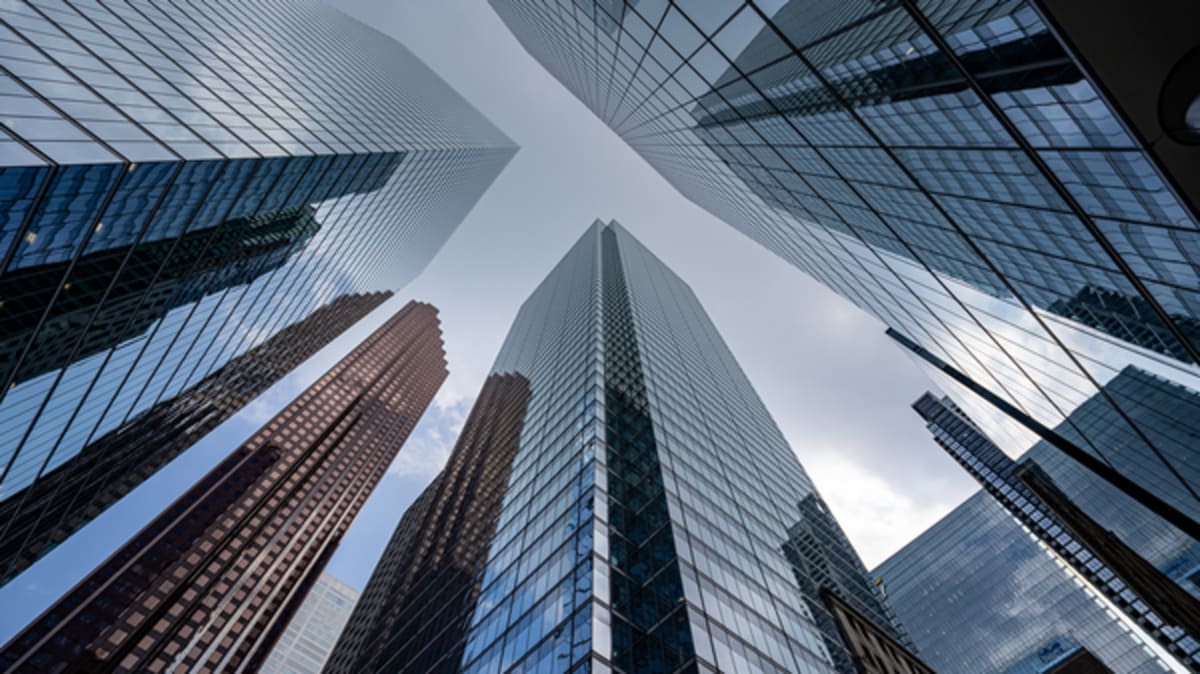
Over 60,000 buildings in New York City are now part of the world's largest carbon pricing program, and it's working better than expected.
Local Law 97, which launched in 2024, charges building owners serious money if their properties emit too much carbon. The penalty? Up to $268 for every ton of CO2 they emit above their target.
This isn't just a New York experiment. Inspired by Tokyo's wildly successful 16-year-old program that cut building emissions by 31 percent, cities across America are jumping on board.
Sixteen similar programs now operate across the United States, from Boston to Colorado. Each one targets the largest buildings in their cities because that's where the emissions really stack up.
Buildings might not seem like climate villains, but their construction, heating, cooling, and energy use account for 37 percent of global emissions. That's more than all the cars on the road.
The programs work by setting emissions targets that get stricter over time. Boston, for example, sets different goals for offices, hospitals, and apartments, then tightens them every five years until buildings hit net zero by 2050.
Building owners aren't left without options. They can make early improvements and bank credits for later, much like a climate savings account. Universities like Harvard and MIT can balance emissions across their entire campuses, letting efficient buildings cover for older ones while upgrades happen.
The Ripple Effect
Tokyo proved this approach works at massive scale. Since 2010, their program has exceeded every emissions reduction target, pushing building owners to invest in energy efficient lighting, better insulation, and cleaner heating systems.
American cities watched and learned. Cambridge and Boston designed their programs to create what experts call "shadow prices" on carbon, essentially making pollution expensive enough that clean upgrades become the smart financial choice.
The penalties are intentionally high because decarbonizing old buildings costs real money. But that price signal is sparking innovation in building technology, creating jobs in energy retrofitting, and proving that cities can tackle climate change without waiting for federal action.
Maryland, Washington DC, and cities across the country are now rolling out their own versions. Each one adds thousands more buildings to the fight against climate change, turning the places where we live and work into part of the solution.
What started as one ambitious city law is becoming a nationwide movement, one building at a time.
More Images




Based on reporting by Google News - Emissions Reduction
This story was written by BrightWire based on verified news reports.
Spread the positivity!
Share this good news with someone who needs it