Smart Water Storage Turns Floods Into Drought Relief
Scientists are solving droughts and floods at once by capturing storm water and storing it underground. Cities from Munich to California are already using these systems to protect precious groundwater.
Imagine using the same water twice: once to prevent floods, and again to survive droughts. That's exactly what's happening in places facing both extremes.
Groundwater levels are dropping worldwide as we pump out water three times faster than we did 50 years ago. Climate change is making droughts more common, and paved surfaces prevent rain from soaking into the soil naturally.
Scientists at the Technical University of Munich developed a system that captures heavy rainfall before it causes flooding. The water gets cleaned, then flows through pipes into wells that channel it 30 meters deep into the ground, where it becomes accessible drinking water.
"Our idea was to combine flood protection with drought prevention," says hydrogeologist Lea Augustin. The pilot project sits in a hop-growing region north of Munich where both problems existed side by side.
Windhoek, Namibia's capital, has been refilling its groundwater since 2002 using a similar approach. The city treats wastewater to drinking standards, then stores it underground where far less evaporates compared to open reservoirs.
California is going big with this solution. In 2023 alone, the drought-stricken state stored over 5 billion cubic meters of water in underground aquifers. State water officials call aquifer recharge a key strategy for handling climate extremes.
Some places are taking a simpler approach by flooding agricultural fields when heavy rains hit. The water soaks into the ground instead of causing damage, and farmers can use the land again once it drains. With farmland covering 40% of Earth's land area, this method has huge potential.
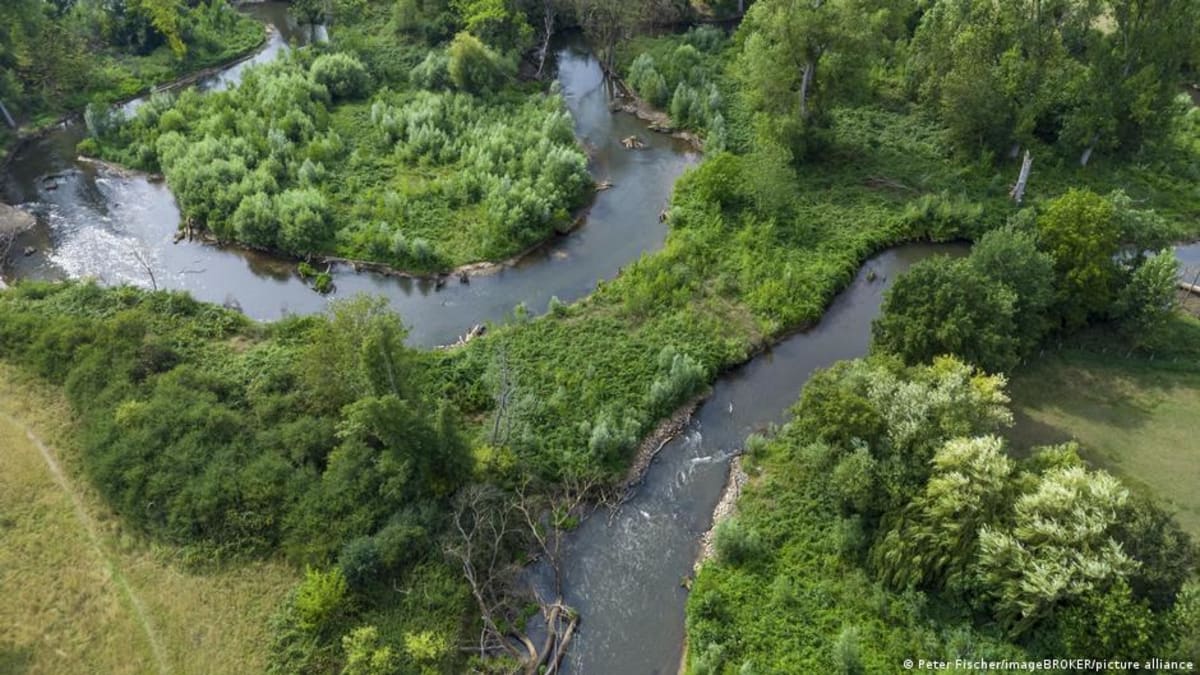
Rivers are joining the effort too. When restored to their natural state, rivers expand during floods and create shallow pools where water can slowly seep underground. Nature's own microorganisms even filter the water as it percolates down.
The Ripple Effect
These groundwater storage projects are changing how communities think about water. Instead of fighting floods and droughts separately, they're treating them as two sides of the same coin.
More than 2 billion people currently depend on overused groundwater reserves. These new storage methods offer hope for protecting water supplies while reducing flood damage at the same time.
From high-tech infiltration wells to simple flooded fields, communities worldwide are discovering that the best place to save water for a dry day is right beneath their feet.
Based on reporting by DW News
This story was written by BrightWire based on verified news reports.
Spread the positivity!
Share this good news with someone who needs it