New Framework Offers Path to Reverse Biodiversity Loss
Scientists say tracking how ecosystems actually work, not just counting species, could finally help us stop and reverse nature loss by 2030. The breakthrough approach is already guiding conservation efforts worldwide.
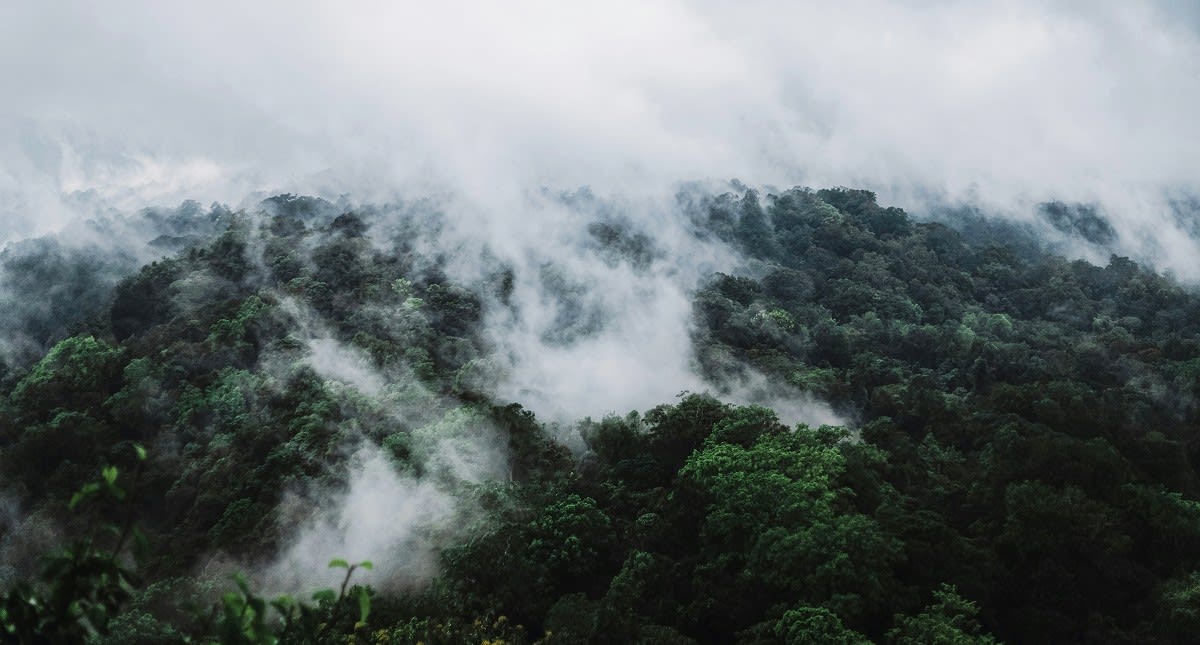
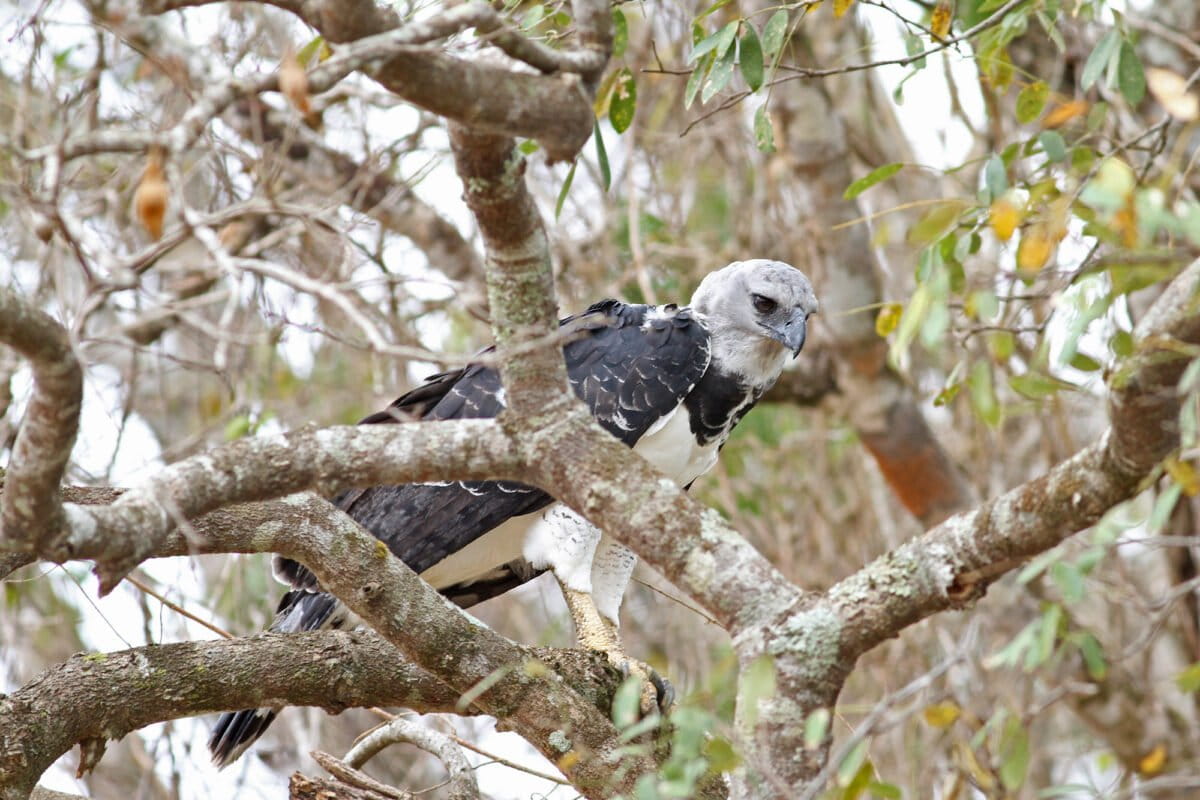
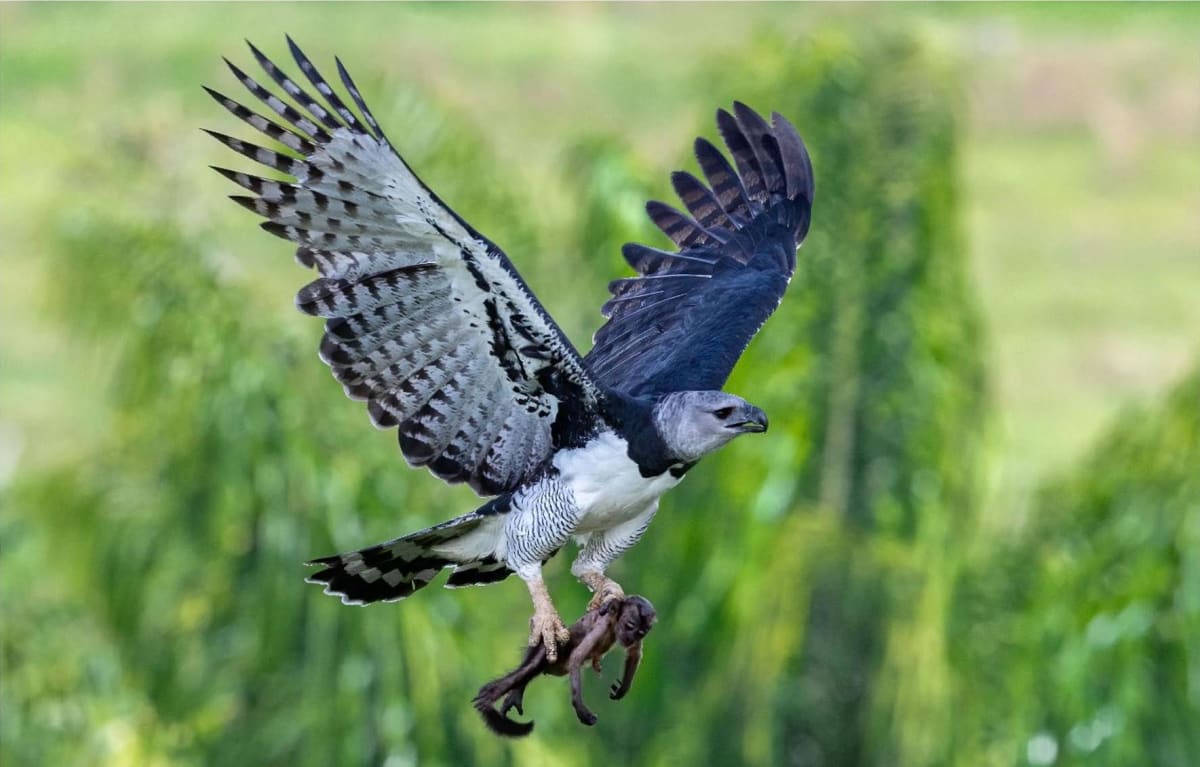
High in the Amazon canopy, harpy eagles do more than soar. They keep monkey and sloth populations in check, preventing these animals from stripping the forest bare and protecting the entire ecosystem below.
Losing these majestic birds doesn't just mean one less species. It could unravel the whole rainforest, reducing rainfall for farms across the region and threatening millions who depend on that water.
Now scientists have a new way to prevent exactly this kind of collapse. In research published in Frontiers in Science, conservation expert Harvey Locke and his team argue we need to look beyond simple headcounts of endangered animals.
"The harpy eagle is not just an amazingly cool bird," said Locke, co-founder of the Yellowstone to Yukon Conservation Initiative. "It's vital to that ecosystem."
The team promotes something called the Three Global Conditions Framework, or 3Cs. It sorts different parts of Earth by how much humans have changed them, then matches each area with conservation strategies that actually work there.
Think of it like personalized medicine for the planet. A heavily logged forest needs different help than an untouched wilderness, just as different patients need different treatments.
The approach comes as the world races toward a 2030 deadline set by the Kunming-Montreal Global Biodiversity Framework to stop nature loss. Conservation leaders gathered in Japan this July to share success stories and speed up progress.
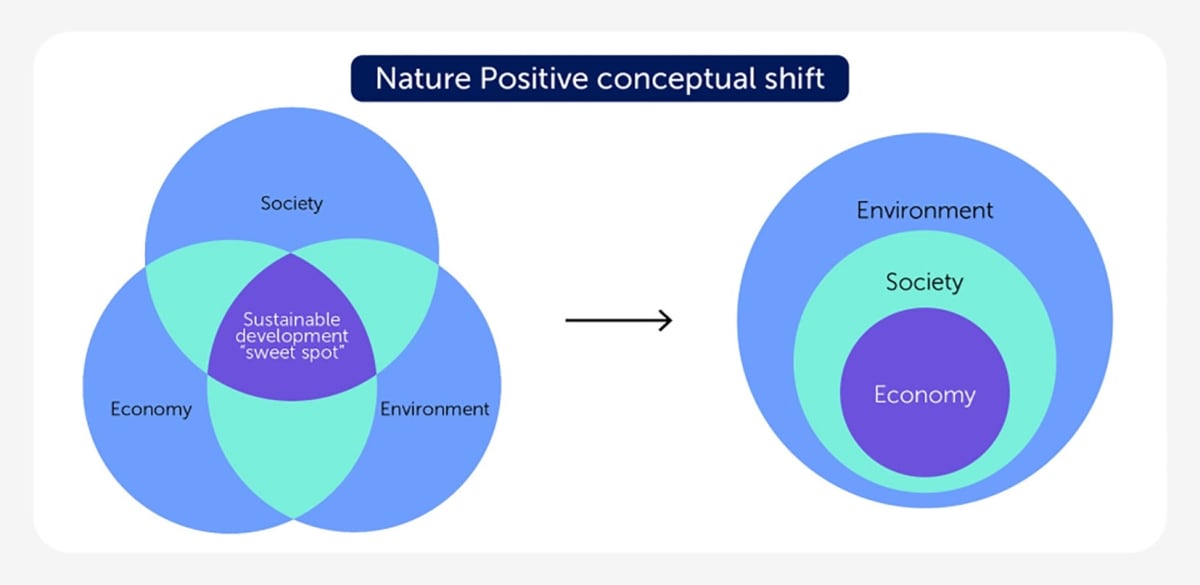
The framework recognizes something crucial: our economy and society aren't separate from nature. They exist completely within it. Every job, every meal, every breath depends on healthy ecosystems.
"We've been carrying on as though the environment is a competing interest with society and the economy," Locke explained. "The Earth is the context for everything humans do."
The Ripple Effect
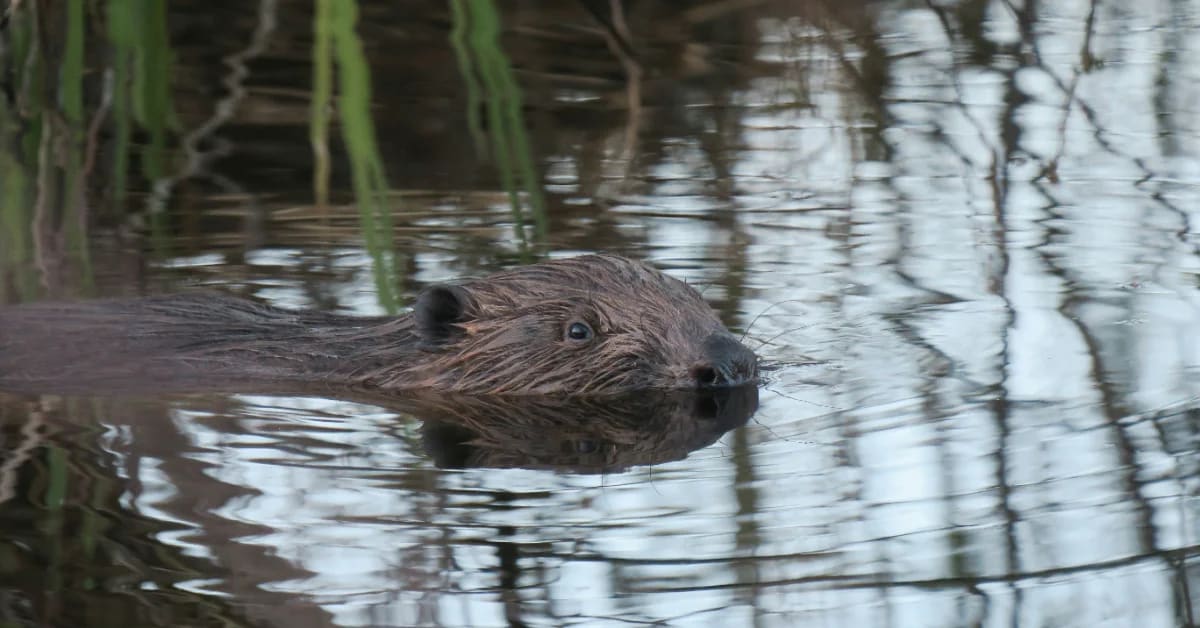
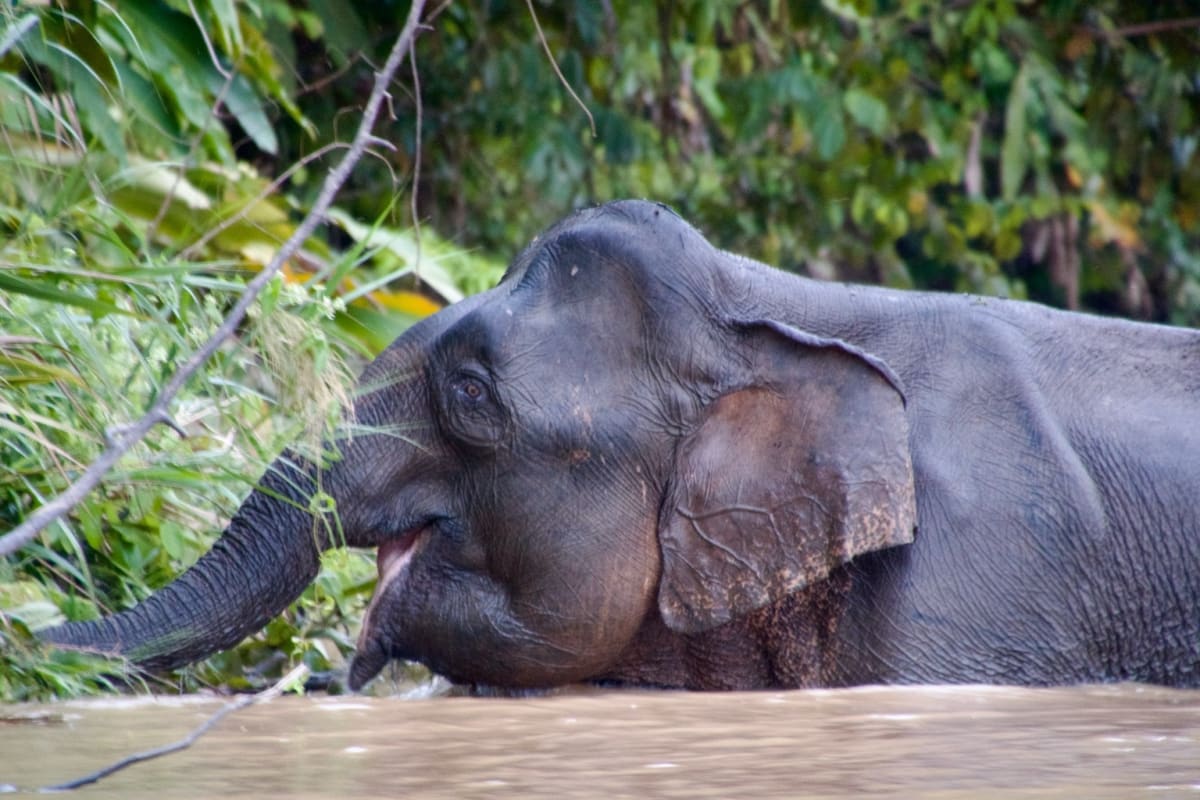
When elephants reshape forests, when beavers create wetlands, when bison maintain grasslands, they're not just surviving. They're running the systems that clean our air, purify our water, and grow our food.
Protecting these keystone species and the natural processes they drive creates benefits that spread far beyond park boundaries. Healthy forests mean steady rainfall for crops. Thriving wetlands mean flood protection for cities. Functioning ecosystems mean a livable planet for everyone.
The challenge now is turning this science into action. The Global Biodiversity Framework isn't legally binding, so real progress depends on individual countries stepping up and fairly sharing the costs of solutions.
But conservation biologist Nathalie Pettorelli from the Zoological Society of London sees reason for hope. Countries are increasingly recognizing that protecting nature isn't optional economics but essential survival.
By 2030, this new way of seeing our relationship with nature could mark the turning point when we finally stopped taking apart the systems that keep us all alive.
More Images
Based on reporting by Mongabay
This story was written by BrightWire based on verified news reports.
Spread the positivity!
Share this good news with someone who needs it