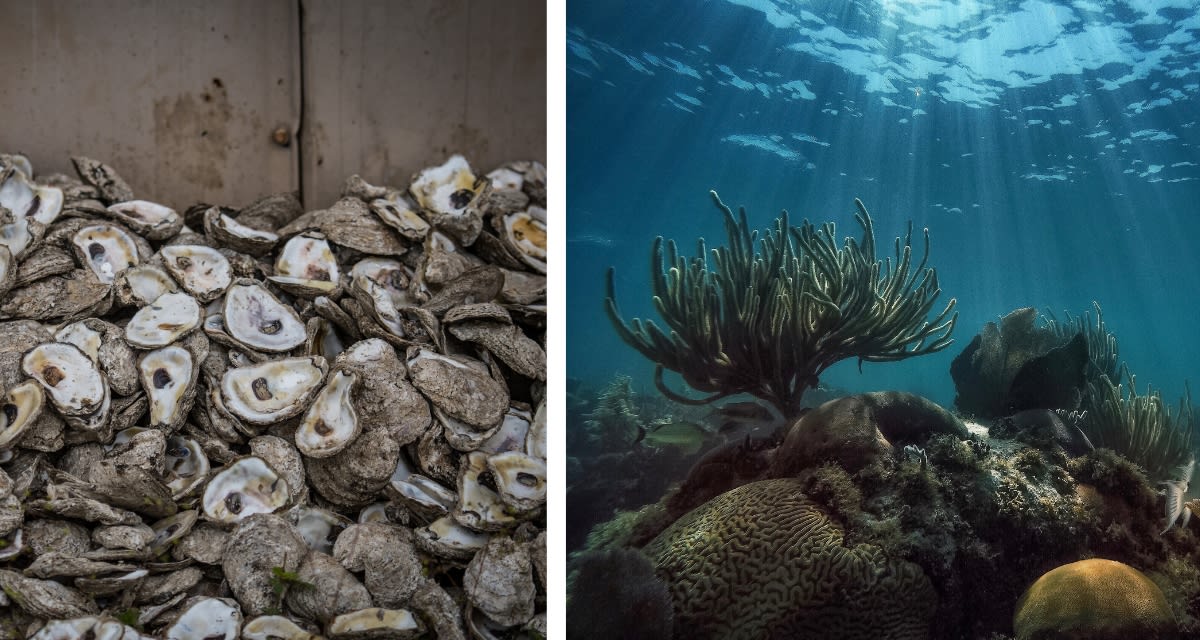
Foundation Species Shape Ecosystems Even After Death
Scientists discover that coral, oysters, and big trees continue supporting wildlife long after they die. The finding could reshape how we approach conservation and ecosystem recovery.
Find uplifting stories about heroes, innovations, and solutions
3607 results for "ecosystems"

Scientists discover that coral, oysters, and big trees continue supporting wildlife long after they die. The finding could reshape how we approach conservation and ecosystem recovery.

New South Wales is transforming how it protects endangered species with a $221 million program that focuses on healing entire ecosystems instead of saving animals one at a time. For the first time, conservation efforts will protect not just individual species, but the habitats and natural systems they depend on to survive.

The UK government has officially recognized nature loss as a national security threat, warning that ecosystem collapse could displace millions and destabilize global food systems. The acknowledgment comes as scientists confirm coral reefs have passed their first climate tipping point.

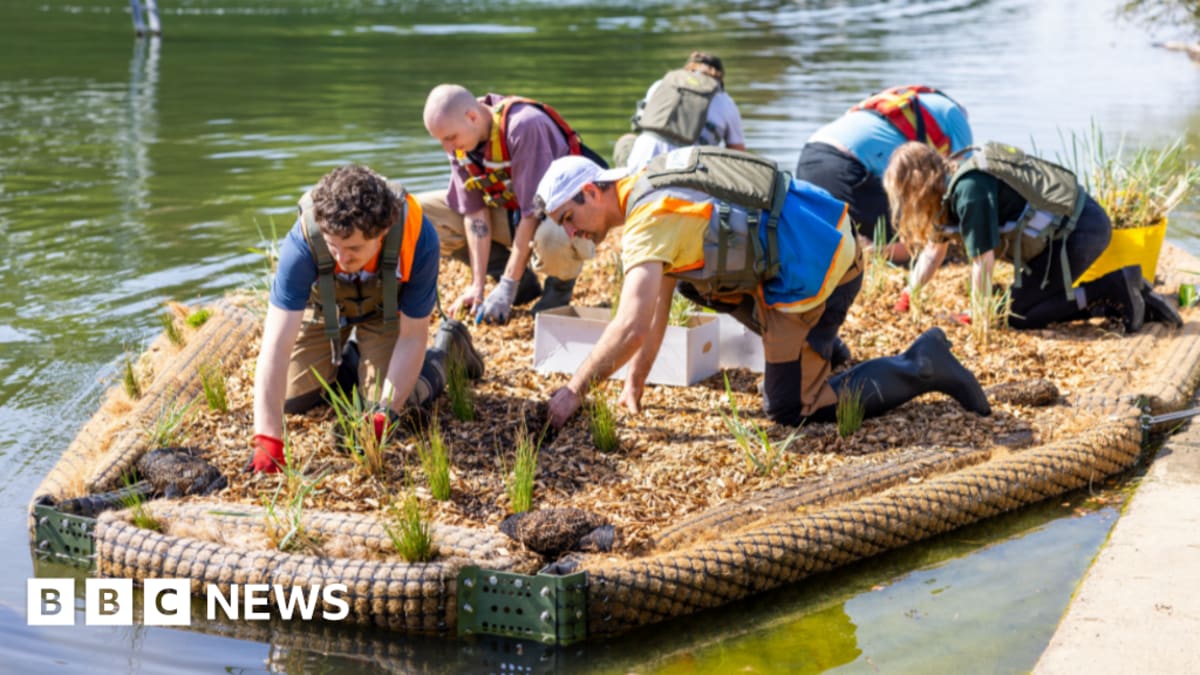
Scientists in Portsmouth are deploying innovative floating wetlands to bring back marine habitats destroyed by decades of coastal development. The project could restore critical ecosystems across the UK after 85% of coastal vegetation vanished in 50 years.
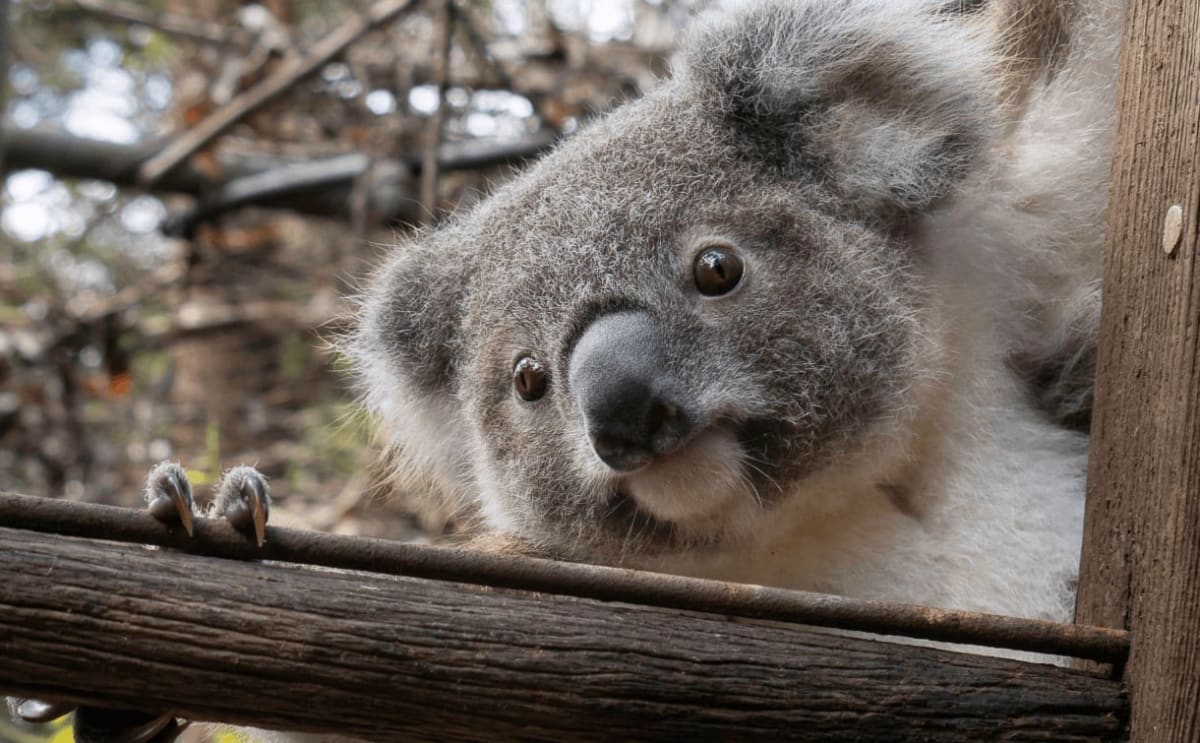
New South Wales is spending $221 million to save threatened species by protecting entire ecosystems instead of individual animals. The breakthrough approach marks the first time the Australian state will focus on preserving the forests, wetlands, and habitats that wildlife need to survive.

African ministers and global development partners met at the World Bank Spring Meetings to commit resources toward building the continent's startup ecosystem. The timbuktoo roundtable focused on coordinated investment to support African entrepreneurs from launch to scale.

Just as humans can trigger harmful environmental tipping points, we can also spark positive ones that rapidly restore damaged ecosystems. Scientists point to wolf reintroductions and sea otter recoveries as proof that small changes can unleash massive healing.

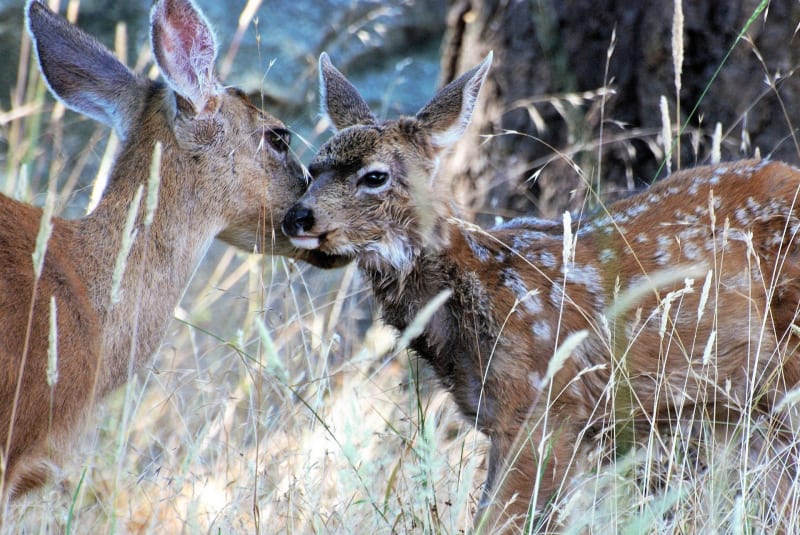
California's Catalina Island is bringing back North America's rarest tree and healing a unique ecosystem by carefully removing invasive deer introduced nearly a century ago. The five-year restoration will help endangered condors, bald eagles, and plants found nowhere else on Earth.

A 200-acre farm in California's Sacramento Valley is solving a critical environmental challenge by growing locally adapted native seeds for ecosystem restoration. Heritage Growers produces seeds that match specific regions, helping California meet its ambitious goal to conserve 30% of lands by 2030.

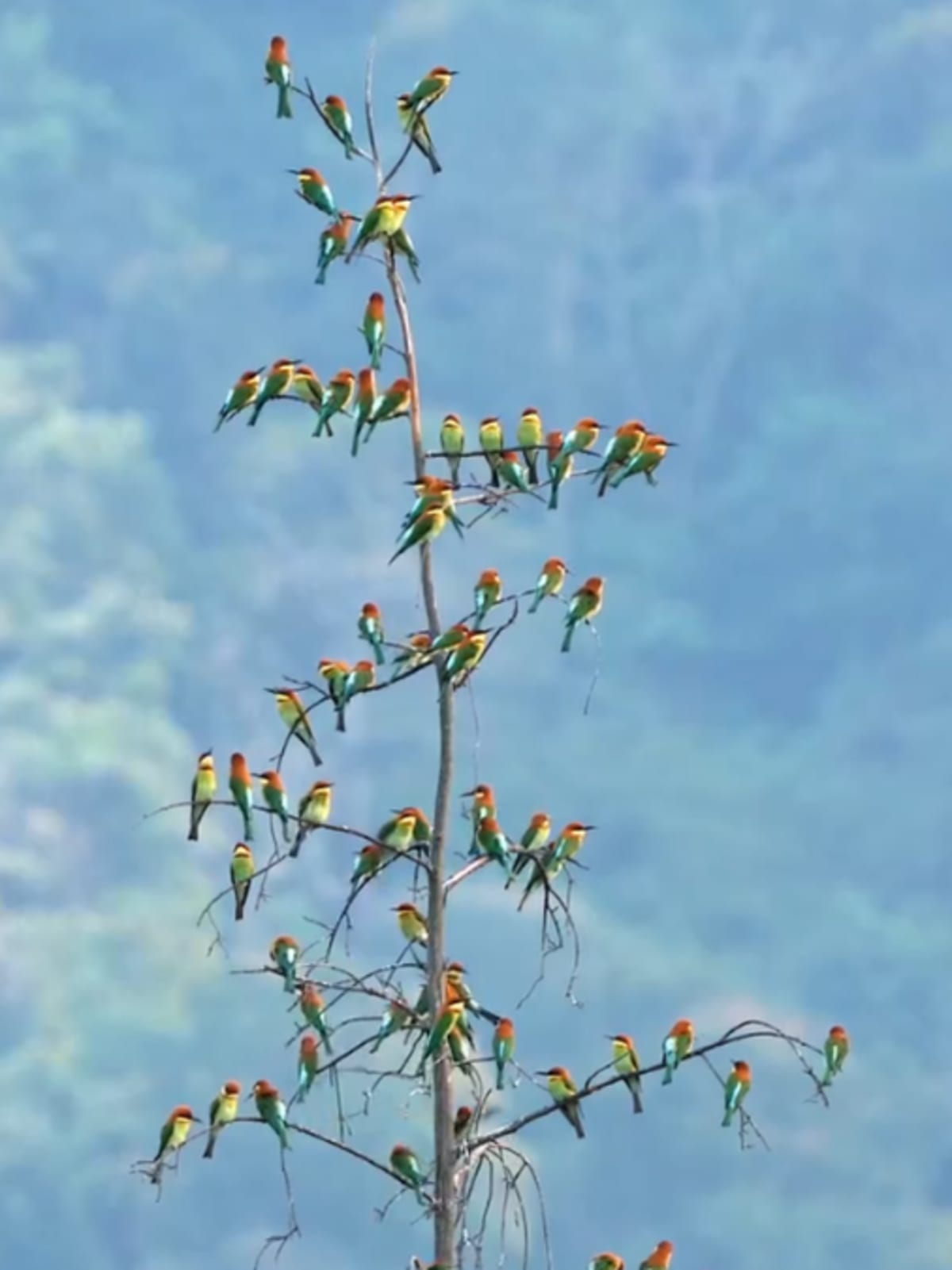
A stunning flock of 70 chestnut bee-eaters spotted flying in perfect sync at Tamil Nadu's Anamalai Tiger Reserve reveals what happens when nature is left undisturbed. The rare sighting shows a healthy, balanced ecosystem quietly thriving.

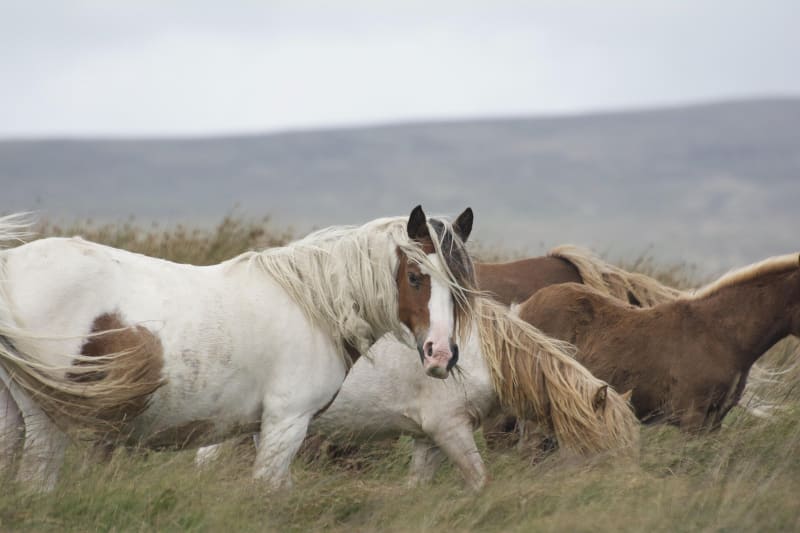
Letting feral horses and cattle roam freely creates landscapes that bounce back faster from droughts and extreme weather. A five-year study in Denmark shows these animals naturally build the diverse, resilient ecosystems Europe desperately needs as climate change intensifies.
Those dark shapes zigzagging across your yard at dusk aren't random visitors. Scientists say returning bats mean your garden is healthier than you think.

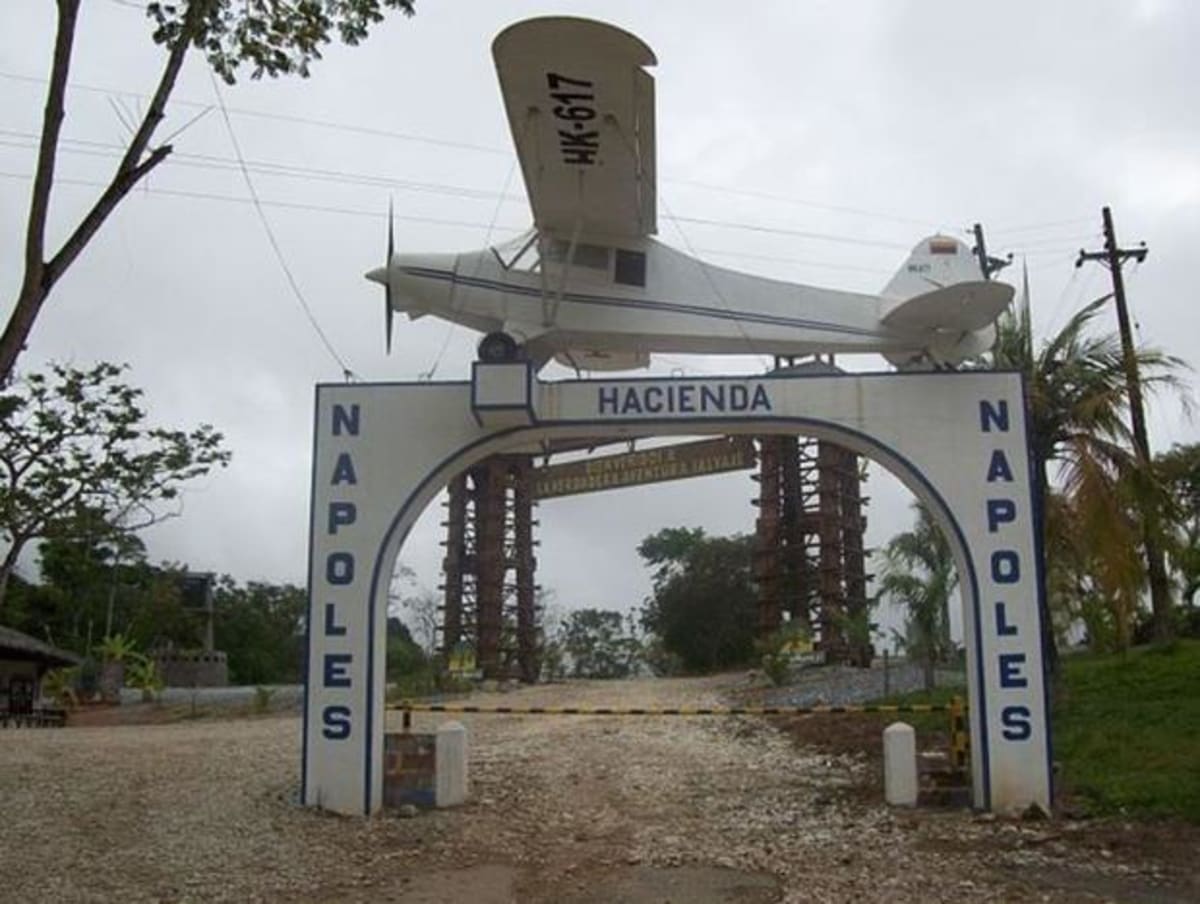
Dozens of hippos descended from Pablo Escobar's private zoo have escaped into Colombian rivers, and scientists just discovered they're restoring ecological balance lost 10,000 years ago. What started as an exotic pet problem became an accidental conservation breakthrough.

Scotland is launching one of the UK's biggest marine rewilding projects, releasing over 15 million juvenile oysters into the North Sea near Orkney. The initiative aims to rebuild lost ecosystems while capturing carbon and creating a blueprint for coastal restoration across Britain.

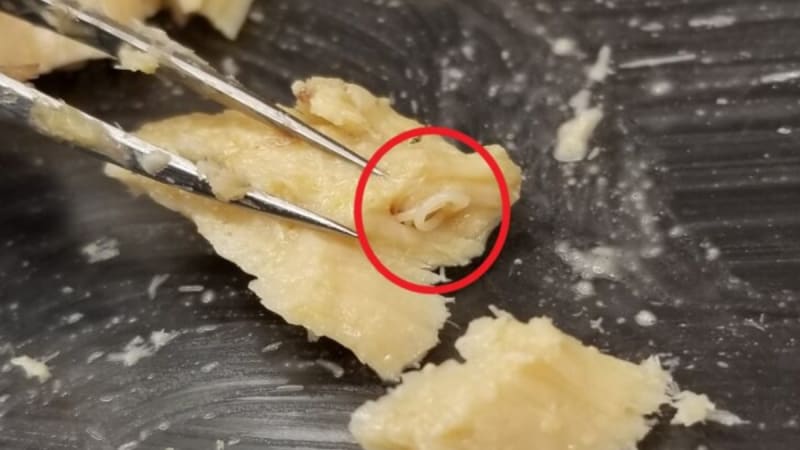
Scientists turned expired canned salmon from the 1970s into a time machine, discovering that increasing parasites actually signal thriving ocean health. What sounds gross is actually great news for Alaska's marine life.

A new online tool helps Nevada's water managers understand exactly how much groundwater desert plants need to survive. The Nevada GDE Water Needs Explorer could protect critical wetlands and meadows across one of America's driest states.

Researchers discovered the secret geometry that helps baby oysters survive, offering a blueprint to rebuild the 85% of reefs we've lost. Nature already solved the design problem—we just had to learn how to read it.

Those chubby groundhogs doing weather predictions? They're actually teaching scientists how to treat human diseases and rebuilding habitats for dozens of species. New research reveals these master hibernators hold secrets to fighting obesity, liver cancer, and even extending human lifespans.

Scientists are reviving damaged European coastlines with seagrass meadows, oyster reefs, and innovative erosion solutions that bring back marine life while helping communities adapt to climate change. From Arctic Norway to Mediterranean Portugal, the Climarest initiative is proving nature can bounce back with the right care.

Researchers have discovered the world's deepest gas hydrate mounds thriving with rare life nearly two miles beneath the Greenland Sea. The frozen methane structures host creatures previously thought to only exist near volcanic vents, rewriting what we know about life in extreme environments.
Showing 20 of 3607