Florida Dumps 500K Tons of Shells, Revives Gulf Ecosystem
Florida threw half a million tons of restaurant oyster shells into the Gulf of Mexico, and critics called it reckless dumping. Now, Gulf ecosystems are thriving at levels not seen in 25 years.
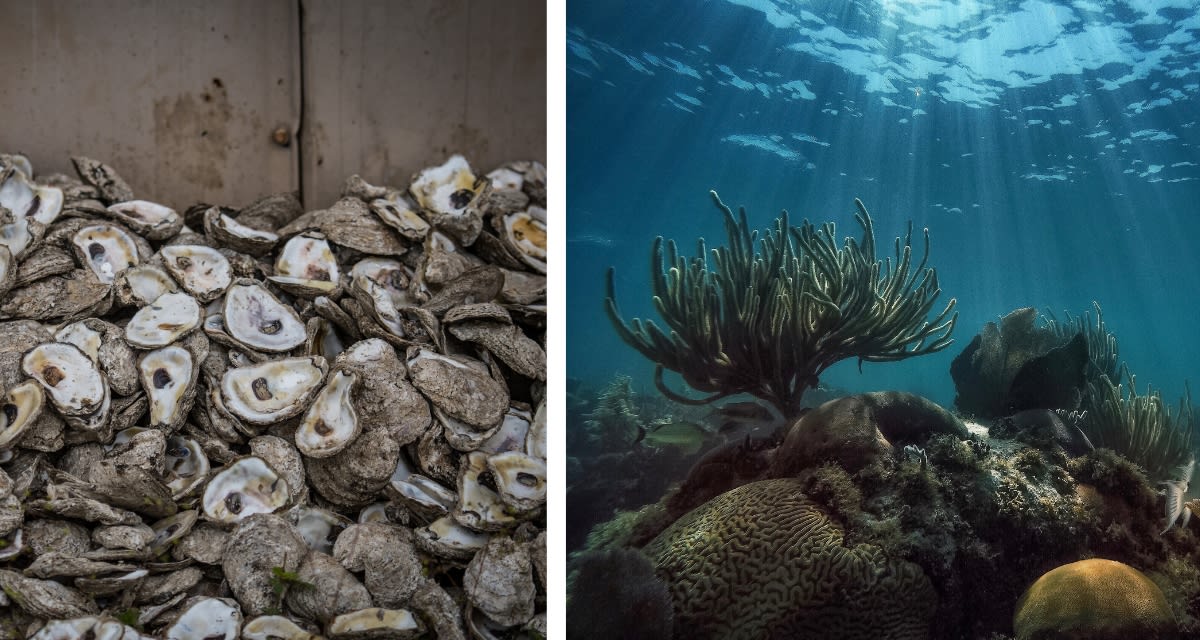
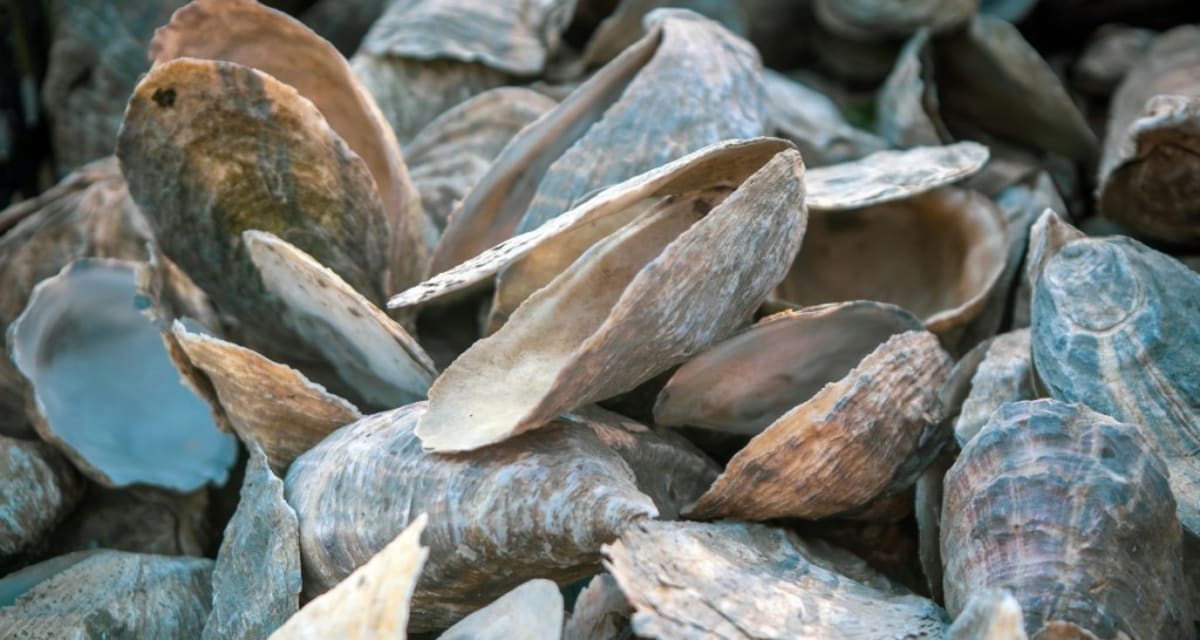
When Florida announced plans to dump restaurant scraps into the Gulf of Mexico, environmental critics had every reason to worry. Between 2007 and 2024, the state collected over 500,000 tons of oyster and clam shells from seafood restaurants and processing plants, then sank them straight into the water.
The idea sounded absurd. Rotting garbage was supposed to save struggling ocean floors?
Even the researchers running the project had doubts when nothing visible happened at first. But beneath the surface, something remarkable was taking root.
Bacteria immediately began attaching to the shells, forming biofilm. This living layer is the foundation of nearly every marine ecosystem on Earth, and scientists still can't recreate it reliably in labs.
As the shells broke down, they released calcium that created "microzones." These invisible pockets of chemically unique water became safe havens for organisms that couldn't survive in the surrounding Gulf.
The dead shells solved another critical problem. Baby oysters need hard surfaces to attach and grow, but decades of reef decline had left only soft, sandy ocean floor.
The recycled shells gave new oysters a foundation. Those living oysters then filtered the water, controlling harmful algae blooms that had choked out other marine life.
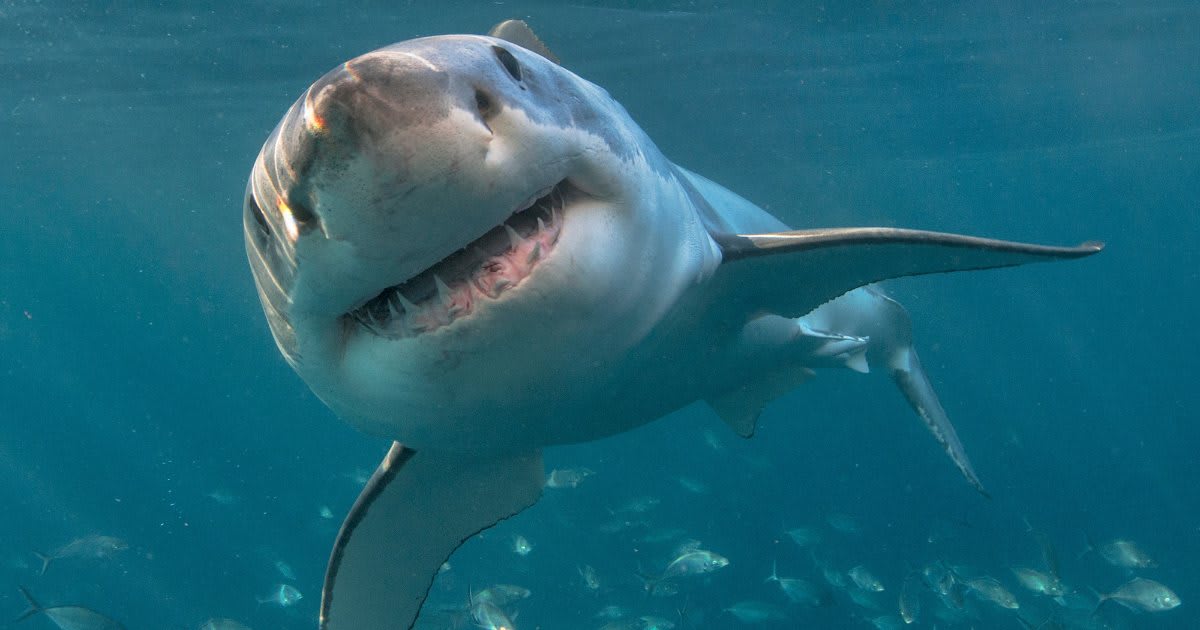
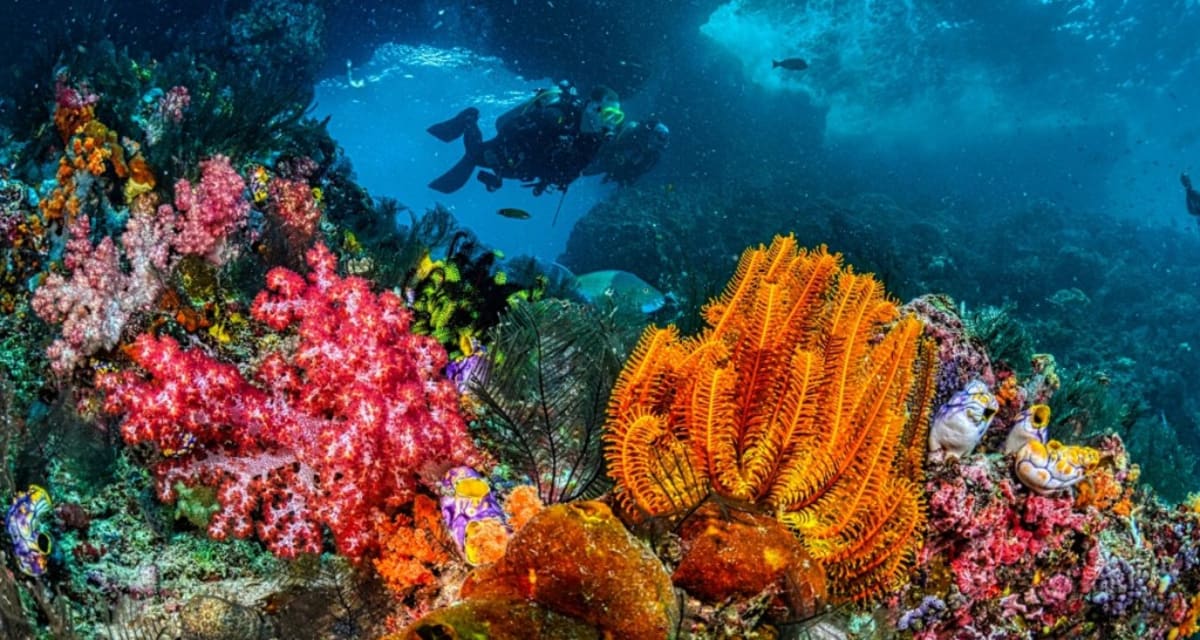
Layer by layer, the ecosystem rebuilt itself. Fish, turtle, and dolphin populations rebounded to numbers not seen in over 25 years.
The Ripple Effect
The transformation didn't just help sea creatures. Fishermen saw their catches improve and their incomes stabilize.
Seafood restaurants benefited from healthier supply chains and lower prices. Coastal tourism picked up as waters cleared and marine life returned.
The reefs even strengthened natural storm barriers, protecting shoreline communities during hurricanes. One recycling program touched nearly every aspect of coastal life.
Florida's success caught attention worldwide. Coastal engineers and marine biologists from North America, Europe, and Australia are now studying how natural materials can rapidly restore damaged ocean ecosystems.
Similar shell recycling programs have launched in Alabama, Texas, Louisiana, California, Mississippi, and the Carolinas. Each one transforms restaurant waste into environmental recovery.
There's something perfectly fitting about humans fixing a problem they created. Overharvesting and disasters like the Deepwater Horizon oil spill nearly destroyed Gulf oyster populations.
Now those same discarded shells are bringing the ocean back to life, one recycled plate at a time.
More Images

Based on reporting by Upworthy
This story was written by BrightWire based on verified news reports.
Spread the positivity!
Share this good news with someone who needs it