Wild Horses and Cattle Build Climate-Proof Ecosystems
Letting feral horses and cattle roam freely creates landscapes that bounce back faster from droughts and extreme weather. A five-year study in Denmark shows these animals naturally build the diverse, resilient ecosystems Europe desperately needs as climate change intensifies.
Wild horses and cattle might be Europe's secret weapon against climate change, and they don't need any training to do their job.
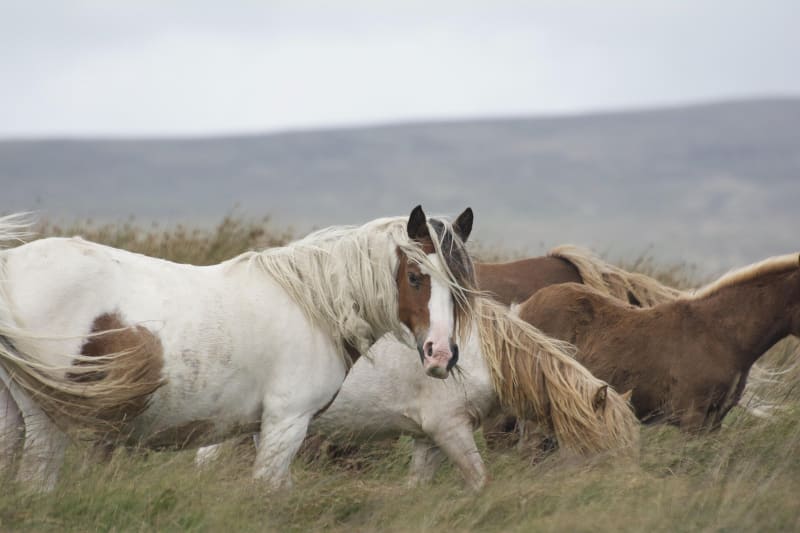
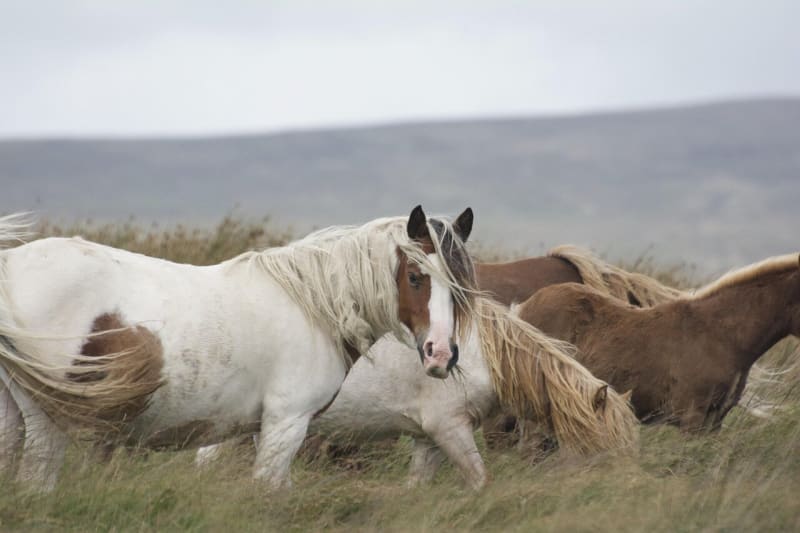
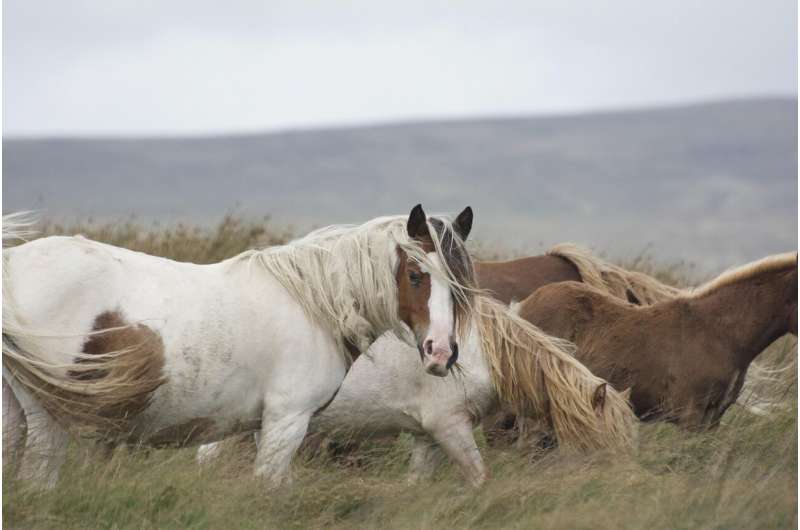
Researchers at Aarhus University spent five years tracking 70 feral horses and cattle roaming freely across Denmark's Mols Laboratory field station. The animals lived completely wild, making their own choices about where to graze, rest, and roam. What scientists discovered could transform how we protect nature across the continent.
The team combined GPS tracking data with satellite images to watch how the animals shaped the landscape from 2017 to 2022. The results, published in Ecological Applications, reveal something traditional nature management has been missing.
Climate change is causing shrubs and trees to grow faster and thicker across Europe's protected areas, choking out wildflowers and insects that need open, sunny spaces. Normally, park managers grab chainsaws and brush cutters to keep things under control. But the Danish study shows horses and cattle do this work better when given enough time and space.
The animals don't treat the landscape uniformly, and that's exactly the point. They keep some areas completely open through heavy grazing while letting other spots grow wild. This creates a natural patchwork of different habitats that supports more biodiversity than any single management approach could achieve.
Horses and cattle might look similar, but they're specialists with different preferences. During summer, they agree on the best grazing spots. But when food becomes scarce in winter, they split up and seek different areas and plant types. This variation creates even more landscape diversity.
The Bright Side
The 2018 drought that swept across Europe provided an unexpected test. The areas where animals grazed most intensively took the biggest hit during the drought. But here's the encouraging part: those same areas bounced back fastest when rain returned.
This resilience matters enormously as extreme weather becomes more common. The animals naturally create a landscape mosaic where some patches can withstand drought while others recover quickly afterward. Simple land abandonment without grazing animals can't match this dynamic resilience.
When researchers reduced the herd size by two-thirds, the entire landscape began turning uniformly green again. The positive effects disappeared, proving the animals need to maintain a strong presence to keep building resilience.
The study uncovered one crucial warning for future rewilding projects. A wooden shelter placed in the area acted like a magnet, especially for horses. The animals spent far more time near this human-made structure than their natural behavior would suggest.
This insight matters for anyone planning similar projects. Where you place a shelter or water trough can accidentally control where animals spend their time, overriding their natural preferences and the landscape benefits that come with them. Future projects can use this knowledge to avoid unintentionally controlling nature while trying to free it.
As climate extremes intensify across Europe, these roaming herds offer hope that nature can adapt and thrive when given the right tools.
More Images

Based on reporting by Phys.org
This story was written by BrightWire based on verified news reports.
Spread the positivity!
Share this good news with someone who needs it