Japan Forests Turn Carbon Credits Into Conservation Win
Struggling foresters in Japan are transforming abandoned woodlands into thriving ecosystems while earning income through carbon credits. The innovative project proves environmental restoration and economic revival can go hand in hand.
Forests planted decades ago across Japan are dying from neglect, but one community found a way to save them while fighting climate change.
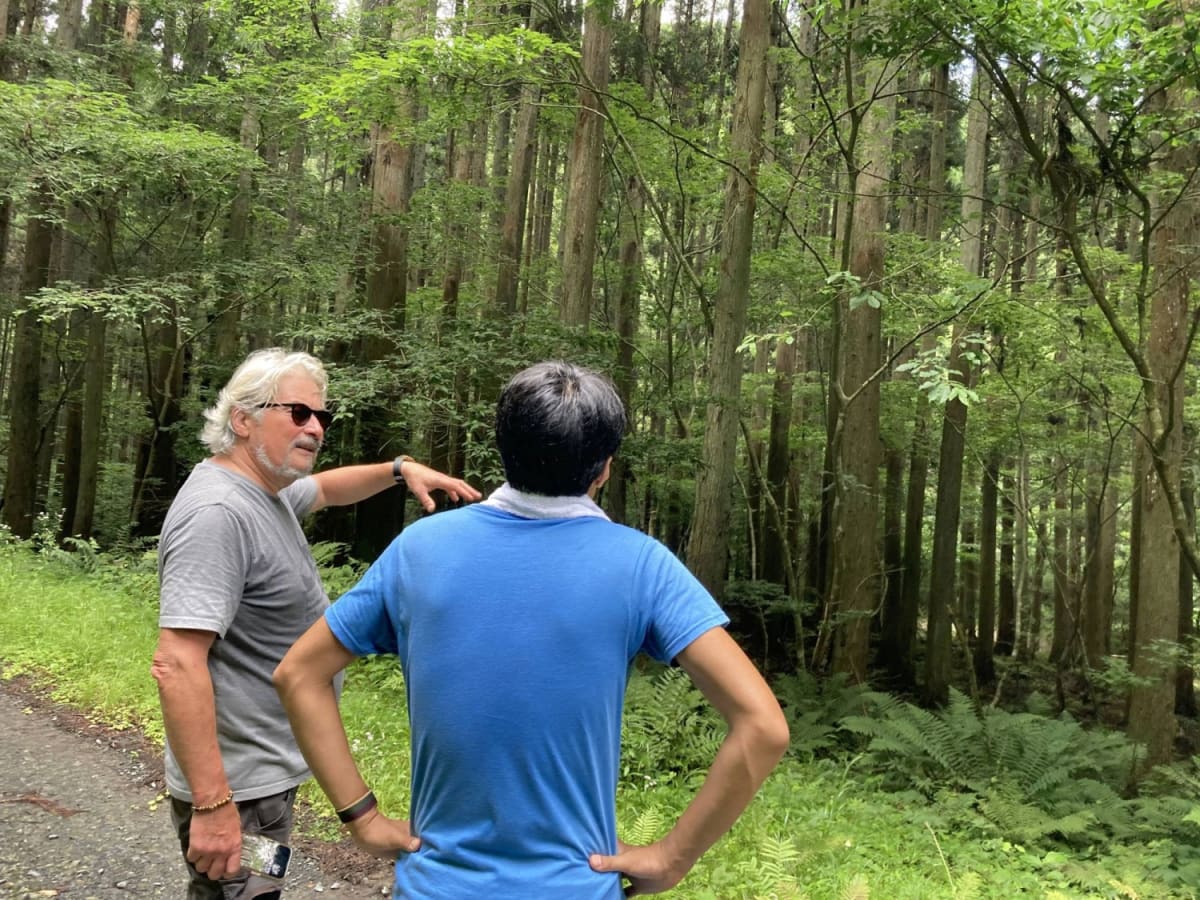
In Miyagi Prefecture, the Ishinomaki District Forestry Association faced a heartbreaking reality. Their dense cedar and cypress forests, once valuable timber sources, were becoming ecological disasters. Without money for proper thinning, trees couldn't photosynthesize efficiently, turning the woods into net carbon emitters for much of the year.
The 2011 tsunami devastated the region, and recovery proved slow. Forest owners began abandoning their land as timber prices plummeted against cheap imports. An aging workforce and fragmented ownership made things worse.
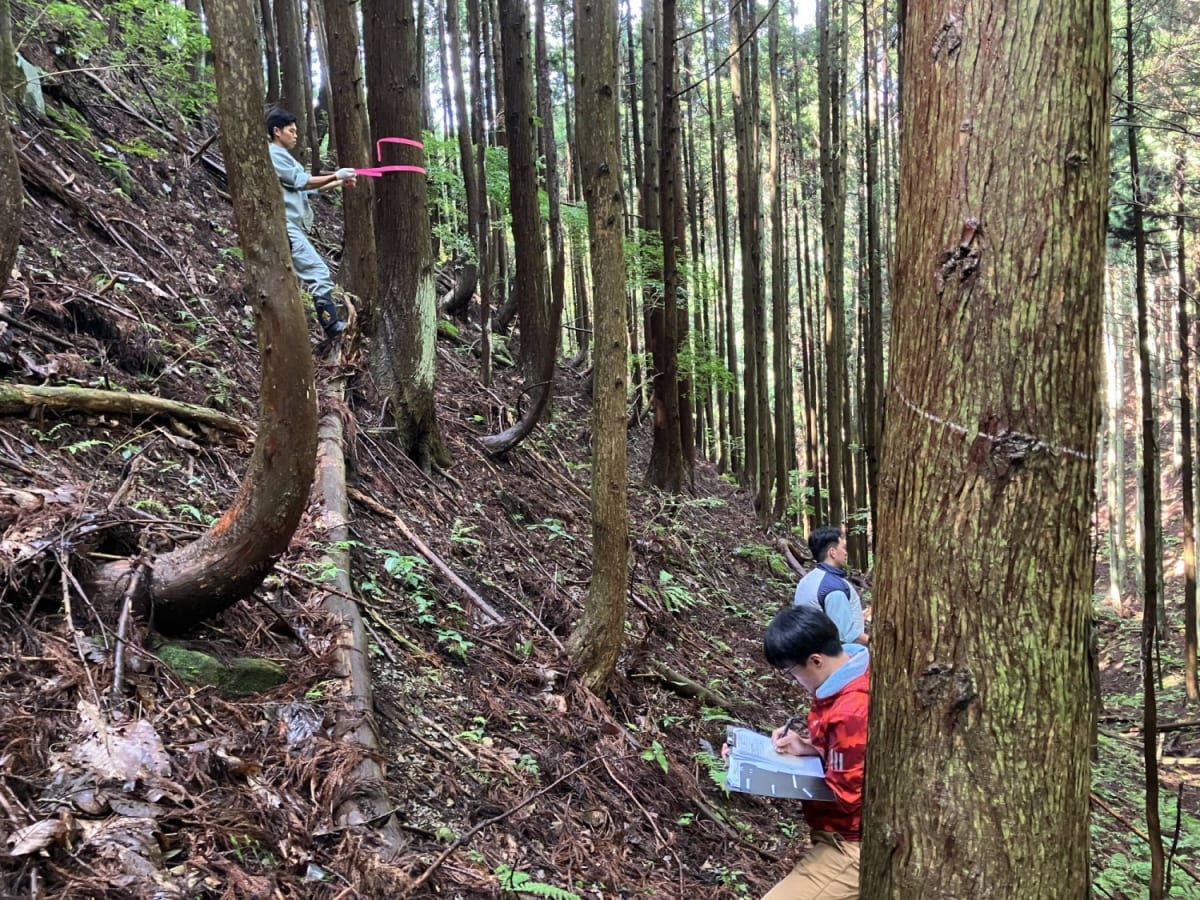
Then Hitachi Systems arrived in 2022 with a creative solution. Working with French startup Everimpact, they analyzed satellite data spanning two decades to understand what the forests needed. The diagnosis was clear: thin the aging conifers, plant diverse species including broadleafs, and apply for international carbon credits to fund the transformation.
The plan targets 900 hectares of woodland. By creating mixed forests instead of monoculture stands, the project boosts biodiversity while capturing more carbon. Younger broadleaf trees also handle Japan's increasingly hot, dry summers better than the original plantings.
Associate Director Akio Abe sees the project as a lifeline. "The ultimate goal is to create a mixed forest of conifers and broadleaf trees," he explains. "I believe it will also contribute significantly to biodiversity."
The carbon credits could generate up to 260 million yen, providing income comparable to the old timber days. But this time, the money funds environmental enhancement rather than extraction.
The Ripple Effect
The Ishinomaki model shows how climate finance can rescue struggling rural communities while healing ecosystems. Roughly 40 percent of Japan's total forest area consists of planted woods needing similar intervention. If this approach succeeds, it could spread nationwide.
Mixed forests require less maintenance than plantations, making them financially sustainable long term. They also reduce landslide risks by developing stronger root systems and supporting undergrowth that stabilizes soil.
Project member Akihito Kitade captures the vision perfectly. "It's not just about making money, but about investing that money into enhancing environmental value."
The forests that once symbolized economic decline are becoming symbols of hope instead.
More Images
Based on reporting by Japan Times
This story was written by BrightWire based on verified news reports.
Spread the positivity!
Share this good news with someone who needs it