Tunnel Project Accidentally Creates Wildlife Paradise in UK
When engineers moved a busy highway underground in 2011, they didn't just solve traffic problems. They sparked one of southern England's most successful rewilding stories.
Just one month after the Hindhead Tunnel opened in southern England, rangers heard nightjars singing in the Devil's Punch Bowl for the first time in recorded history.
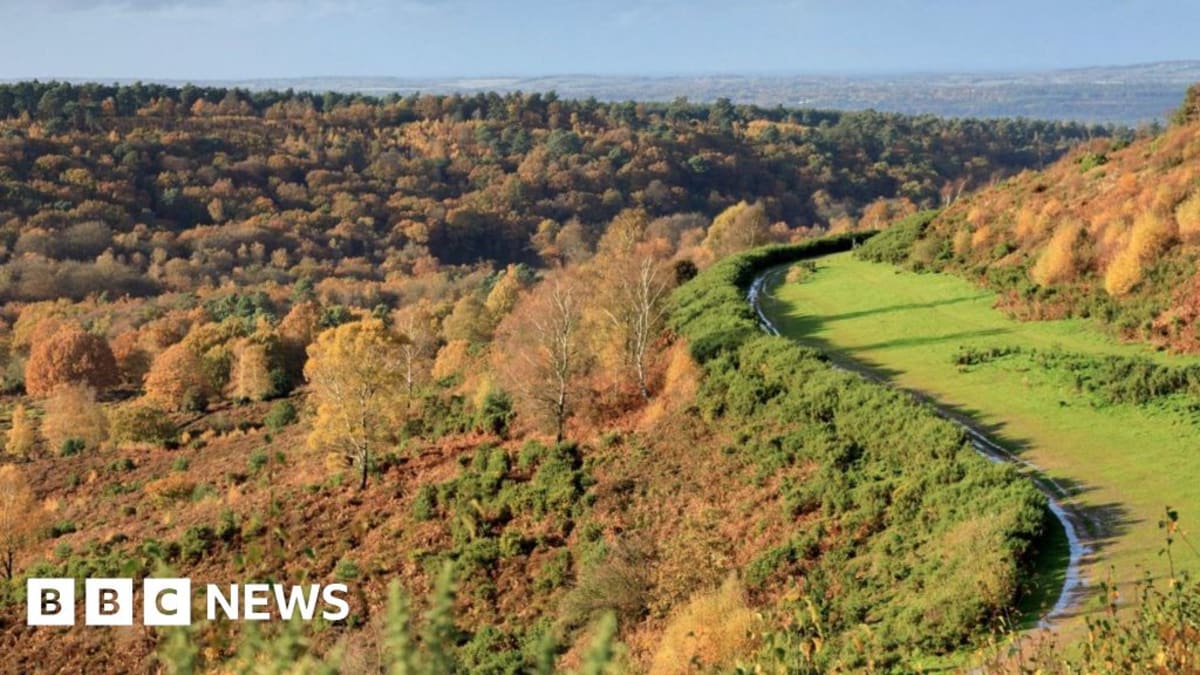
The 2011 tunnel project was built to solve a traffic nightmare on the A3 highway. But when engineers moved the road underground, they gave the National Trust an unexpected gift: miles of asphalt cutting through rare lowland heath that could simply disappear.
The old A3 had sliced directly across Hindhead Common and the Devil's Punch Bowl, a protected landscape and one of the largest remaining lowland heaths in southeast England. For generations, the highway had severed natural habitats and filled the air with pollution from idling cars.
The National Trust removed the entire road surface and got to work. They restored the land's natural contours, replanted native species, and reconnected habitats that had been divided for decades.
The Ripple Effect
The changes happened fast. Within weeks, protected bird species like woodlark and nightjar began breeding successfully on the restored heath. These birds had never nested in that part of the landscape before.
Wildlife corridors that had been blocked by traffic and noise reopened. Animals could move freely again across terrain their ancestors hadn't accessed in generations.
The nearby village of Hindhead saw dramatic improvements too. The constant traffic jams had created such severe air pollution that the village earned an official Air Quality Management Area designation due to dangerous nitrogen dioxide levels.
Just two years after the tunnel opened, pollution levels dropped below legal limits. The designation was lifted in 2015.
Matt Cusack, a National Trust Ranger, marvels at the transformation. "They took away that road noise, and the wildlife came back," he said.
The project shows how infrastructure decisions can create unexpected conservation wins when planners think beyond just moving cars from point A to point B.
More Images
Based on reporting by BBC Science
This story was written by BrightWire based on verified news reports.
Spread the positivity!
Share this good news with someone who needs it