Colombia's Escaped Hippos Are Healing Ancient Ecosystems
Dozens of hippos descended from Pablo Escobar's private zoo have escaped into Colombian rivers, and scientists just discovered they're restoring ecological balance lost 10,000 years ago. What started as an exotic pet problem became an accidental conservation breakthrough.
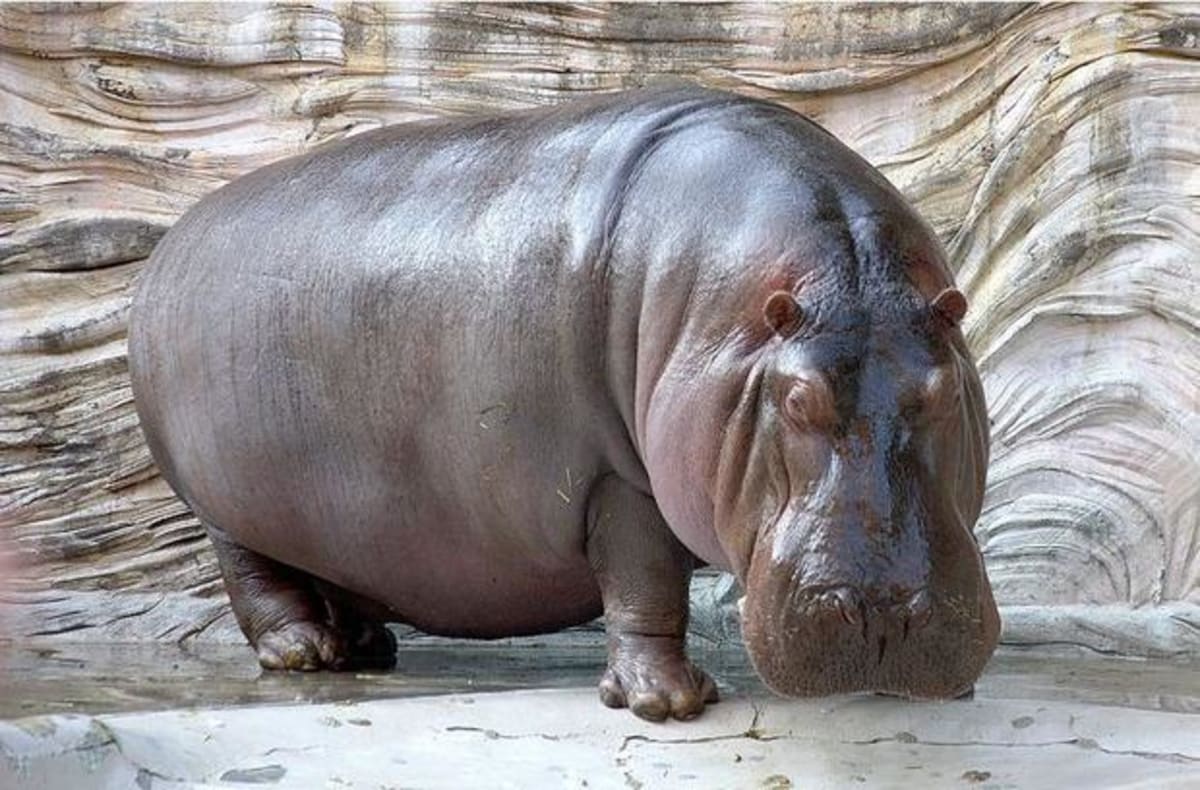
When drug lord Pablo Escobar was killed in 1993, authorities shipped most of his private zoo animals to sanctuaries worldwide. But four hippos stayed behind in their lake at Hacienda Napoles, his abandoned estate halfway between Medellin and Bogota.
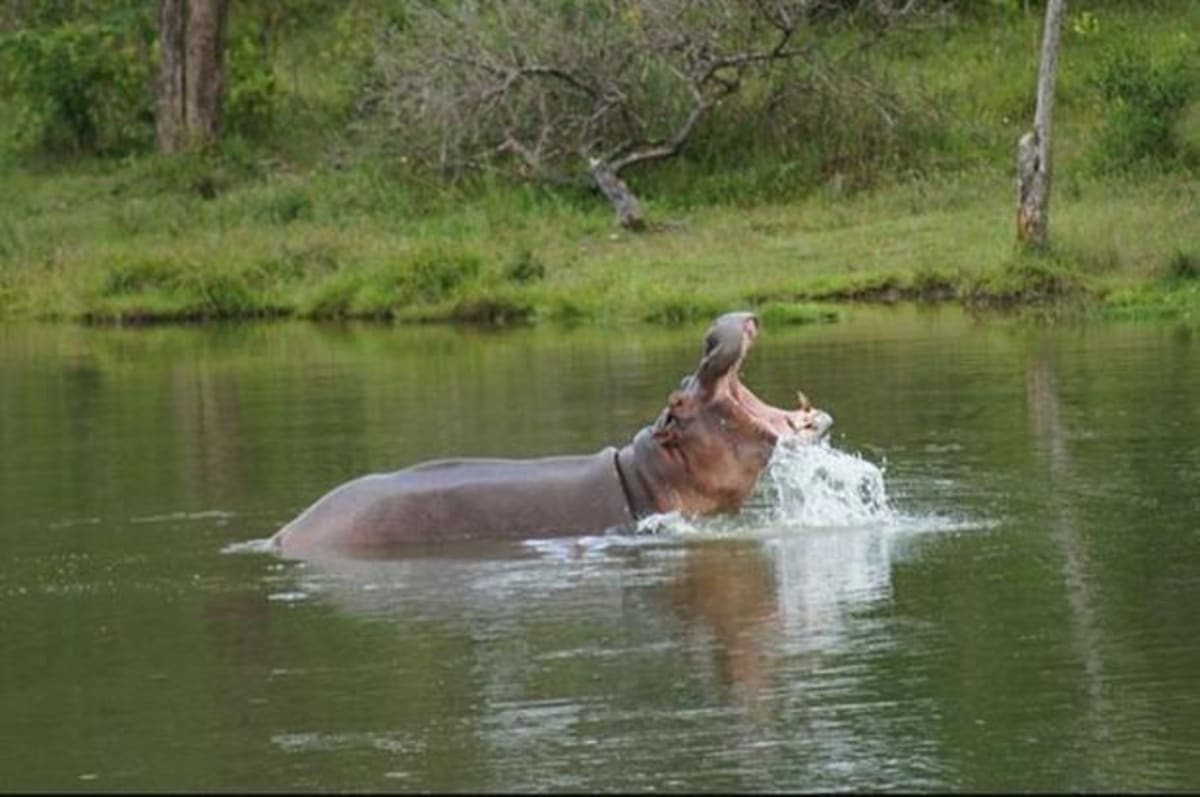
Nearly three decades later, those four have become up to 100. At least a dozen have waddled past flimsy fences into the Magdalena River, where conditions are so perfect they're reproducing faster than anywhere on Earth.
In their native Africa, hippos don't breed until age seven to eleven. Colombia's hippos start at just three years old. Every fertile female now gives birth annually, and the population is exploding exponentially.
Ecologist Jonathan Shurin from UC San Diego studies these unlikely immigrants. He predicts thousands could roam Colombia within decades. That sounds like an environmental disaster, an invasive species running wild in a place they don't belong.
But a study published last month in the Proceedings of the National Academy of Sciences revealed something remarkable. These hippos are filling ecological roles that vanished when giant species went extinct 10,000 years ago during the Late Pleistocene.
"The feral hippos in South America are similar in diet and body size to extinct giant llamas," explained study co-author John Rowan from the University of Massachusetts Amherst. They also share traits with notoungulatas, bizarre extinct mammals that were large and semi-aquatic like hippos.
No single extinct species matches hippos perfectly. But collectively, they're restoring important ecological functions that disappeared when Ice Age megafauna vanished. Their grazing patterns, waste distribution, and habitat engineering are bringing ecosystems closer to what existed before human-driven extinctions.
The Bright Side
This accidental rewilding experiment shows nature's resilience in unexpected ways. For 30 years, nobody knew whether these escaped hippos were ecological villains or heroes. The answer turns out to be surprisingly hopeful.
The study found similar patterns worldwide where introduced large herbivores fill niches left empty by extinction. Wild horses in North America partially replace their extinct domestic ancestors. These species are counteracting losses humanity caused millennia ago.
Colombia's hippos still pose challenges, including potential danger to people, though no attacks have occurred yet. But this discovery transforms how scientists view introduced species. Sometimes what looks like an invasion is actually an ecological homecoming.
What began as a drug kingpin's vanity project became one of conservation's strangest success stories, proving nature finds balance in the most unlikely places.
More Images

Based on reporting by Regional: colombia innovation (CO)
This story was written by BrightWire based on verified news reports.
Spread the positivity!
Share this good news with someone who needs it