Nebraska Forces Data Centers to Reveal Water Use
Nebraska just became the first state to require data centers to disclose their water consumption and energy use. The transparency law helps protect water resources in a state facing drought while still welcoming tech growth.
Nebraska just took a bold step toward protecting its water supply while keeping its doors open to the tech industry.
The state's new law requires data centers to report their annual water consumption and electricity demand. It's the first legislation of its kind in the nation, giving regulators the information they need to plan for the future without shutting down economic growth.
The timing couldn't be more critical. Wide stretches of this agricultural state are battling extreme drought, and nobody knew how much water the growing number of data centers were actually using. Nebraska didn't even have an official count of how many data centers operate within its borders.
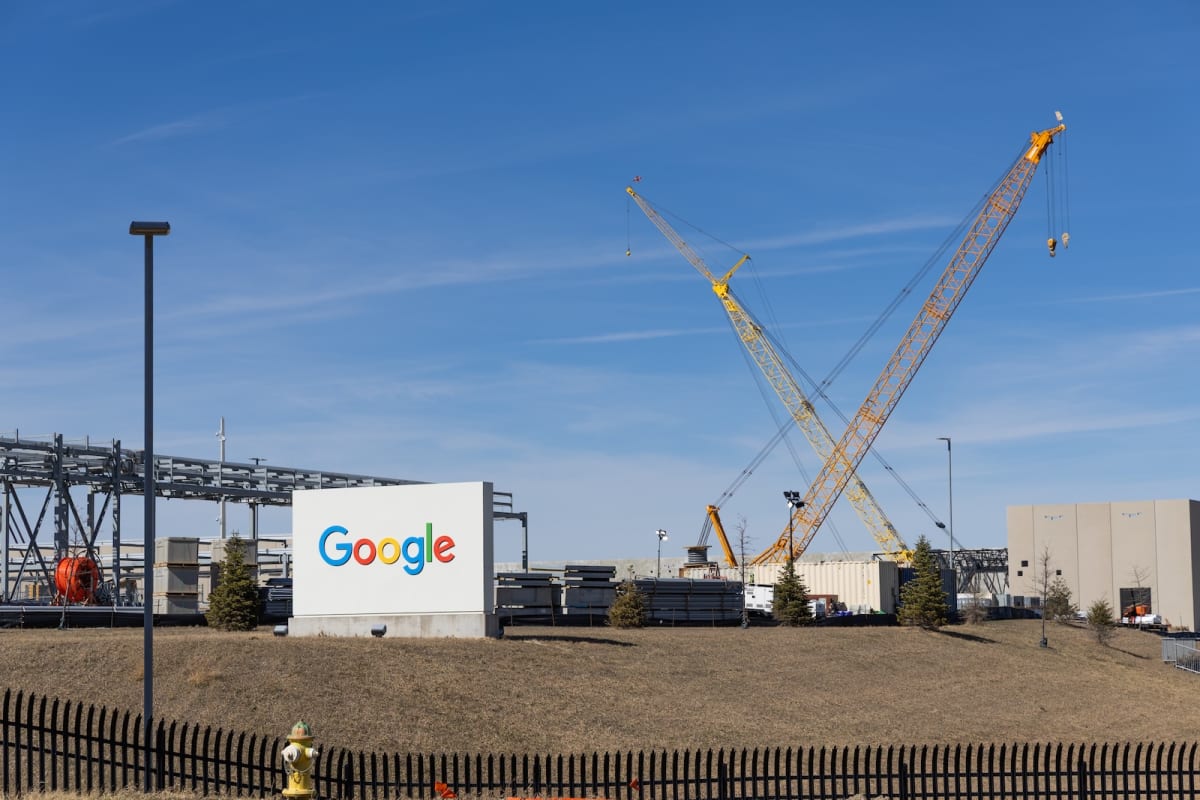
The numbers that have emerged tell an eye-opening story. Google's Nebraska facilities consumed about 732 million gallons of water in 2025 alone. Meta's massive Sarpy County data center uses between 26.7 and 37.5 million gallons yearly, depending on cooling needs.
Jesse Bradley, director of the Department of Water, Energy, and Environment, called the legislation a "great start" that will help identify remaining information gaps. His team can now make informed decisions about where new facilities make sense and where water resources are too stretched.
Data centers need water to keep their computer servers cool and prevent malfunctions. Some use evaporative cooling systems that consume large amounts of water. Others deploy "closed loop" systems that recycle coolant for years but require more electricity, which also takes water to produce.
The challenge is finding balance in different locations. What works in one area might strain resources in another. Google now assesses local watersheds before and after building facilities, adjusting cooling methods based on available water supplies.
Why This Inspires
This law shows how states can welcome innovation without sacrificing natural resources. Nebraska found a middle path between economic development and environmental protection.
John Winkler, general manager of the Papio-Missouri River Natural Resource District, put it simply: "From a logical, common-sense perspective, we really need to stop putting industry in areas where they can't be supported by natural resources like water."
The pressure on tech companies to use the most efficient technologies just got real. Researchers say the industry should install the very best systems that minimize both energy and water consumption. With trillions pouring into data center development, transparency and accountability are no longer optional.
Crystal Powers, a water extension educator at the University of Nebraska-Lincoln, notes that water policy is top of mind as droughts and higher temperatures increase demand. Most of the state's water goes to irrigation for agriculture, so every gallon counts.
Other states facing similar pressures are watching Nebraska's experiment closely, ready to follow its lead in balancing progress with preservation.
More Images

Based on reporting by Grist
This story was written by BrightWire based on verified news reports.
Spread the positivity!
Share this good news with someone who needs it