Canada's Robotic Arm Gets 300th IEEE Milestone Honor
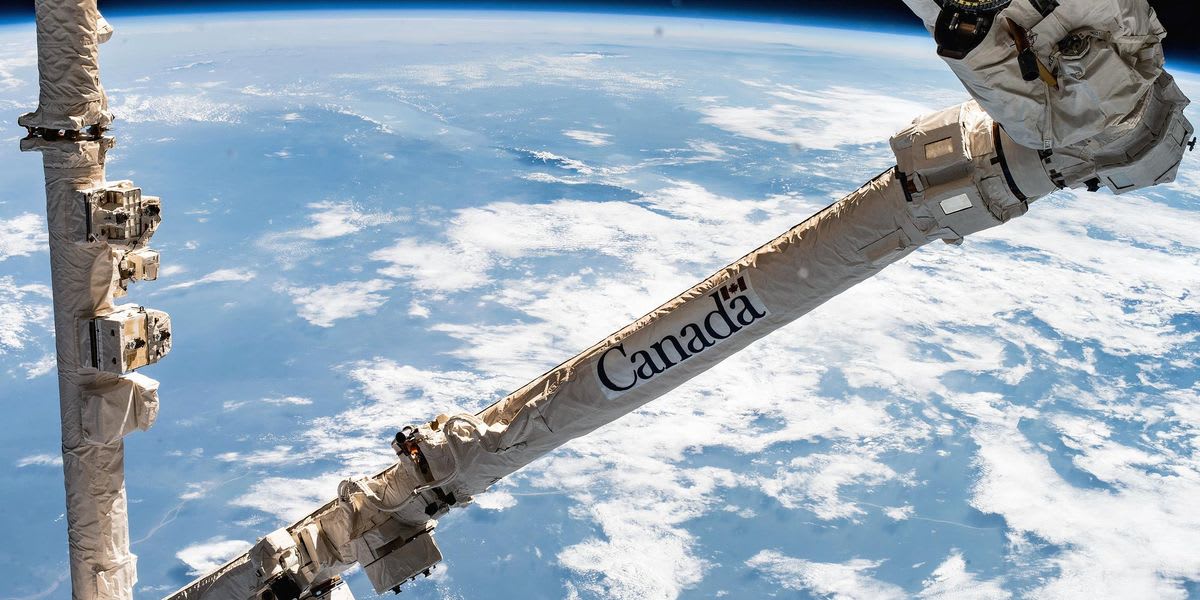
The Canadarm, a groundbreaking robotic arm that served NASA for 30 years, just became the 300th IEEE Milestone. This international collaboration between the U.S. and Canada transformed how astronauts work in space.
A robotic arm that could lift satellites, repair spacecraft, and build the International Space Station just earned one of engineering's highest honors.
The Canadarm, officially called the Shuttle Remote Manipulator System, was dedicated as the 300th IEEE Milestone on June 19 at MDA Space headquarters in Ontario. The recognition celebrates technology that changed space exploration forever.
Back in 1969, NASA invited Canada to help develop reusable space shuttles. Canadian officials found their inspiration in an unexpected place: a robot that loaded fuel into nuclear reactors. That concept sparked the idea for a robotic arm that could work in the harsh environment of space.
The challenge was enormous. The arm needed to be lightweight enough to fit on a shuttle but strong enough to move satellites. It had to work in zero gravity and handle payloads from any angle. Engineer Peter Carlisle Hughes solved the puzzle with a design featuring two shoulder joints, one elbow, and three rotating wrists.
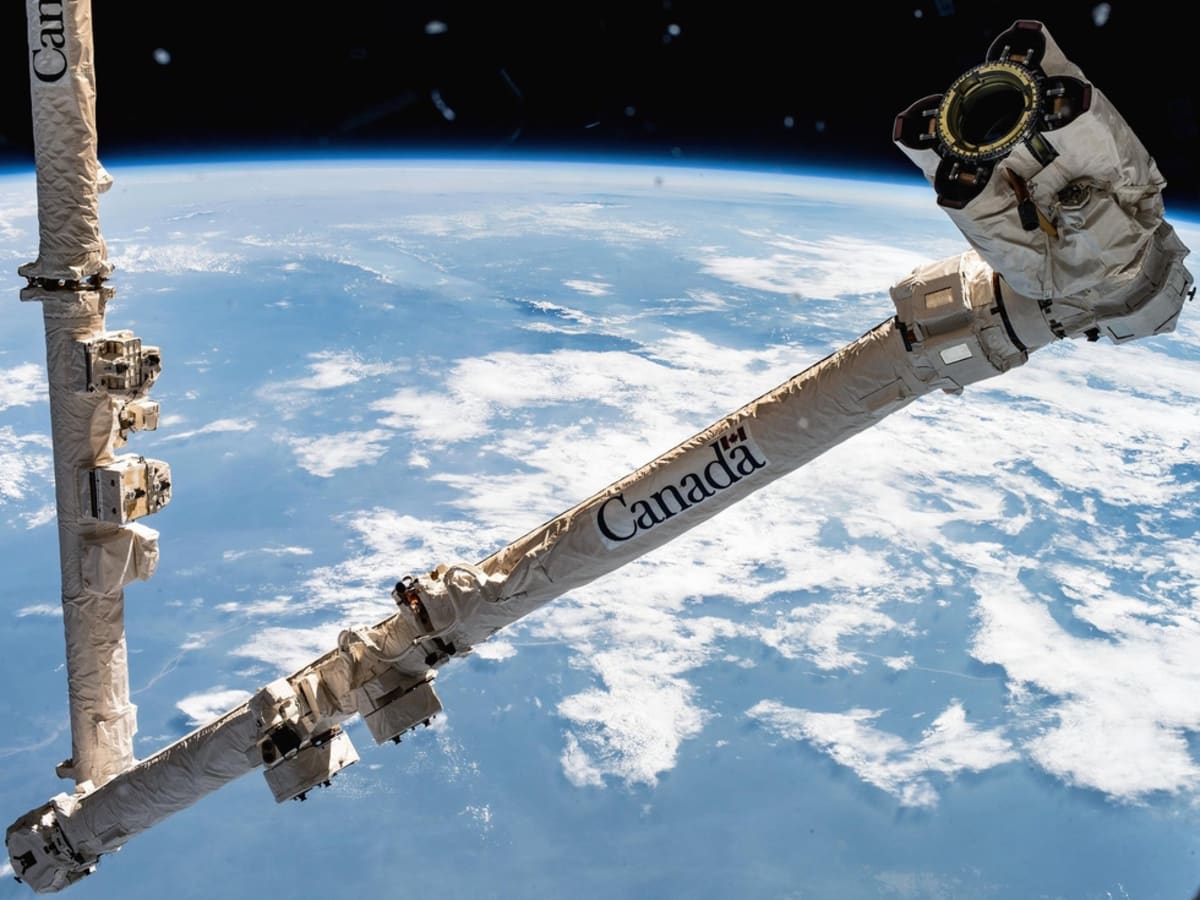
The finished Canadarm stretched 50 meters long and weighed just 400 kilograms. It was so lightweight that it couldn't even support itself under Earth's gravity. Made from titanium, stainless steel, and graphite epoxy, the arm could withstand the extreme temperatures and radiation of space.
Testing the arm required building an entire simulation facility at Spar Aerospace in Brampton, Ontario. Engineers created two computer models called RIGID and ASAD to test every movement and ensure the joints worked perfectly. The same facility later trained astronauts on how to operate the robotic marvel.
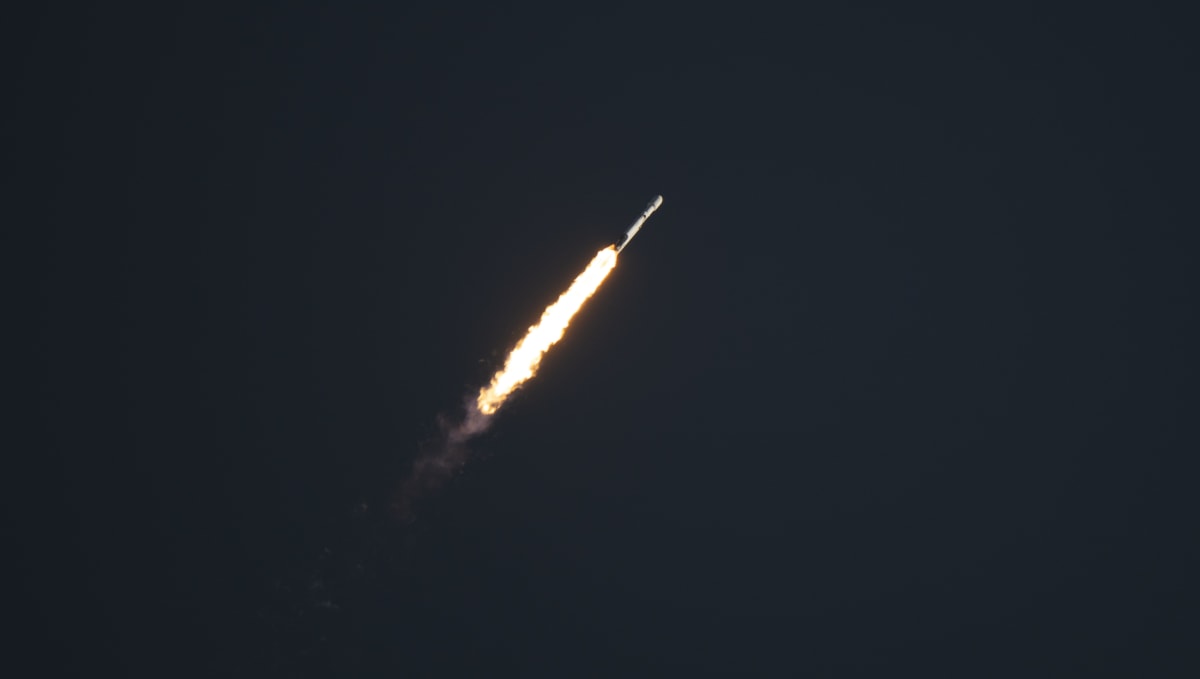
In November 1981, Canadarm launched aboard the space shuttle Columbia. For the next three decades, it handled crucial tasks on five different shuttles and the International Space Station. Astronauts used it to deploy satellites, make repairs, and transfer cargo between spacecraft.
The Ripple Effect
The Canadarm's success sparked a new era of international space cooperation. Canada established its space agency partly because of this project's impact. The technology influenced modern robotics far beyond space exploration, showing how countries working together can achieve what seemed impossible.
"This milestone is a reminder of the privilege we all have at MDA Space to build technology that shapes history," says Holly Johnson, the company's vice president.
Michael Geselowitz, senior director of the IEEE History and Heritage group, notes the perfect timing: "It is appropriate that the 300th Milestone is the Canadarm. The technology spans aerospace, robotics, and computing, and it shows how IEEE members are at the cutting edge of many frontiers."
The robotic arm that once seemed like science fiction became an indispensable tool that helped build our orbital future.
More Images
Based on reporting by IEEE Spectrum
This story was written by BrightWire based on verified news reports.
Spread the positivity!
Share this good news with someone who needs it