Canadian Arctic Town Tests Ice-Thickening Technology
A small Arctic community is partnering with scientists to pump seawater onto thinning ice, making it 20 inches thicker and helping preserve their traditional way of life. After three years of testing, the treated ice stays frozen longer and could protect hunting grounds for generations.
In Cambridge Bay, Canada, where vanishing sea ice threatens hunting grounds and ancient traditions, a simple idea is making winter ice 20 inches thicker than before.
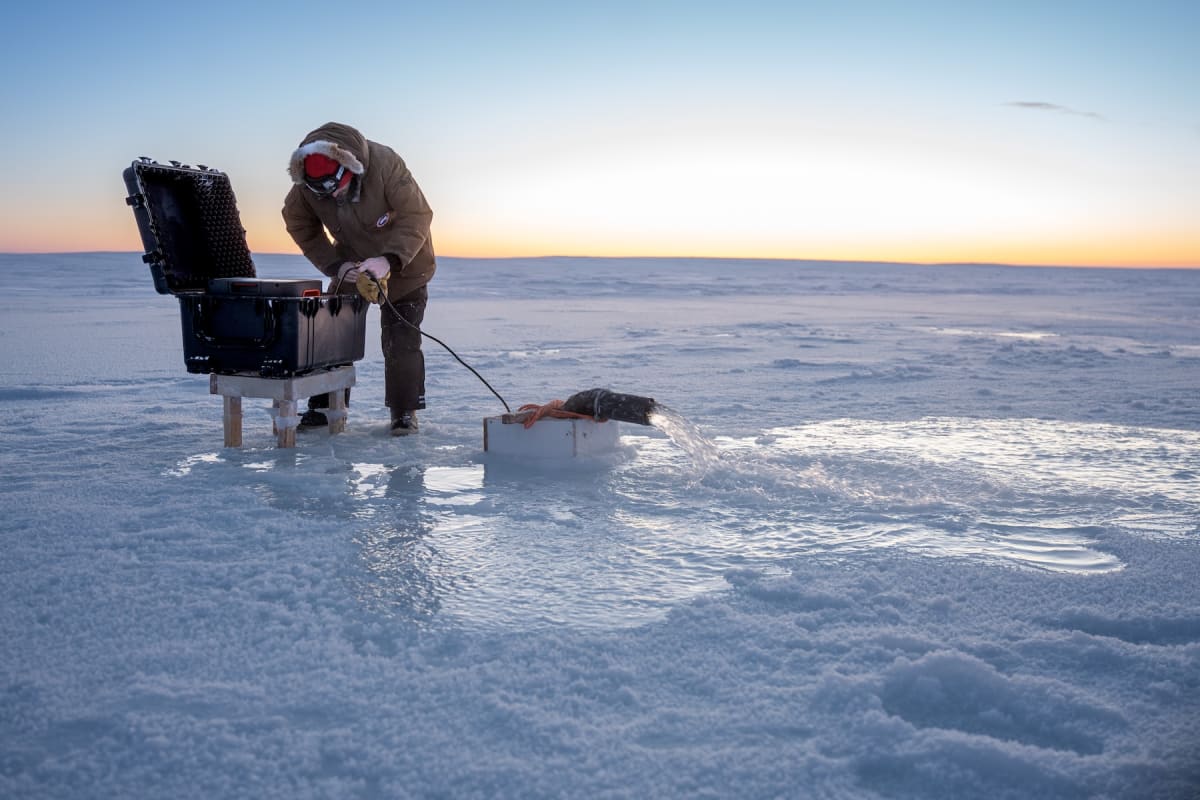
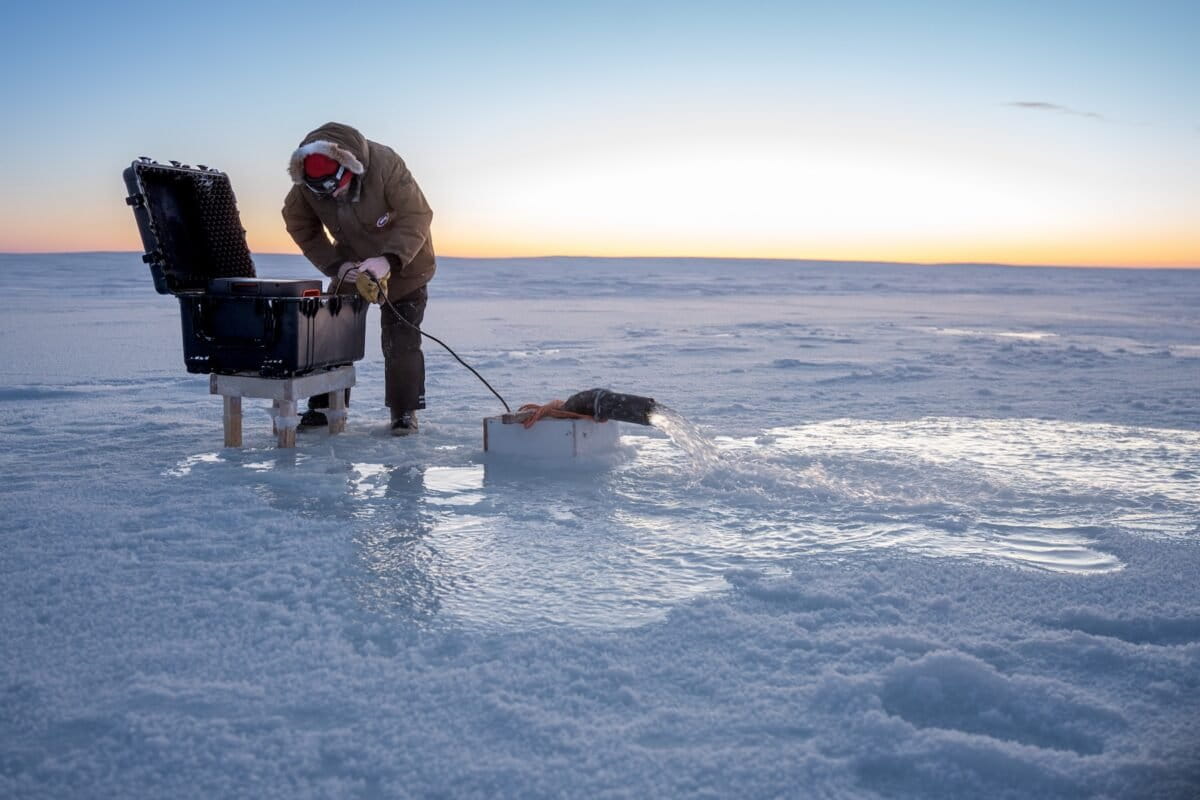
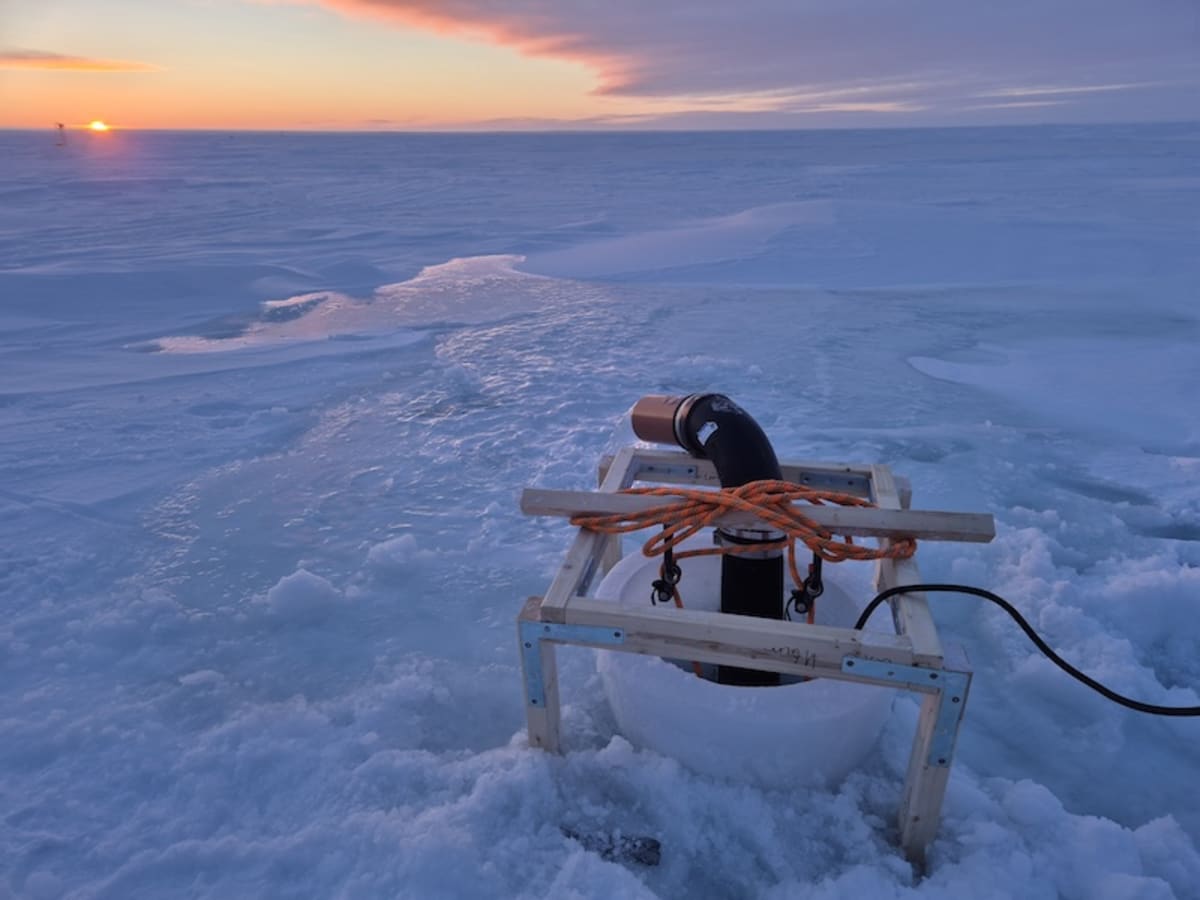
Real Ice, a UK-based climate startup, is working with the Arctic community of Ikaluktutiak to pump seawater onto existing ice during winter. When the water freezes, it creates a thicker, brighter layer that lasts longer through summer.
The concept sounds wild, but it's working. After three years of testing on a small patch of ice, the results caught even the researchers by surprise.
At the end of May 2026, treated ice measured 50 centimeters thicker than untreated ice nearby. The difference was so dramatic that visitors described it as a "white island" standing above surrounding melt ponds.
The extra thickness isn't just a number. For Indigenous peoples in Cambridge Bay, sea ice means everything: safe travel routes, access to hunting and fishing grounds, and the ability to practice traditions passed down through generations.
Arctic sea ice has been shrinking by more than 12% per decade since satellite tracking began. Scientists predict the region could see its first near-ice-free summer in the 2030s, threatening coastal communities that have relied on winter ice for thousands of years.
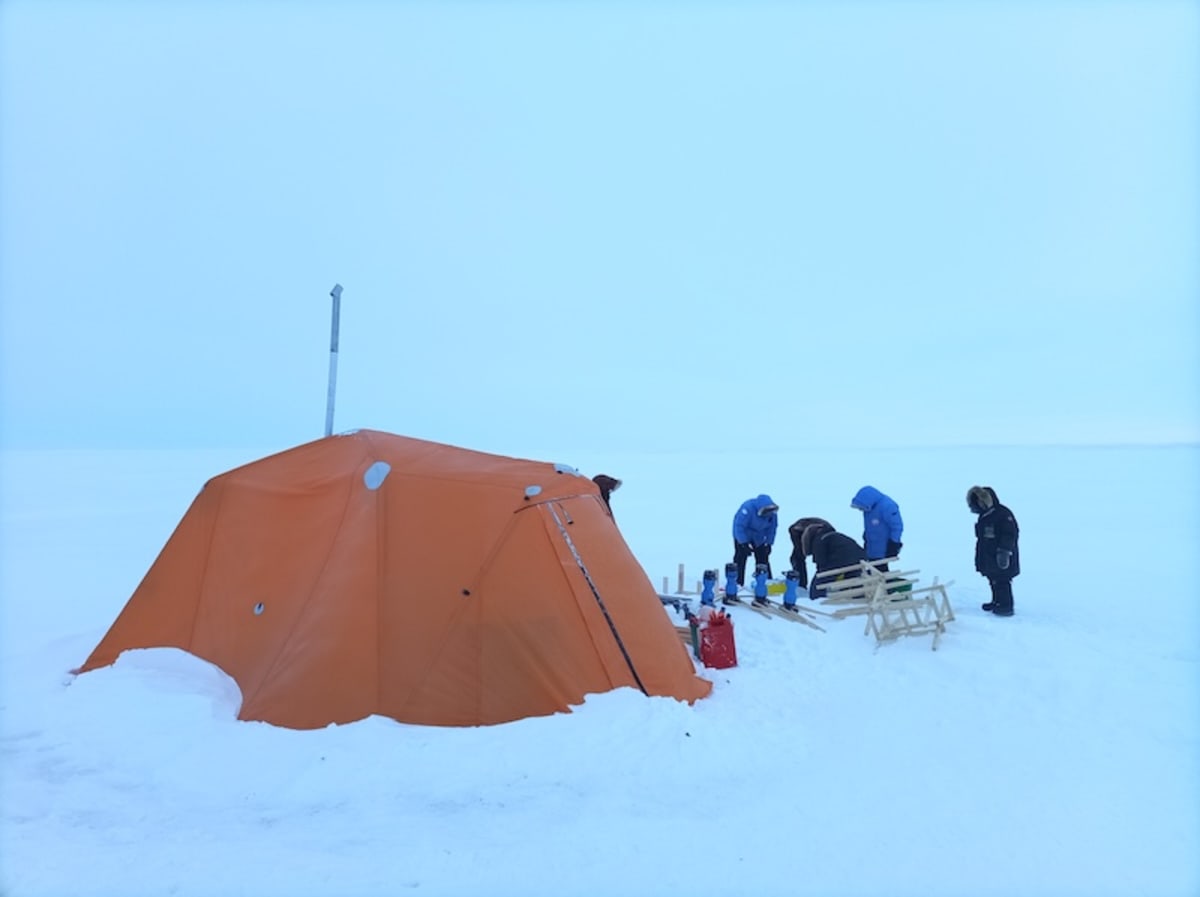
Real Ice CEO Andrea Ceccolini says his team presented their plans to the community before starting work and secured support from local organizations. They've kept the test area small, just one square kilometer, while they study environmental safety.
The Ripple Effect
The thicker ice does more than just last longer. Its bright white surface reflects more sunlight back into space, creating a cooling effect that slows melting even further. This "albedo effect" means each patch of treated ice helps protect itself.
If the approach proves safe and scalable, the team hopes to use underwater drones to automate the process across larger areas. Thicker ice could protect hunting grounds, preserve cultural traditions, and help people travel safely across frozen waters.
The project has drawn some controversy, as geoengineering efforts often do. Critics worry about unforeseen environmental impacts from large-scale interventions in delicate Arctic ecosystems.
But for now, the focus remains on careful testing and community partnership. Real Ice continues monitoring the treated ice through each melt season, measuring thickness, reflectivity, and environmental effects.
What started as a "completely crazy" idea from astrophysicist Steven Desch in 2017 has evolved through field testing and computer modeling into something that might actually work. Desch now serves as an adviser to the project.
The stakes couldn't be higher for Arctic communities watching their frozen world transform, and this white island of thicker ice offers a glimpse of hope worth exploring.
More Images

Based on reporting by Mongabay
This story was written by BrightWire based on verified news reports.
Spread the positivity!
Share this good news with someone who needs it