Canadians Train Neighbors to Fight Wildfires Themselves
As wildfires intensify across Canada, remote communities are training residents to protect their own homes when professional crews can't reach them in time. Over 400 people have already learned firefighting skills through grassroots programs.
When wildfires threatened Hubert Wigwas's First Nation community in northern Ontario, he refused to leave. Instead, the 58-year-old councillor put sprinklers on his roof, checked on elders who stayed behind, and prepared boats for emergency escape.
His decision wasn't reckless. It was born from a simple realization: help might not arrive in time.
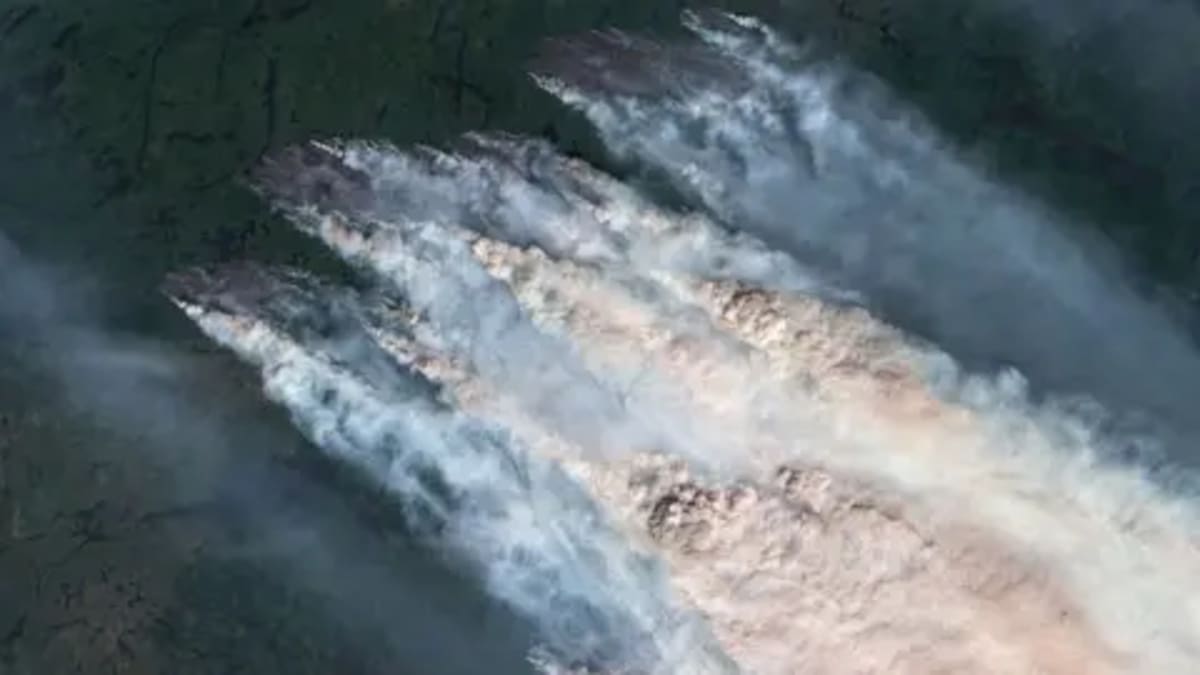
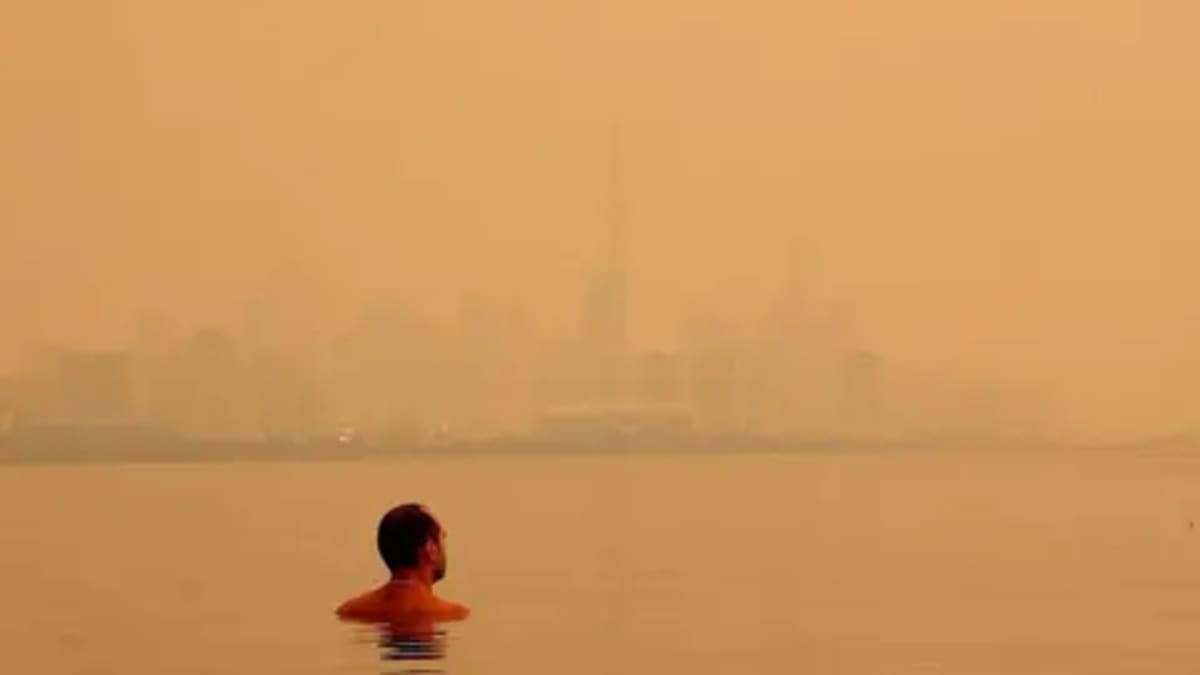
With more than 750 wildfires burning across Canada this August and 2023 marking the country's worst fire season on record, remote communities are facing a harsh truth. There simply aren't enough firefighters to protect every town when blazes tear through forest land the size of Syria.
So Canadians are taking matters into their own hands.
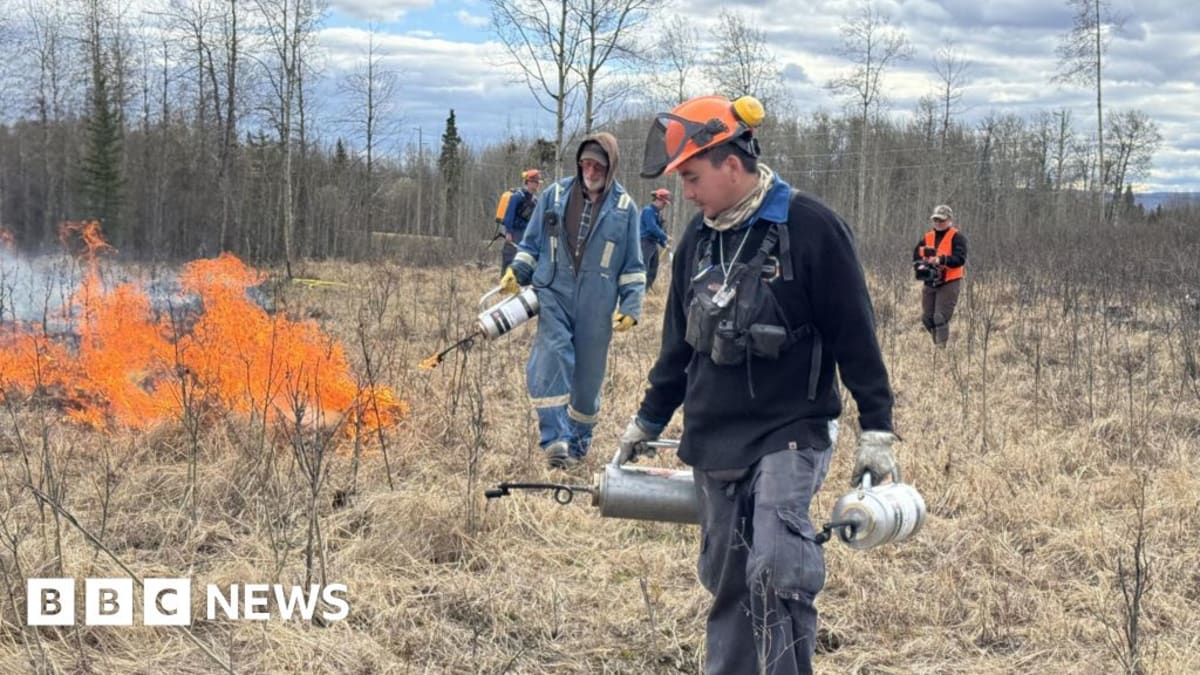
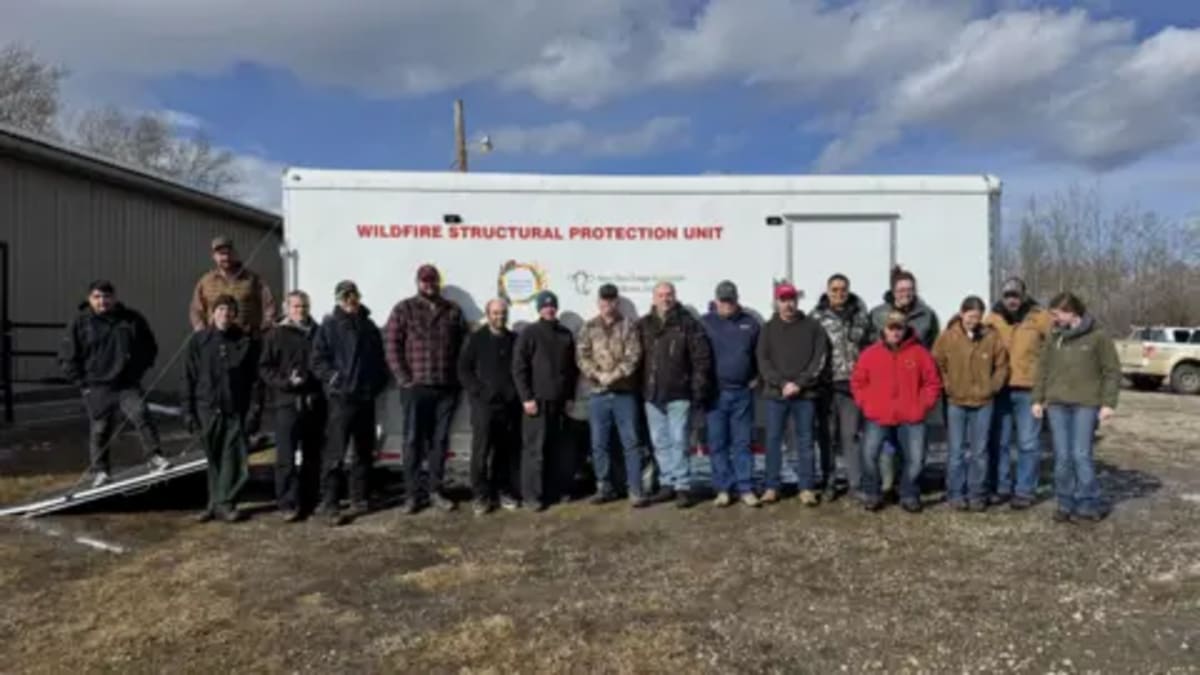
In Fort Nelson, British Columbia, wildfire researcher Sonja Leverkus has trained over 400 people in the past three years through the Northeast BC Rural Incident Management Team. Her crew, primarily Indigenous residents, now conducts controlled burns, operates fire wagons they purchased through fundraising, and teaches neighbors how to protect buildings from embers.
"There are not enough human beings in Canada with the appropriate training to fight the fires that we have currently," Leverkus told the BBC. Her team often arrives at fires before provincial crews, sometimes working alongside them once they arrive.
When a major wildfire tore through Fort Nelson in 2024, Leverkus and 40 team members stayed behind. The province hired them to clear flammable materials and support fire suppression efforts.
Cam Allen, a 70-year-old former helicopter pilot, recently completed Leverkus's structural protection training. He's not alone in wondering whether more people staying to defend their homes could make a difference, pointing to viral footage of a California man who saved his house with a garden hose while neighbors' homes burned.
The Ripple Effect
These grassroots firefighting teams are changing how Canada thinks about wildfire response. Remote communities that once waited helplessly for distant crews now have trained residents ready to act immediately. The model is spreading, with Wigwas calling for similar programs across First Nations reserves.
The approach combines modern firefighting techniques with local knowledge and community commitment. Teams conduct prescribed burns to remove fuel before wildfires arrive, maintain equipment, and coordinate with professional crews when they can reach them.
Ontario officials say they direct firefighting resources based on fire behavior and community risk. But for places like Gull Bay First Nation, 24 kilometers from active fires, having trained locals ready to respond offers security that evacuation orders can't provide.
These Canadians aren't just fighting fires. They're building resilience in communities learning to live with a new climate reality.
More Images
Based on reporting by BBC Science
This story was written by BrightWire based on verified news reports.
Spread the positivity!
Share this good news with someone who needs it