Canary Islands Divers Help Scientists Track 5,000 Species
Everyday divers in the Canary Islands are becoming citizen scientists, uploading photos that have helped discover over 5,000 marine species. One instructor even has a newly discovered mollusk named after him.
A diving instructor's daily photo habit just helped scientists discover thousands of marine species in the Atlantic Ocean.
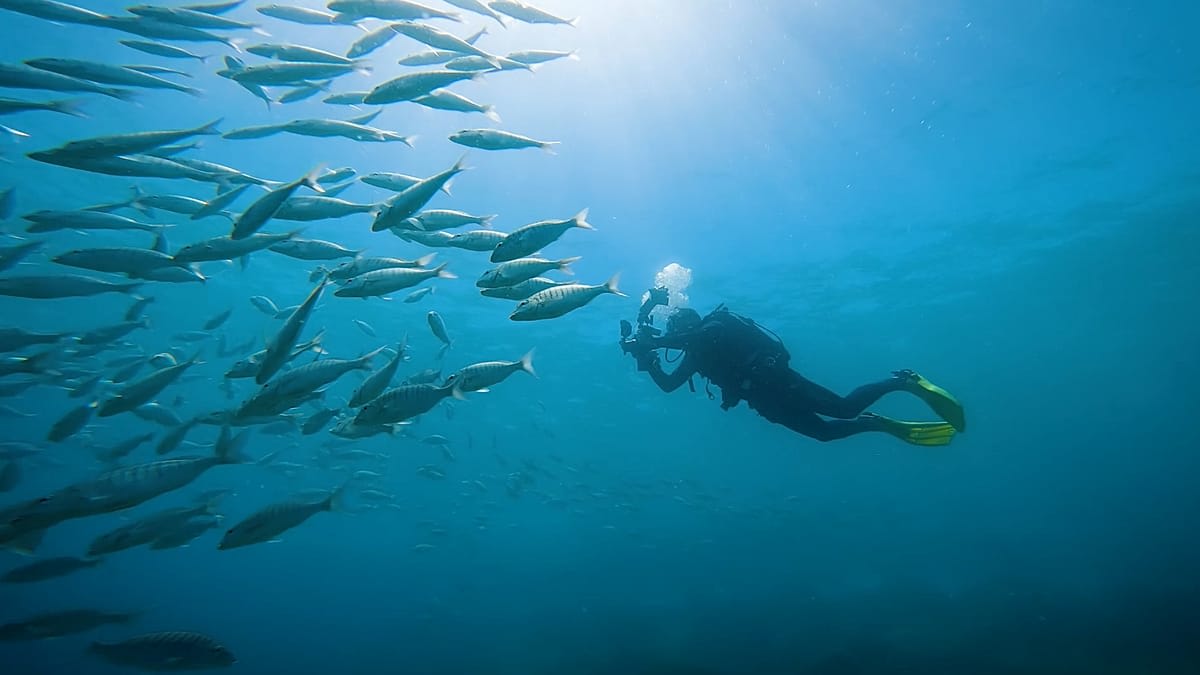
Dennis Rabeling dives every day around the Canary Islands, snapping pictures of everything he sees underwater. His photos, along with thousands from other ocean lovers, are helping marine biologists track the health of Atlantic waters in real time through a project called RedPROMAR.
The numbers tell an incredible story. More than 85,000 validated sightings have recorded over 5,000 species living in these waters. Three of those species were previously unknown to science in the Canary Islands, including one mollusk now named Gibberula Dennisi after Rabeling himself.
The concept is beautifully simple. Anyone can upload their underwater photos to the RedPROMAR platform, and expert marine biologists verify each submission. Every picture gets geotagged, creating a living map of ocean life around the islands.
Marc Martín Sola, a marine biologist working on the project, describes the photos as puzzle pieces. Individually they might not reveal much, but together they show patterns scientists would otherwise miss. The system has already spotted the arrival of alien species and tracked breeding seasons of protected animals.
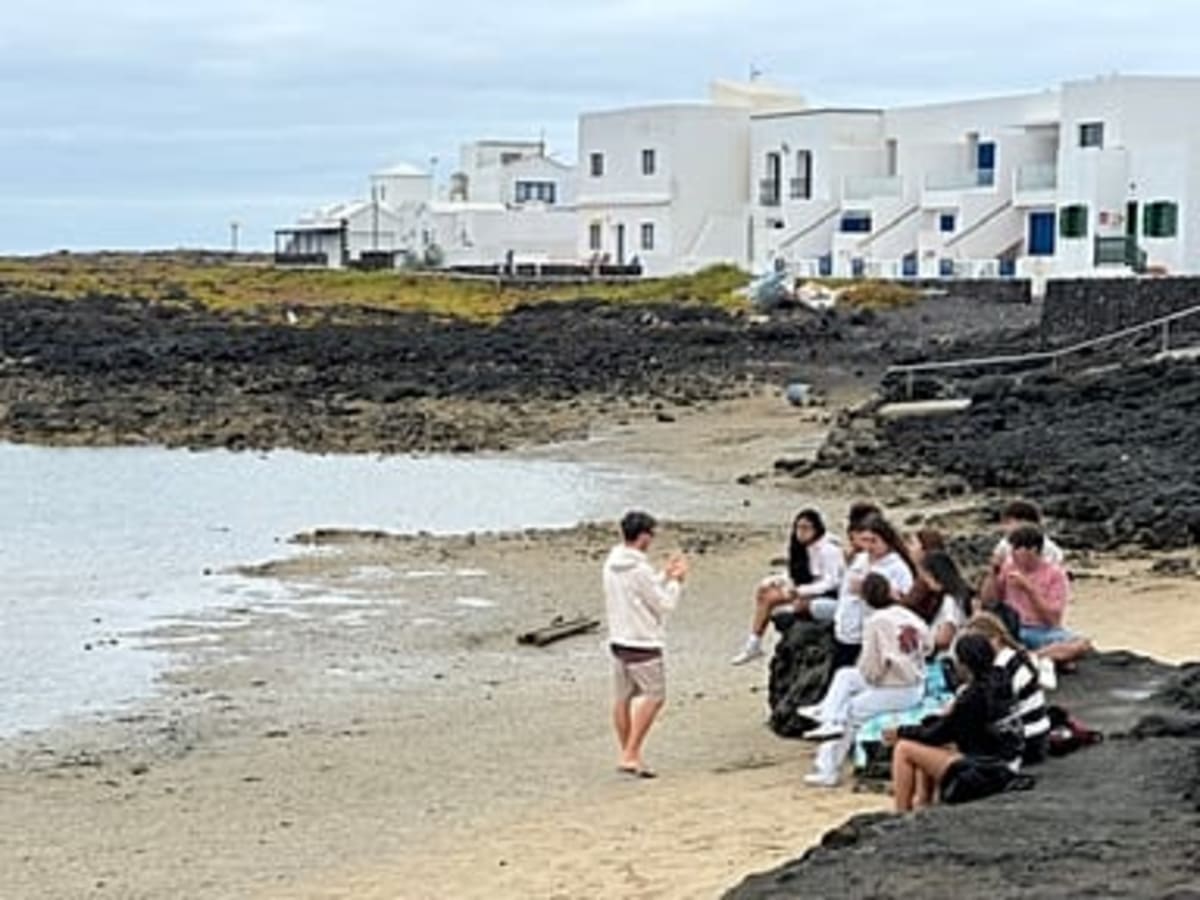
The project is making waves in classrooms too. Students at IES Yaiza secondary school studied ocean changes, recorded podcasts about tropical species moving north, and took a field trip to see the science in action. Teacher Juan Francisco Rodríguez García taught them how any phone can become a research tool.
Student Aroa discovered creatures she never knew existed. She was amazed to learn about manatees releasing purple ink when threatened. That sense of wonder is spreading across four island groups as the project expands beyond the Canaries to Cape Verde, Madeira, and the Azores.
Why This Inspires
This project proves that ordinary people doing ordinary things can contribute to extraordinary science. Every vacation photo, every diving trip, every snorkeling adventure becomes valuable data. The platform even acts as an early warning system, detecting sudden surges in specific species that might signal environmental changes.
The €2 million project shows how small actions add up. During a single 30-minute dive, Rabeling and his team spot twenty to thirty different species. Multiply that by thousands of contributors across hundreds of dives, and suddenly scientists have eyes everywhere the ocean touches land.
Citizen science is transforming how we understand and protect our oceans, one snapshot at a time.
More Images
Based on reporting by Euronews
This story was written by BrightWire based on verified news reports.
Spread the positivity!
Share this good news with someone who needs it