Canberra Tech Could Save 70M Tonnes of Milk Yearly
A three-minute milk test developed in Australia's capital could prevent nearly half of the world's 150 million tonnes of annual milk waste. The breakthrough technology helps dairy companies identify contaminants instantly instead of waiting three days for lab results.
Every year, the world throws away 150 million tonnes of milk — enough to fill 60 million Olympic swimming pools. But a Canberra innovation called Cybertongue is about to change that.
Stephen Trowell's company, PPB Technology, has created biosensors that test raw milk quality in just three minutes. Previously, dairy companies waited two to three days for lab results, often leading to spoiled batches and massive waste.
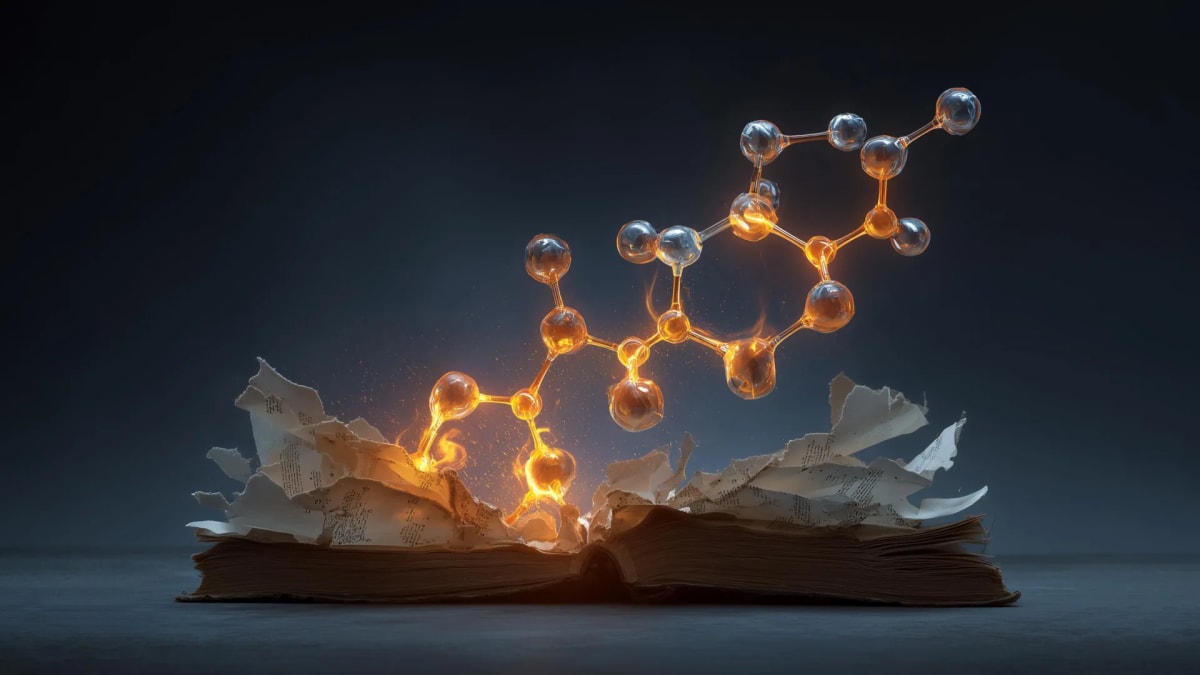
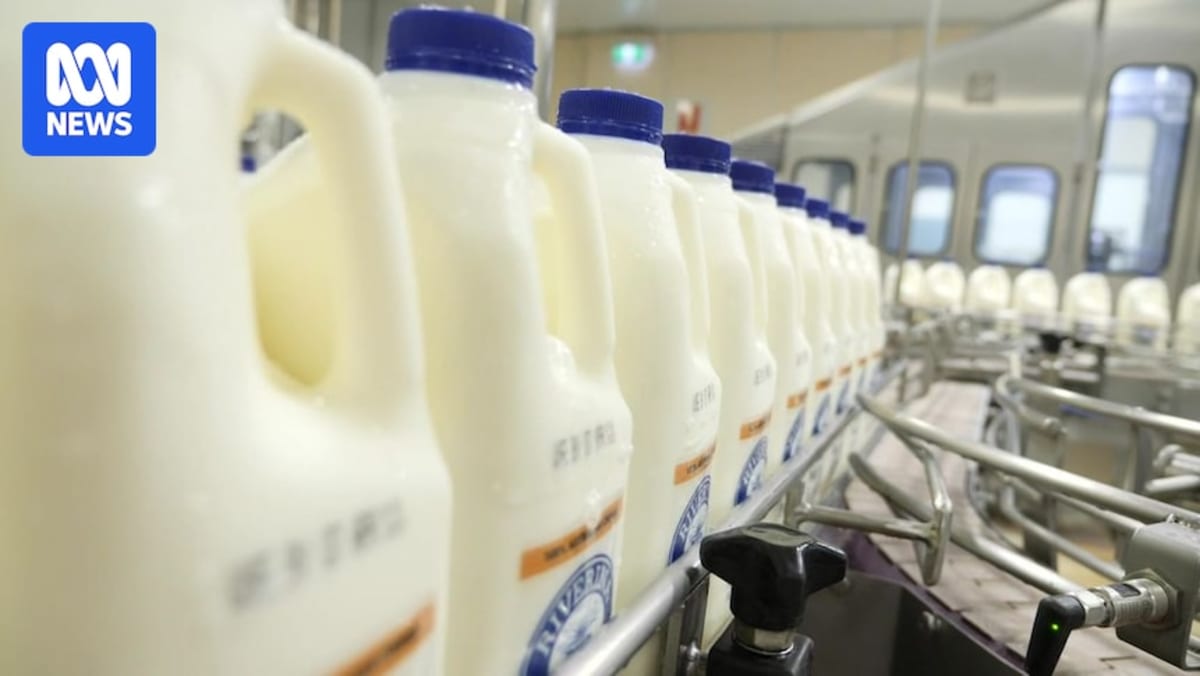
The technology measures protease, an enzyme that can ruin finished dairy products. Long-life milk is especially vulnerable to this enzyme, and it makes up at least half of all drinking milk worldwide.
Here's where it gets clever. When Cybertongue detects high protease levels, dairy companies can route that milk to less sensitive products like cheese or yogurt. They can also adjust treatment processes to ensure nothing goes to waste.
Trowell believes the technology could prevent 70 million tonnes of annual milk waste — nearly half of current losses. That's particularly important for middle-income countries without reliable refrigeration systems, where long-life milk provides essential nutrition.
The technology's roots trace back to Trowell's 30 years at CSIRO, where he led the Cybernose project. Originally designed to detect explosive vapors and assess wine quality, he adapted the concept for food safety after recognizing its broader potential.
The Ripple Effect
Since launching in 2023, Cybertongue is already used across North America, Europe, Africa, Oceania, Central Asia, and India. The global UHT milk market alone is worth close to $100 billion, making even small improvements massively impactful.
In some countries, long-life milk only stays fresh for three months instead of the standard nine to twelve. Cybertongue helps processors extend shelf life to six months, reducing waste and improving food security for millions.
The technology can also pinpoint where problematic enzymes originate — whether on farms, in supply chains, or at processing facilities. This allows producers to fix problems at the source rather than discovering issues days later.
Trowell envisions expanding beyond dairy. Future applications could test for food allergens and bacterial toxins, addressing food safety concerns that affect human health worldwide.
The company is focused on dairy quality for now, but Trowell sees multi-million-dollar opportunities ahead. What started as a way to sniff out explosives has become a potential solution to one of the world's biggest food waste problems, one glass of milk at a time.
More Images


Based on reporting by ABC Australia
This story was written by BrightWire based on verified news reports.
Spread the positivity!
Share this good news with someone who needs it