Kids Program Humanoid Robots at iCode School
Children at 18 iCode School campuses are now programming 4-foot-tall humanoid robots to high-five them, preparing for a future where AI and robotics reshape every career. The franchise is pioneering education that teaches kids not just coding, but how to work alongside artificial intelligence.
Imagine walking into a classroom where your teacher is a 4-foot-tall robot that high-fives you when you program it correctly. That's the new reality at 18 iCode School locations across the country, where kids are learning to work with humanoid robots and AI tools.
iCode School, founded in 2015 to teach coding to children, has evolved beyond traditional programming. The franchise now offers AI Studio classes and humanoid programming courses, partnering with Unitree, the world's largest humanoid robot manufacturer, to bring R1EDU Smart robots into their classrooms.
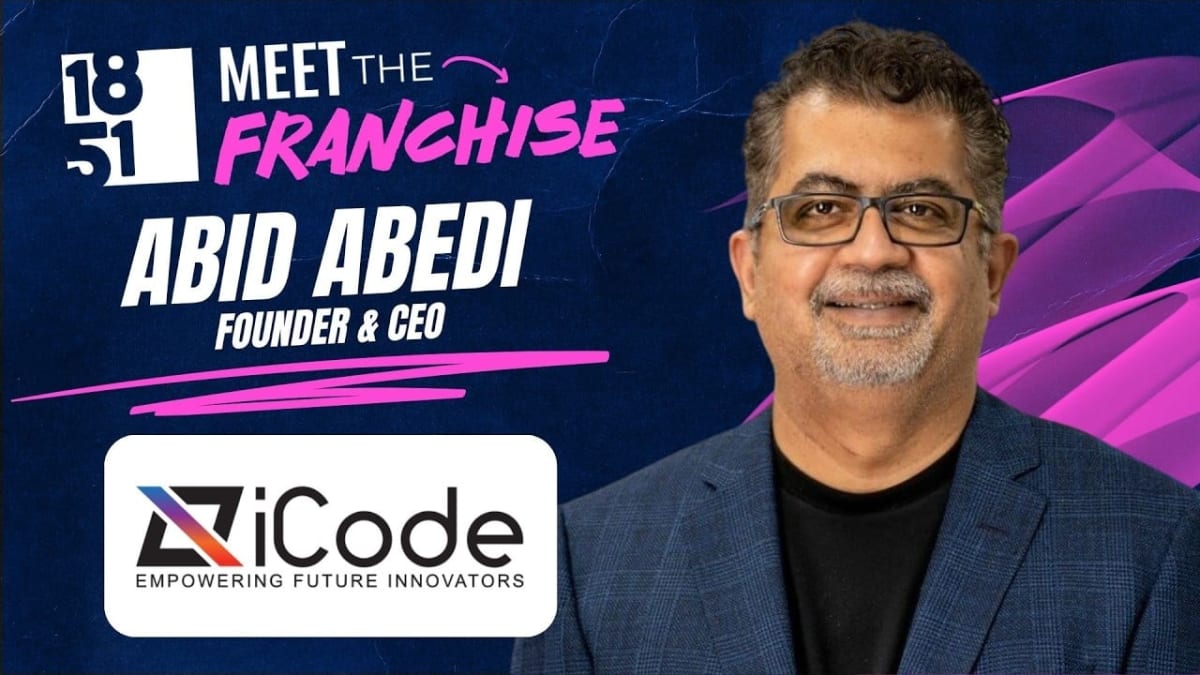
CEO and founder Abed Adebi saw the shift coming. While coding built the foundation of his business, he recognized that artificial intelligence represents the present, and humanoid robots signal the future. Rather than fear disruption, he embraced it.
"When there is a disruption, there is an opportunity," Adebi explained. "We are going through such a transformation, not only in our lives, but in the society we are about to create."
The AI Studio program teaches children how to learn with AI assistance, mirroring how adults increasingly use these tools at work. Students program the humanoid robots for basic tasks like recognizing an open palm and responding with a high-five, building foundations for more complex interactions.
But iCode's secret weapon isn't just technical training. Adebi designed the program around soft skills like collaboration, teamwork, problem-solving, and critical thinking. He learned from working with thousands of technical professionals that these human abilities matter just as much as technical knowledge.
Why This Inspires
This approach transforms how we think about education in an AI-powered world. Instead of viewing artificial intelligence as a threat to traditional learning, iCode shows how early exposure helps children become comfortable collaborating with technology.
The classrooms themselves reflect this philosophy. They're designed to feel intellectual rather than recreational, with hardware prominently displayed to spark curiosity. Adebi built a culture of experimentation where trying new technologies matters more than waiting for market validation.
"You cannot sit and wait for market validation before you do something," Adebi said. "You have to have the ability and the mindset for innovation, and failure is just part of the journey."
Parents investing in these programs are giving their children an edge. As AI tools become standard in every industry, the kids learning to work alongside robots today will enter high school and college already fluent in technologies their peers are just discovering.
The timing couldn't be better. While many adults struggle with curiosity about AI tools, children naturally embrace them. They're learning that productivity in the future means knowing how to amplify their abilities with technology, not compete against it.
iCode's pivot shows how educational companies can stay relevant by staying ahead of technological curves. What started as coding classes has evolved into comprehensive tech literacy that prepares students for careers that don't even exist yet.
These kids programming robots to high-five them today are building skills they'll use to shape tomorrow's society.
Based on reporting by Google News - School Innovation
This story was written by BrightWire based on verified news reports.
Spread the positivity!
Share this good news with someone who needs it