Cancer Detective's 60-Year Quest Saved Countless Families
A doctor who got too queasy to be a surgeon became one of medicine's greatest cancer detectives, discovering a genetic mystery that transformed how we understand and treat hereditary cancers. Joe Fraumeni's work continues saving lives decades after his groundbreaking discovery.
When Joe Fraumeni nearly fainted watching surgery as a medical student in the 1950s, he had no idea that walking out of that operating room would change cancer research forever.
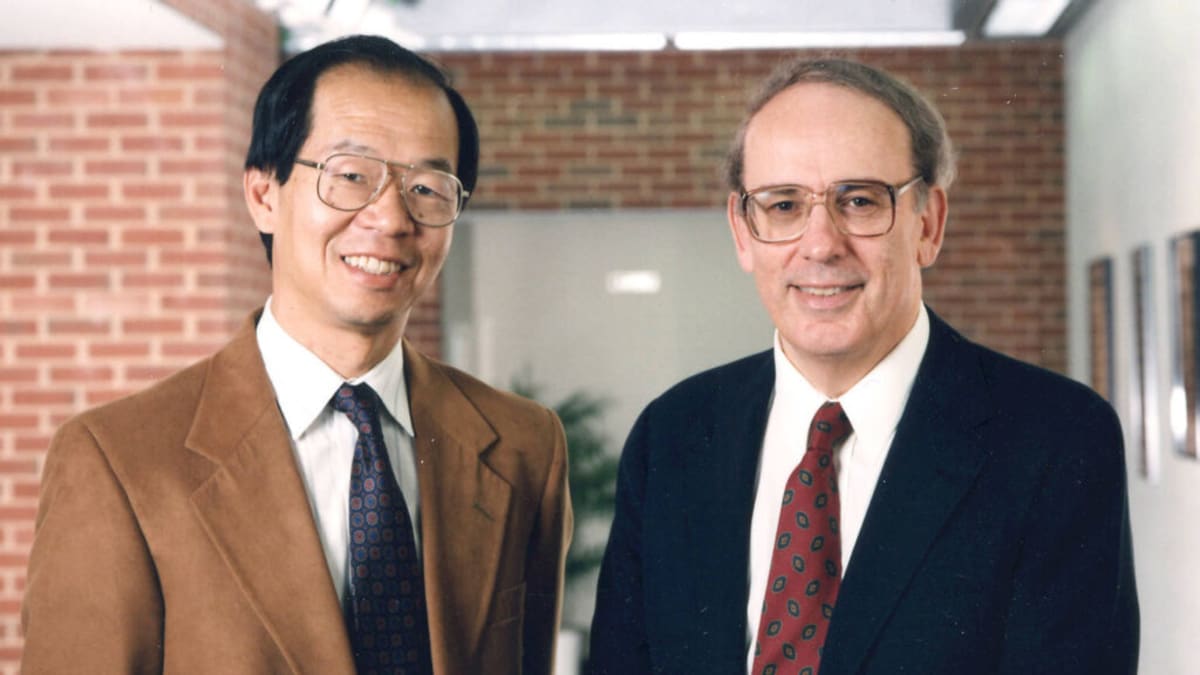
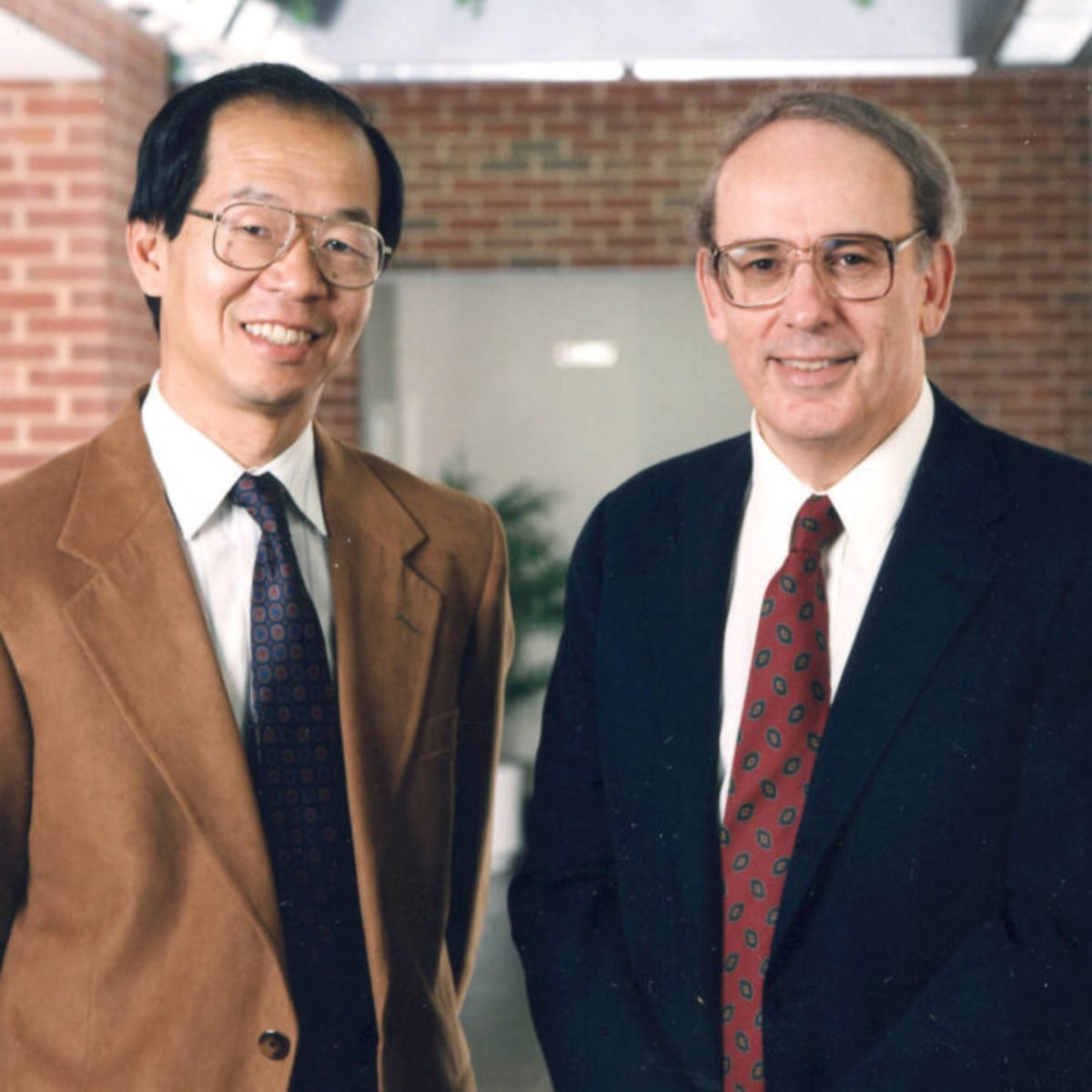
The young doctor switched paths and became an epidemiologist at the National Cancer Institute. In the late 1960s, he and colleague Frederick Pei Li encountered something that seemed impossible: a 23-year-old father with leukemia whose 10-month-old son had a rare soft-tissue cancer.
The odds of both cases happening in one family were astronomical. But instead of dismissing it as terrible luck, Fraumeni and Li followed their curiosity like medical detectives.
They tracked down hospital records and death certificates across the country, uncovering generations of family members struck by different cancers at all ages. In 1969, they published a paper suggesting an unknown genetic syndrome might be responsible.
Most experts were skeptical. The idea that seemingly unrelated cancers could share a common genetic cause was radical at the time.
But Fraumeni and Li persisted for more than two decades. In 1990, researchers finally proved them right by discovering that mutations in the p53 gene caused the pattern they'd spotted.
The rare condition was named Li-Fraumeni syndrome in their honor. The p53 gene is now the most studied gene in the human body and known as the "guardian of the genome" for its role in regulating cell growth.
The Ripple Effect
Fraumeni's detective work opened entirely new doors in cancer treatment and prevention. Today, affordable genetic testing helps identify family members who carry the mutation before cancer develops.
A rigorous screening protocol developed by Fraumeni's protege David Malkin now catches cancers at early stages when they're most treatable, giving patients precious extra years with their families. CRISPR gene-editing technology offers hope that future treatments could repair damaged p53 genes entirely.
What made Fraumeni truly special wasn't just his brilliant mind. He published over 900 scientific papers, including some in his 90s, but he never forgot the suffering families behind the research.
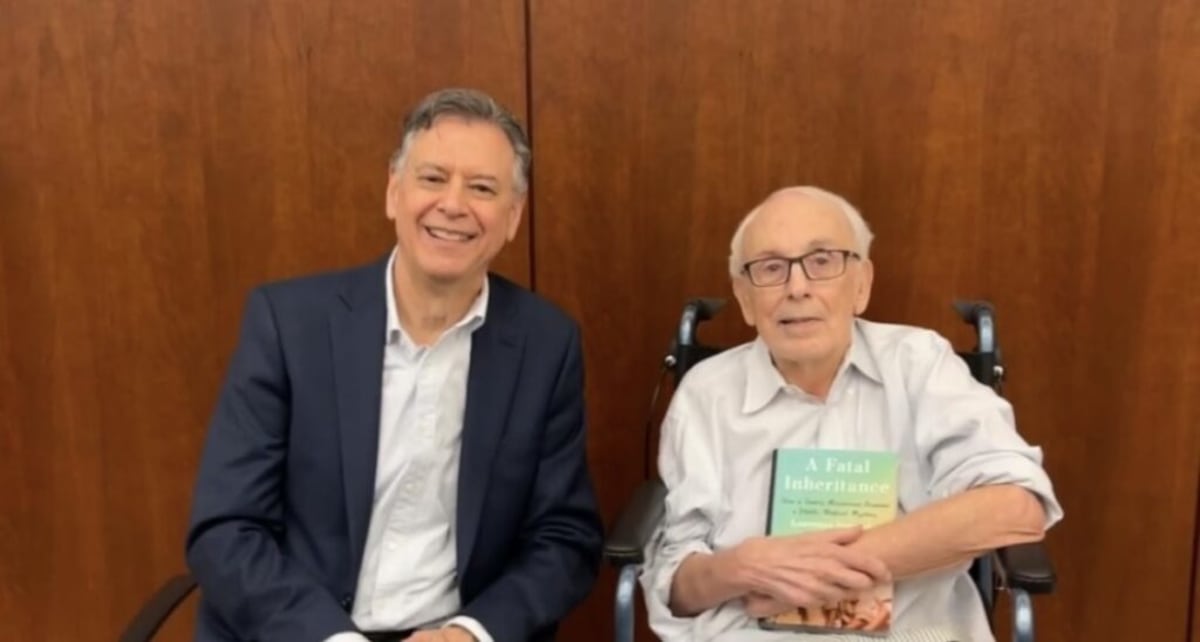
Author Lawrence Ingrassia lost his mother, three siblings, and a nephew to Li-Fraumeni syndrome. When they first met in 2020, Fraumeni spent hours patiently explaining complex genetics to a retired business journalist who knew nothing about the field.
Over the following years, Fraumeni called Ingrassia unprompted to check in and offer help. He sent research articles and explained them in plain language, always emphasizing that medical breakthroughs are team efforts.
When Ingrassia spoke at the National Cancer Institute after publishing his book "A Fatal Inheritance," dozens of renowned researchers showed up to honor Fraumeni, who arrived in a wheelchair at age 91. The open display of affection revealed how deeply this quiet public servant had touched the scientific community.
Fraumeni died on June 22 at age 93 after spending his entire career at the National Cancer Institute as a public servant. His life's work transformed our understanding of cancer genetics and gave hope to thousands of families facing devastating diagnoses.
The doctor who was too squeamish for surgery ended up saving more lives than most surgeons ever could.
More Images

Based on reporting by STAT News
This story was written by BrightWire based on verified news reports.
Spread the positivity!
Share this good news with someone who needs it