Cancer Drug Discovery Launches $50M Diabetes Startup
A leukemia treatment accidentally revealed a promising new path to controlling blood sugar. Now scientists are turning that surprise discovery into a fully funded diabetes drug company.
Scientists hunting for better cancer treatments just stumbled onto something unexpected that could help millions of people with diabetes.
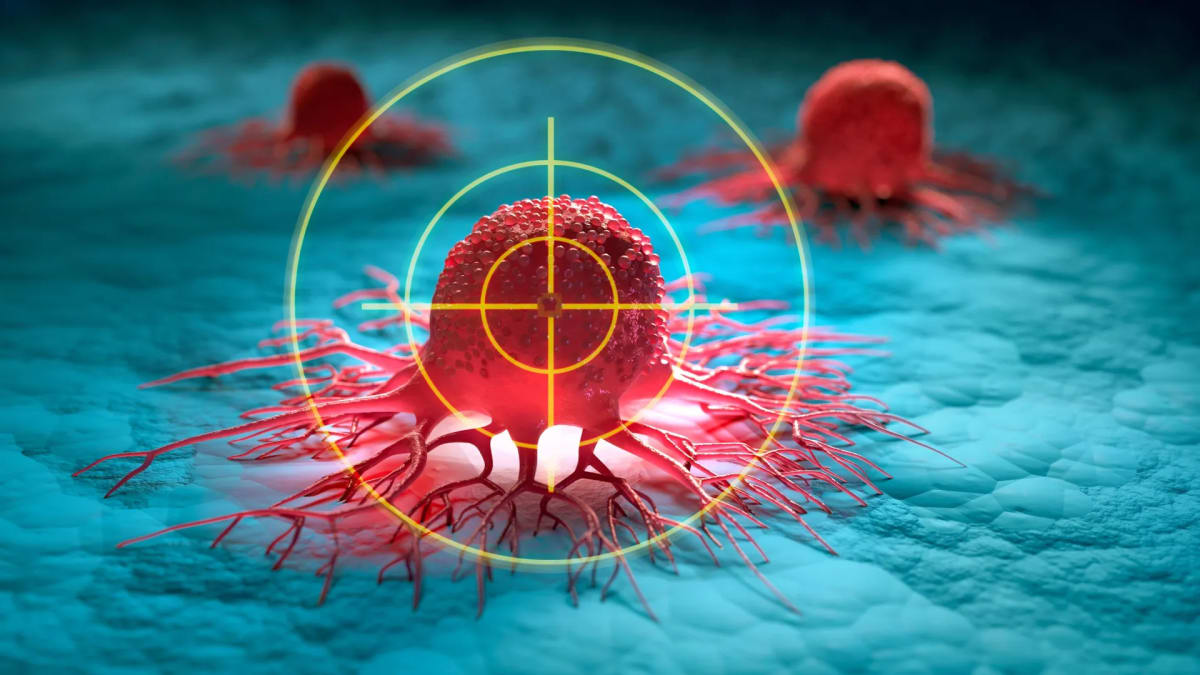
Kura Oncology was developing drugs to stop leukemia cells from growing when researchers noticed something remarkable in their lab studies. The same protein they were targeting to fight cancer also helped control blood sugar levels in animals.
That surprise finding is now becoming Caspian Therapeutics, a brand new company launching with $50 million to develop diabetes treatments. The funding came from BVF Partners, pharmaceutical giant Eli Lilly, and Kura's own leadership team.
The science centers on a protein called menin, which plays a role in how cells divide and communicate. When researchers blocked menin to slow leukemia growth, they discovered it had a bonus effect on metabolism that nobody expected.
Caspian plans to use the initial funding to test its lead drug candidate in early human trials for diabetes. The company will also work on developing a second experimental treatment for related heart and metabolic conditions.
Robert Spencer, formerly CEO of Neurommune Therapeutics and a veteran of Merck's drug discovery programs, will lead Caspian as its chief executive. Troy Wilson, who heads Kura Oncology, will chair the new company's board while Kura maintains roughly half ownership.
The Ripple Effect
This kind of accidental discovery has transformed medicine before. Drugs initially developed for one condition often reveal unexpected benefits that open entirely new treatment possibilities.
The $50 million investment signals real confidence from both venture capitalists and a major pharmaceutical company that this approach could work. Eli Lilly's involvement is particularly meaningful since the company has deep expertise in diabetes care spanning nearly a century.
For the estimated 537 million adults worldwide living with diabetes, a new class of treatments targeting a completely different biological pathway could offer fresh hope. Current diabetes medications work through well-established mechanisms, so a menin-blocking approach would give doctors an entirely new tool.
The transition from cancer research to diabetes treatment also shows how interconnected our biology really is. The same cellular processes that go wrong in cancer can affect how our bodies handle sugar and energy.
Caspian's researchers now face the critical work of proving their lab findings translate to real benefits for people, but they're starting with solid science and serious backing.
More Images



Based on reporting by STAT News
This story was written by BrightWire based on verified news reports.
Spread the positivity!
Share this good news with someone who needs it