Cancer Leaders Launch Microbiome Research "Moonshot
The nation's top cancer centers just gathered with federal health leaders to accelerate research into the trillions of microorganisms in our bodies that could revolutionize how we prevent and treat cancer. The meeting marks a major push to make microbiome science a national priority.
Scientists believe the microscopic organisms living inside us could hold the key to transforming cancer care, and America's leading health institutions just made it a national priority.
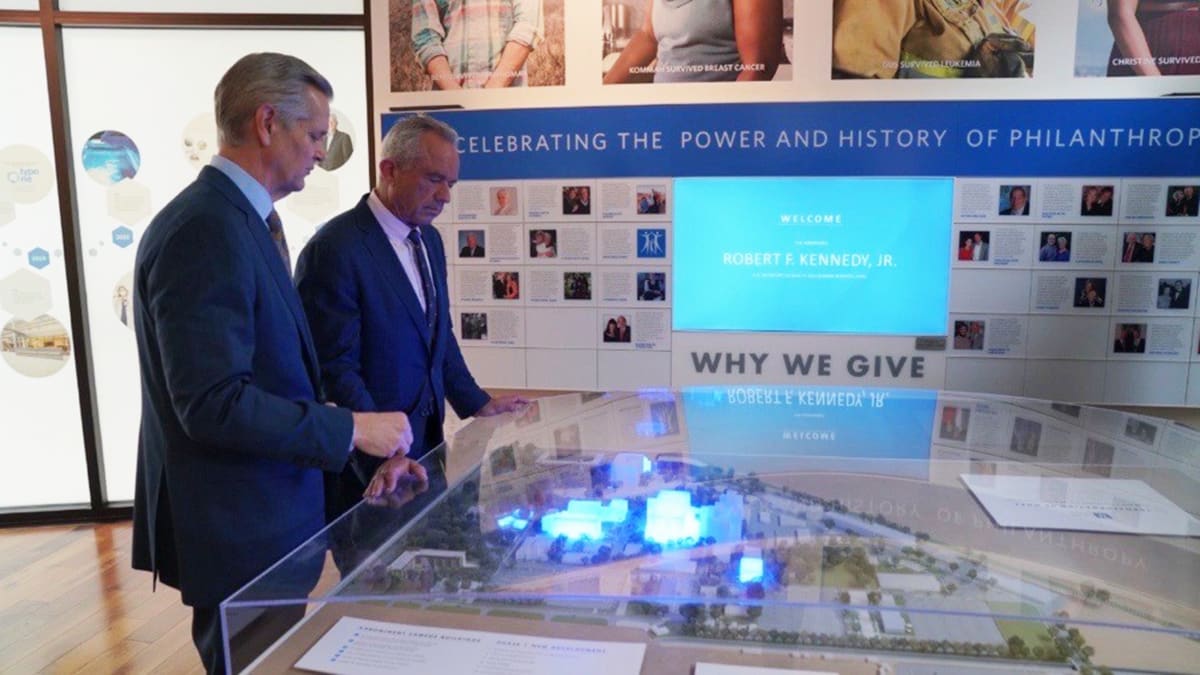
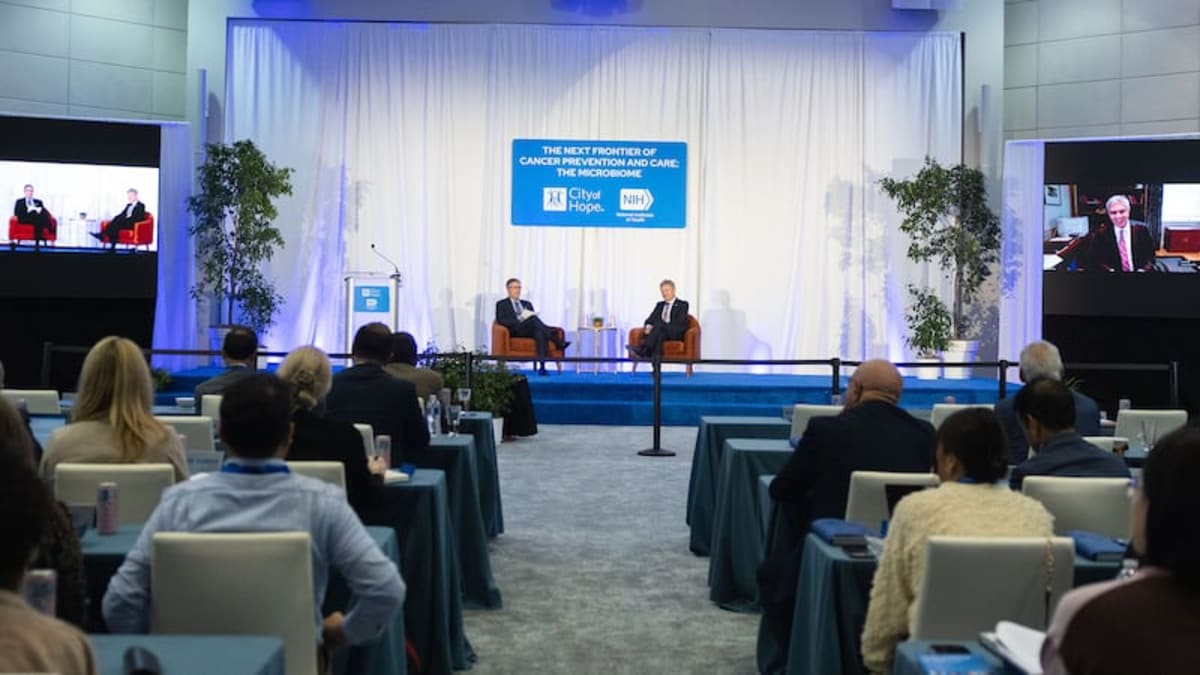
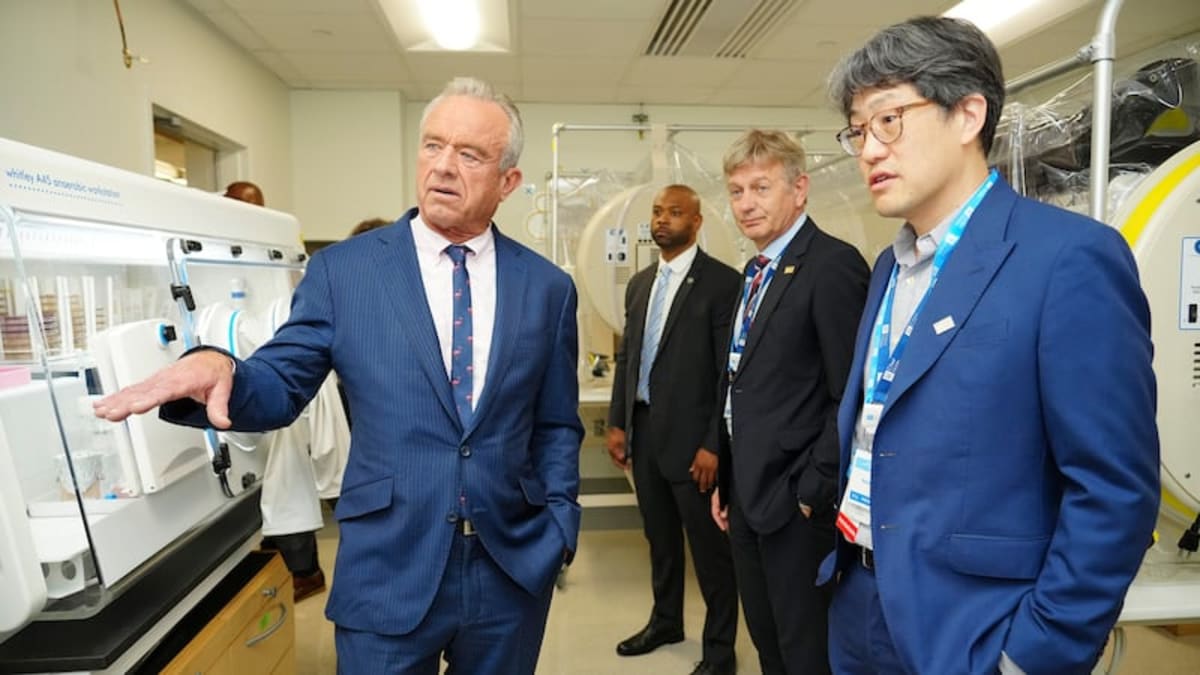
City of Hope brought together HHS Secretary Robert F. Kennedy Jr., NIH Director Dr. Jay Bhattacharya, and researchers from the country's top cancer centers for a groundbreaking symposium on microbiome science. The focus: understanding how trillions of tiny organisms in and on our bodies affect cancer risk, treatment response, and long-term survival.
The microbiome is essentially an invisible ecosystem inside each of us, shaped largely by what we eat. These microorganisms communicate with our immune system and appear to play a crucial role in how our bodies fight disease.
"The microbiome is the key to future health," Secretary Kennedy told attendees, calling it America's "space race moment." He championed making microbiome research a national moonshot priority, noting that scientists believe it could even help reverse chronic diseases.
Dr. Bhattacharya emphasized the need for rigorous research and easier pathways for scientists to test their ideas. "The best investments would be in basic science and to develop clinical trial networks that reach out to all parts of the United States," he said.
Why This Inspires
This collaboration represents a rare moment of unity in medical science. Researchers from Memorial Sloan Kettering, MD Anderson, Fred Hutch, and other leading institutions are pooling their knowledge to crack one of medicine's biggest puzzles: why the same treatment works brilliantly for some cancer patients but fails for others.
The answer may lie in our guts. City of Hope is already applying microbiome insights to help bone marrow transplant patients, improving immune recovery and treatment tolerance through targeted nutrition and supportive therapies.
Dr. Marcel van den Brink, president of City of Hope National Medical Center, explained they're studying how the microbiome, diet, immune function, and cancer treatment interact. The goal is translating discoveries into practical help for patients right now.
City of Hope pioneered this approach a decade ago by transforming hospital food. They banned trans fats, eliminated artificial dyes and high-fructose corn syrup, and prioritized whole, minimally processed foods. Their research shows healthier hospital diets are linked to fewer complications and better survival rates.
But scientists admit they're still learning. "Physicians are still winging it in a sense," Dr. van den Brink acknowledged, calling for more rigorous science to properly guide patients.
Dr. Bhattacharya painted an optimistic picture of the future: "Future generations of doctors are not going to just think about drugs or surgery, it's going to change everything. We'll have a much healthier, happier society as a result of improvements in this field."
The symposium's message was clear: when cancer centers, federal agencies, and researchers work together, breakthroughs happen faster, and more patients benefit.
More Images
Based on reporting by Google: scientific discovery
This story was written by BrightWire based on verified news reports.
Spread the positivity!
Share this good news with someone who needs it