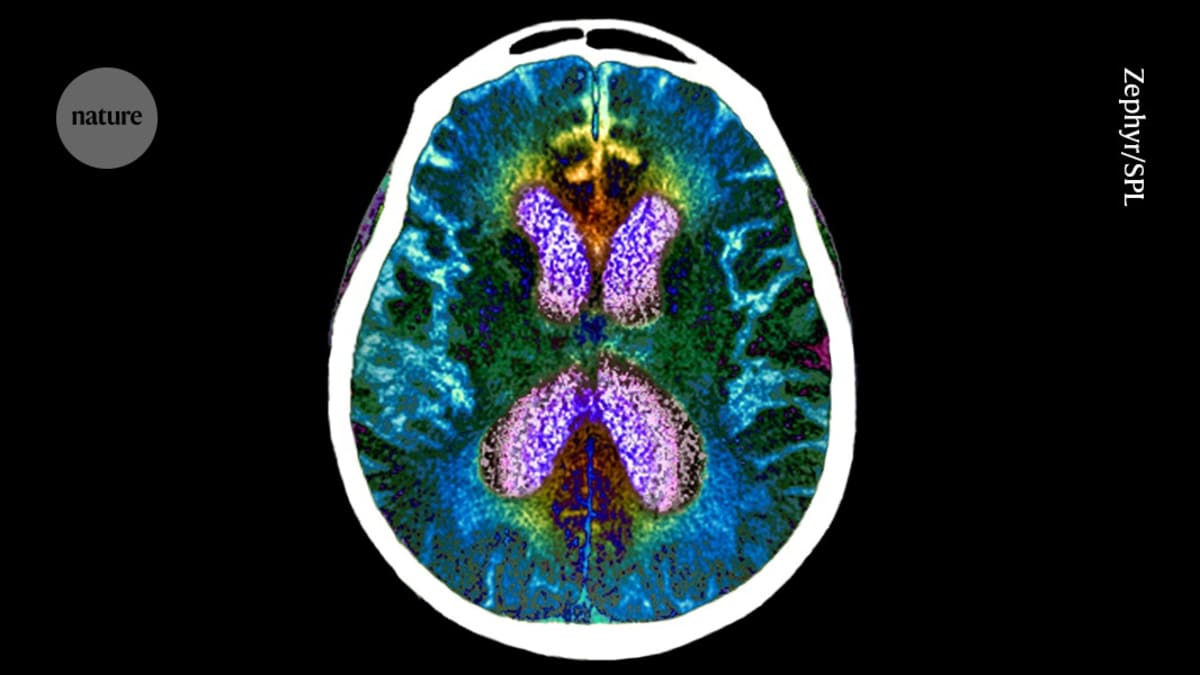
Cancer Trial: 100% Remain Cancer-Free After 3 Years
Every single patient in a groundbreaking bowel cancer trial remains cancer-free nearly three years after treatment, flipping the script on standard care. The experimental immunotherapy worked so well that more than half showed no cancer by surgery.
Thirty-two bowel cancer patients just reached a milestone that seemed impossible three years ago: every one of them is still cancer-free after a revolutionary treatment approach.
Researchers at University College London tested a bold idea. Instead of surgery followed by months of grueling chemotherapy, they gave patients with stage 2 and 3 bowel cancer a drug called pembrolizumab before their operations.
The catch? It only worked for patients with a specific genetic profile found in 10% to 15% of bowel cancer cases. These patients have a faulty DNA repair system that makes their tumors more visible to immunotherapy drugs.
The results shocked even the researchers. After up to nine weeks of treatment, 59% of patients had no detectable cancer left by the time they arrived for surgery. The rest still had traces, but those traces never grew or spread.
Now, 33 months later, not a single patient has seen their cancer return. Compare that to the old approach, where about one in four patients with this genetic profile would relapse within three years.
Dr. Kai-Keen Shiu, the study's lead investigator, called the zero recurrence rate "extremely encouraging." His team used personalized blood tests that hunt for tiny fragments of tumor DNA, allowing them to predict who would respond best to treatment.
Why This Inspires
This isn't just about shrinking tumors faster. It's about sparing patients from months of chemotherapy and its brutal side effects while achieving better outcomes.
The blood tests that track tumor DNA could help doctors tailor treatment to each patient. Some might need less therapy before and after surgery, while others might benefit from different approaches entirely.
Yes, this was a small trial of just 32 people with a specific genetic profile. Doctors need longer follow-up to be absolutely certain the cancer won't return. But the direction is clear: personalized cancer treatment isn't science fiction anymore.
For the 10% to 15% of bowel cancer patients with this genetic profile, there's now real hope for a gentler, more effective path forward.
More Images


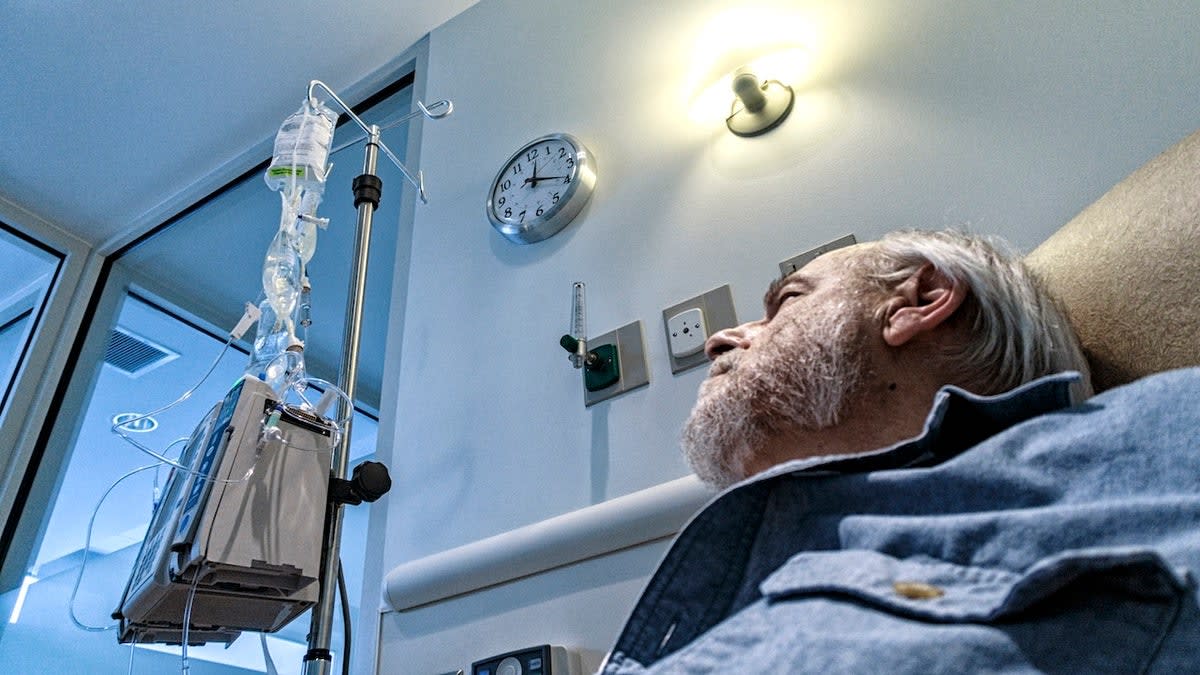

Based on reporting by Fox News Health
This story was written by BrightWire based on verified news reports.
Spread the positivity!
Share this good news with someone who needs it