MIT Scientists Find Personalized Rett Syndrome Treatments
Researchers discovered that different mutations in Rett syndrome require different treatments, opening the door to personalized medicine for children with this developmental disorder. Using advanced brain tissue models, they successfully tested mutation-specific therapies that could help thousands of patients.
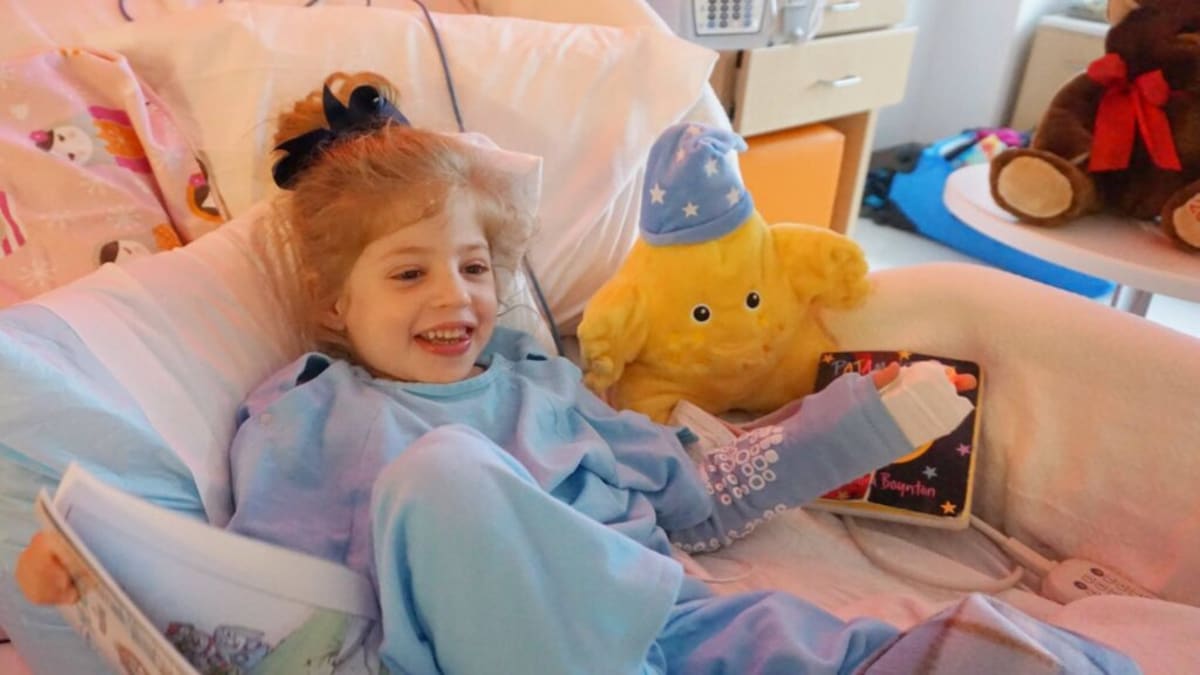
Scientists at MIT just made a breakthrough that could transform treatment for children with Rett syndrome, a devastating developmental disorder affecting roughly 1 in 10,000 girls worldwide.
The research team discovered that not all Rett syndrome cases are the same. Two different mutations in the same gene caused completely different problems in brain development, and each responded to different treatments.
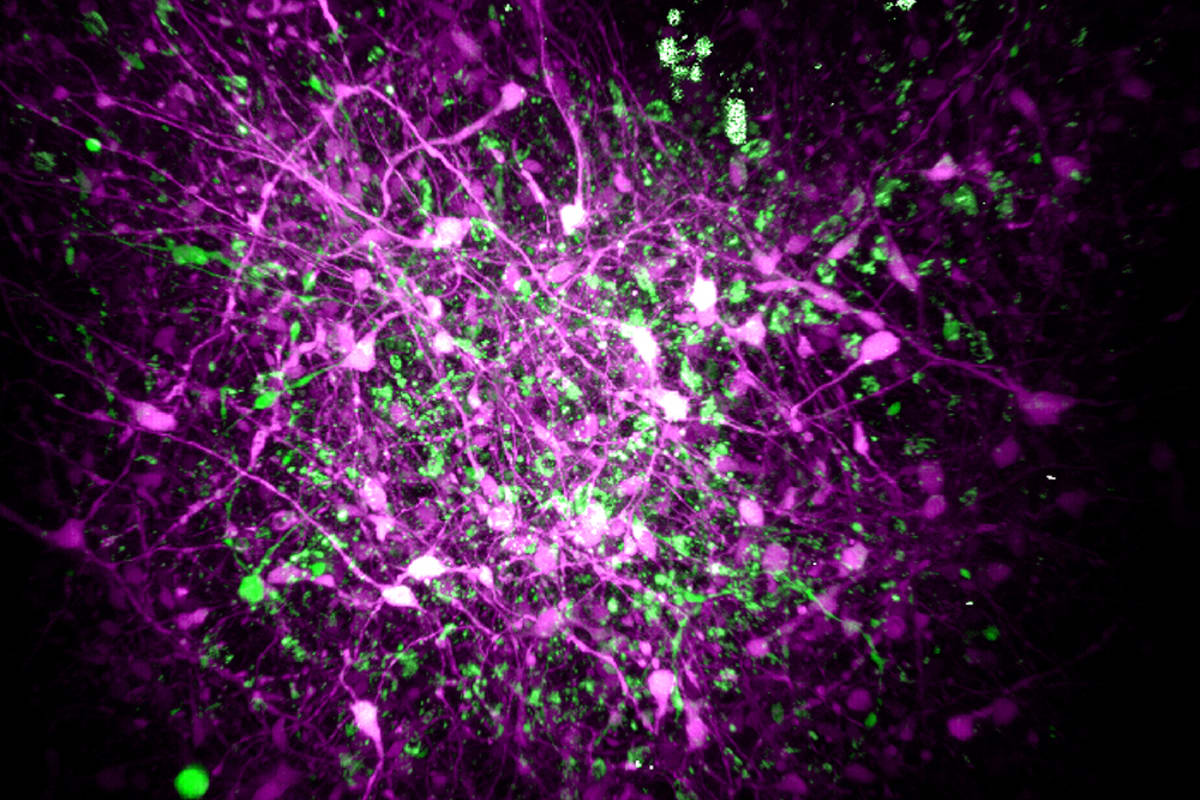
Professor Mriganka Sur and his team at The Picower Institute for Learning and Memory grew miniature brain tissue cultures from skin and blood cells donated by Rett syndrome patients. These "organoids" allowed them to watch exactly how each genetic mutation changed the way brain circuits developed over three months.
The results surprised them. One mutation called R306C, which affects 7 to 8 percent of Rett patients, caused specific problems with how brain networks processed information. Another rarer mutation, V247X, caused the opposite problem in network structure, plus additional issues with how different types of neurons connected to each other.
Lead scientist Tatsuya Osaki used cutting-edge microscopes that could see through the entire thickness of the mini-brains at cellular detail. The team watched neurons light up in real time, tracking how they fired and communicated differently based on which mutation they carried.
To make sure their lab findings matched real patients, the researchers partnered with Boston Children's Hospital to measure brain wave patterns in children with Rett syndrome. The patterns they found in actual patients mirrored what they saw in the organoids.
Here's where it gets really exciting. The team identified exactly which molecular pathways went wrong in each mutation type. In R306C organoids, a gene called HDAC2 was overactive. In V247X organoids, different genes were misbehaving.
Why This Inspires
This research represents a fundamental shift in how we think about treating genetic disorders. For years, scientists approached Rett syndrome as one condition requiring one treatment. This study proves that personalized medicine works even when patients share the same diagnosis.
The team successfully tested mutation-specific treatments in their lab models. Each therapy targeted the exact molecular problems caused by each mutation, not just the general loss of the MECP2 gene.
More than 800 different mutations can cause Rett syndrome, but just eight account for over 60 percent of cases. That means this personalized approach could help the majority of patients get treatments designed specifically for their genetic profile.
The implications stretch far beyond Rett syndrome. This same strategy of matching treatments to specific mutations could revolutionize care for other single-gene disorders affecting millions of people worldwide.
Families who've watched their children struggle with Rett syndrome now have real hope that better, targeted treatments are on the horizon.
Based on reporting by MIT News
This story was written by BrightWire based on verified news reports.
Spread the positivity!
Share this good news with someone who needs it