Cancer Trial Lets 400 Patients Skip Major Surgery
A groundbreaking international trial shows that four out of five early-stage rectal cancer patients avoided life-altering surgery by using targeted chemotherapy and radiotherapy instead. The results could transform treatment for thousands diagnosed each year.
Imagine being told you have cancer and that treatment means losing an organ and likely living with a permanent colostomy bag. Now imagine there's another way.
A major international trial led by the Universities of Leeds and Birmingham just changed the game for rectal cancer patients. More than 400 people with early-stage rectal cancer received targeted chemotherapy and radiotherapy instead of surgery, and four out of five avoided major operations entirely.
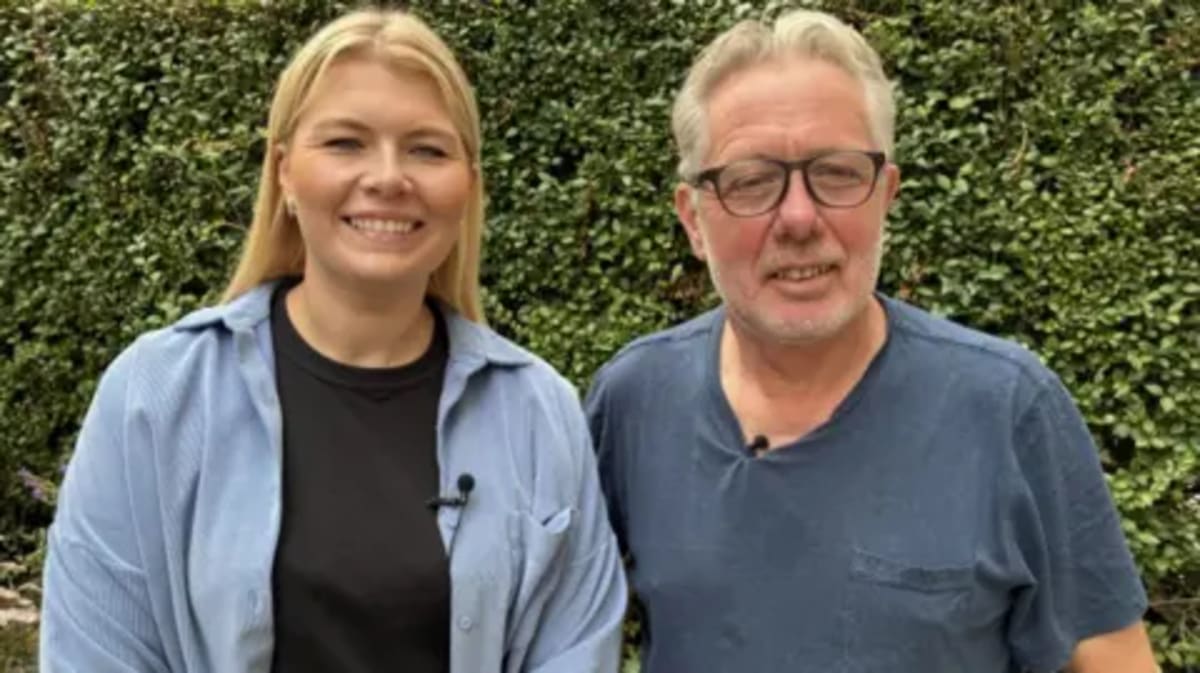
Hugh Chown from Harrogate was one of them. At 65, he received his rectal cancer diagnosis after noticing occasional bleeding. His doctor explained the standard treatment would likely leave him with a permanent colostomy bag.
Then she told him about the trial. Hugh took tablets twice daily and received radiotherapy five days a week for five weeks. He experienced fatigue that peaked during week three and lingered for months, but it was nothing compared to major surgery.
"The consultant said I'd had a perfect result and the cancer was gone," Hugh said. His last checkup in May showed he remained cancer free.
Hugh's first wife died from bowel cancer at age 41. His daughter Rachel, now 33 and working in cancer research, supported him through treatment. "Outcomes now are very different," she said. "I felt strongly that the trial was his best option."
The STAR-TREC trial, published in Lancet Oncology and funded by Cancer Research UK, represents a seismic shift. Around 14,000 people receive rectal cancer diagnoses in the UK each year. One in three are caught early, when this approach works best.
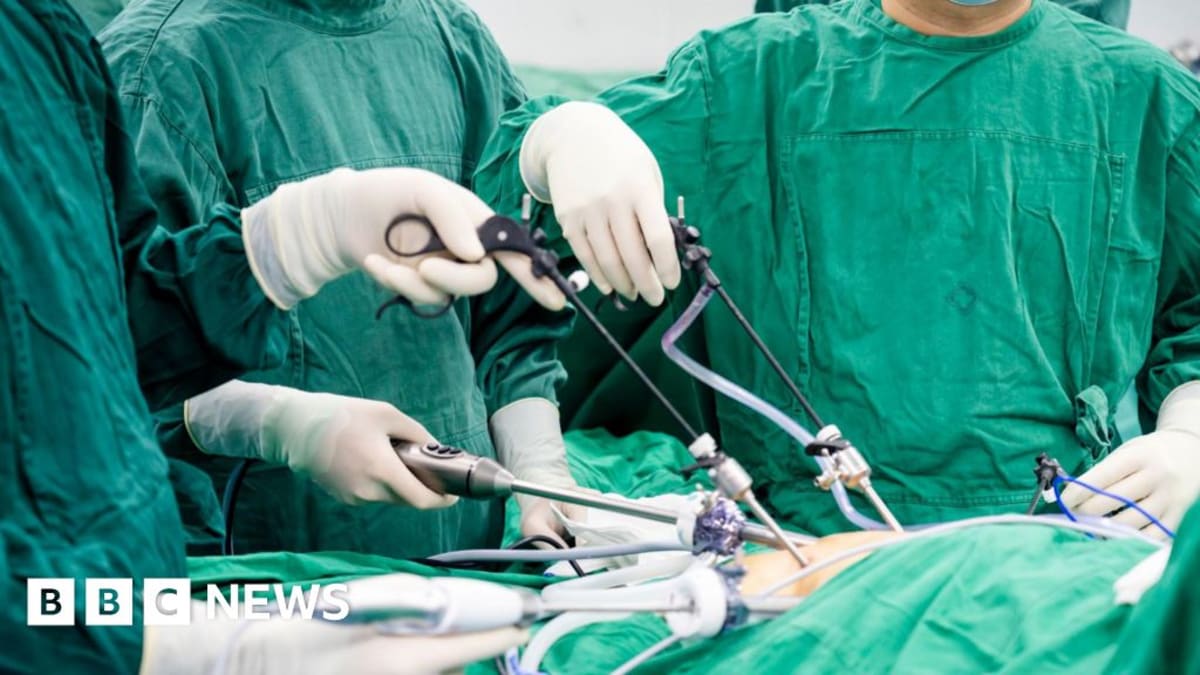
Traditional surgery removes the entire rectum, surrounding fat, and lymph nodes. It cures cancer effectively but carries life-changing consequences that patients have accepted as the necessary price for survival.
The Bright Side
Professor Simon Bach at UCL put it perfectly. "For decades, patients have been asked to accept the loss of their rectum as the price for curing cancer. What these results suggest is that for many people, this price no longer has to be paid."
The trial's results held strong for 12 months, with patients whose cancer wasn't completely eliminated receiving targeted surgical procedures to remove only affected areas. Researchers are following patients for 30 months, with longer-term results expected in 2027.
Michelle Mitchell, Cancer Research UK's chief executive, called the breakthrough "life-changing for thousands of people." Better bowel screening means more cancers caught early, exactly when this gentler approach works best.
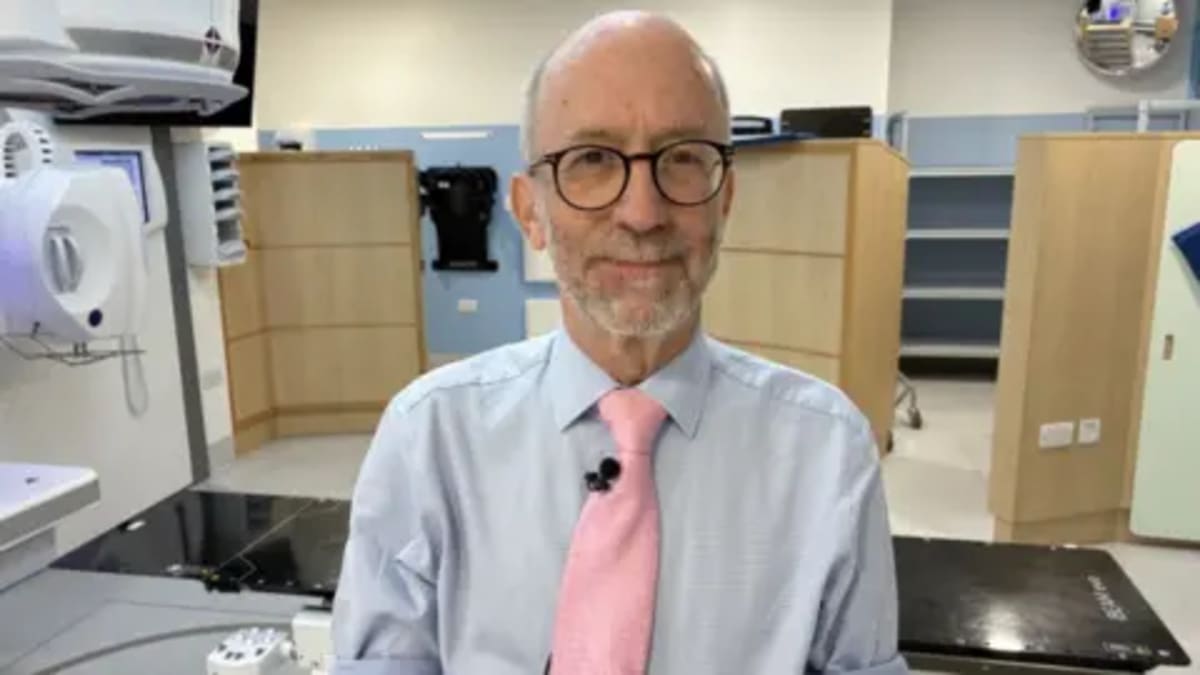
Professor David Sebag-Montefiore described the findings as proof that "smarter, kinder radiotherapy treatment" can deliver cures without devastating side effects. The targeted approach caused relatively few severe short-term problems.
For Hugh and hundreds like him, the trial didn't just treat cancer—it preserved their quality of life while doing it.
More Images
Based on reporting by Google News - New Treatment
This story was written by BrightWire based on verified news reports.
Spread the positivity!
Share this good news with someone who needs it