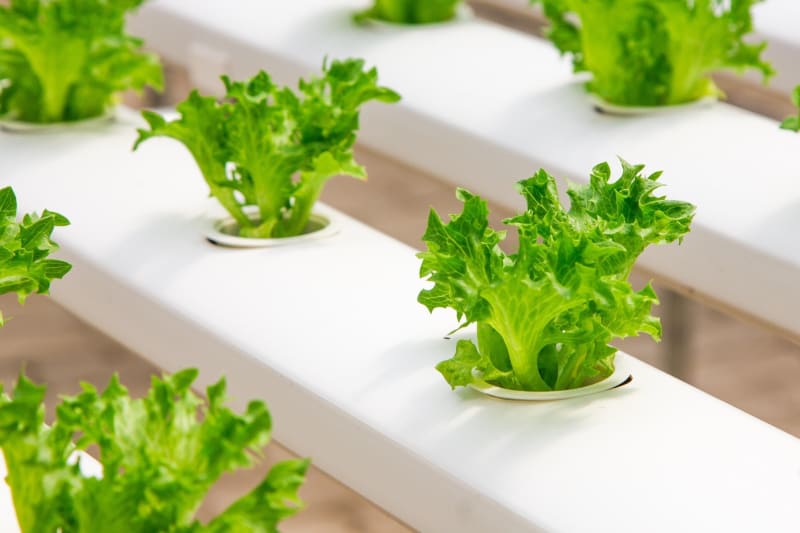
Cape Town Farms Use 90% Less Water Growing Food in Cities
In Cape Town's Langa township, 20 farmers are proving that hydroponic farming can grow fresh vegetables using barely any water or land. The soil-free system could transform how water-scarce cities feed their communities. #
Fresh lettuce, spinach, and basil are sprouting in one of Cape Town's oldest townships, grown without a single handful of soil or traditional farmland.
Twenty farmers in Langa, a working-class community established during apartheid, recently completed training in hydroponic farming at the Handpicked City Farm. Six months later, they're harvesting crops that use 90% less water than traditional farming and take up 99% less space.
Urban geographer Tinashe Kanosvamhira studied these farmers to understand whether hydroponics could solve food security challenges in Cape Town. What he found offers hope for cities worldwide facing water scarcity and shrinking green spaces.
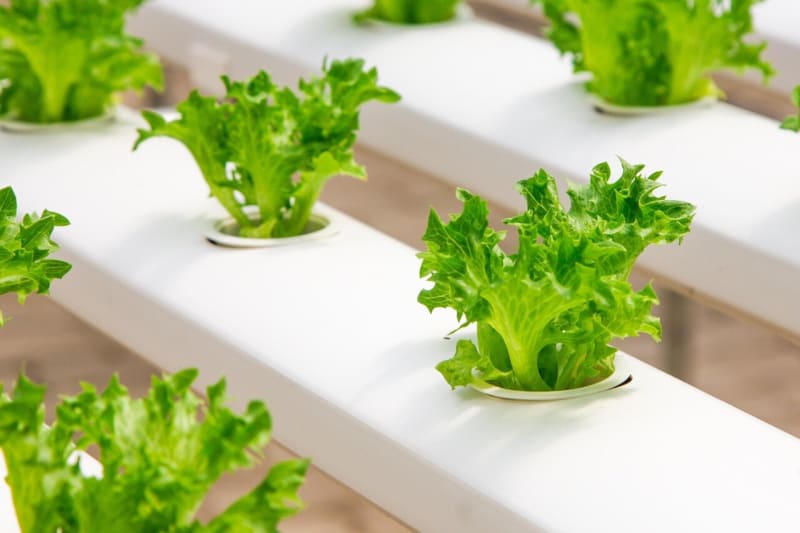
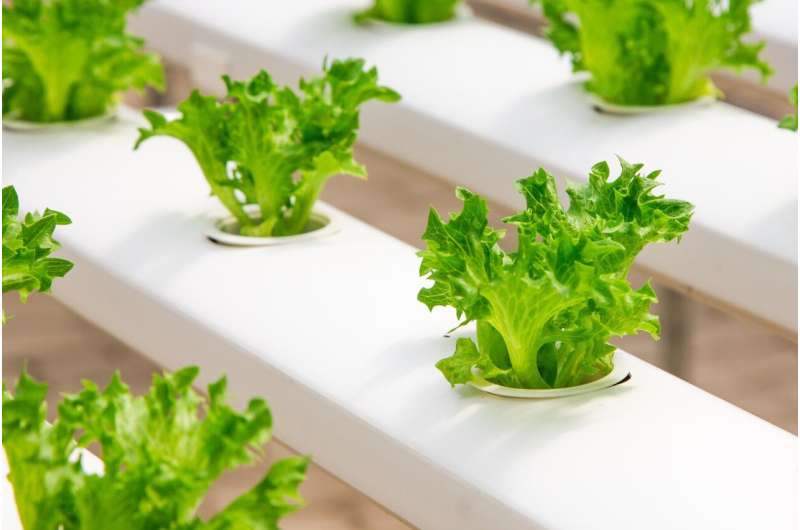
The farmers grow their crops in stacked layers using nutrient-rich water instead of soil. One farmer shared that she only waters her plants once every two days, depending on weather conditions. In a city that has experienced droughts lasting up to three years, that efficiency matters.
The controlled environment gives farmers something many never had before: predictability. They're no longer dependent on unpredictable weather or poor soil quality. Temperature, humidity, and light can all be regulated, allowing year-round growing seasons.
Within six months, the Langa farmers successfully grew lettuce, spinach, spring onions, tomatoes, and herbs including basil, thyme, and mint. They even cultivated edible flowers like nasturtium and marigold. Some hydroponic systems can yield ten times more produce than traditional methods.
The technology works particularly well for fast-growing crops like lettuce and herbs. These systems can be set up on rooftops, in abandoned warehouses, or unused urban spaces. Similar projects are already thriving in Johannesburg's city center and in vertical farms across the United States.
The Ripple Effect
The impact extends beyond individual harvests. In Langa, where many households depend on informal food networks, government grants, and irregular income, fresh produce has been hard to access. Hydroponic farming brings nutritious food directly into communities that need it most.
The success in Cape Town mirrors findings from India, where research showed hydroponics could dramatically improve food security when farmers receive proper training and government support. Cities grappling with rapid urbanization and climate change are discovering that farming doesn't require sprawling fields.
Challenges remain. The initial setup costs for equipment, nutrients, and infrastructure can be steep. Without reliable electricity and water supplies, maintaining the controlled conditions becomes difficult. The system works best for smaller crops, not larger staples like maize that many South African families depend on.
Kanosvamhira's research points to a clear path forward: make the technology affordable, provide comprehensive training, include hydroponics in city planning, and offer long-term support. When these pieces come together, water-scarce cities with dense populations can transform unused spaces into thriving food sources.
The farmers in Langa are already proving what's possible when innovation meets community need.
#
More Images

Based on reporting by Phys.org
This story was written by BrightWire based on verified news reports.
Spread the positivity!
Share this good news with someone who needs it