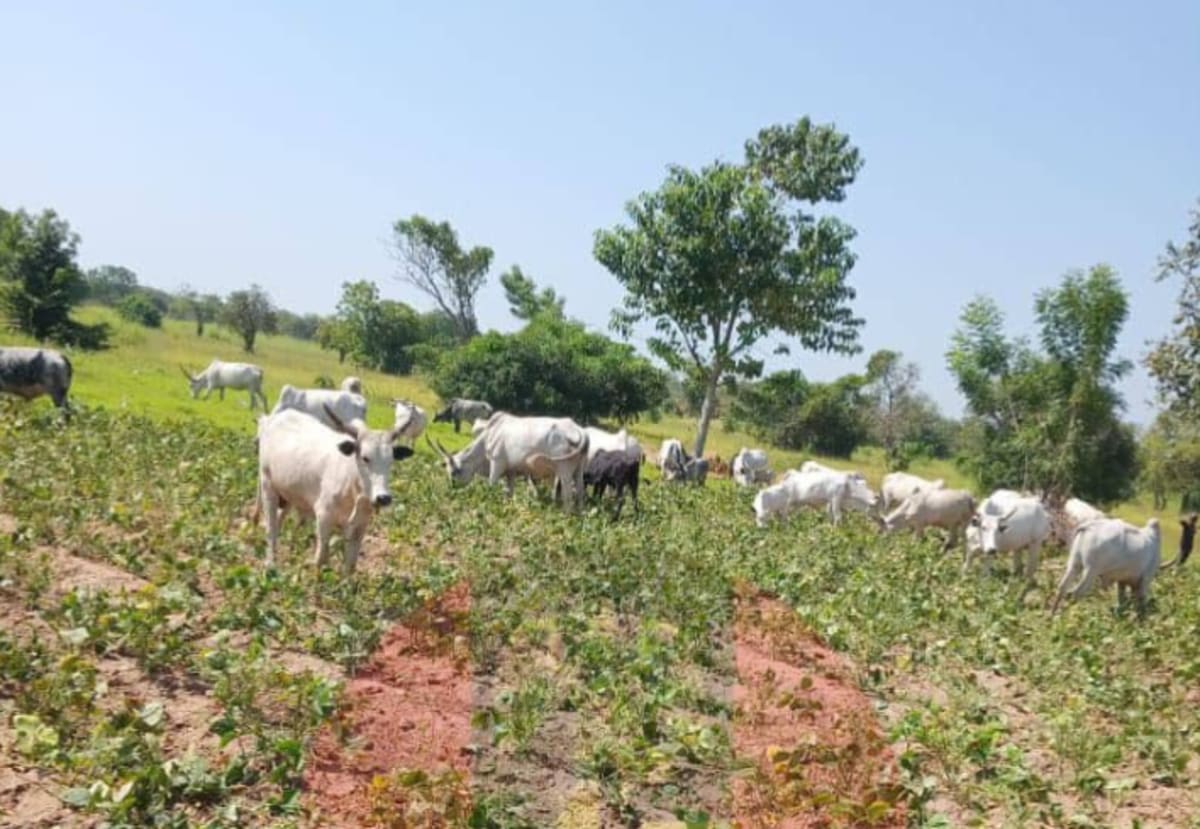
Nigeria Revives 417 Grazing Reserves to End Farm Conflicts
Nigeria is modernizing hundreds of abandoned grazing reserves and launching new ranches to stop deadly clashes between farmers and herders. The ambitious plan includes $1.5 billion in international investment and aims to transform the country's livestock sector.
After years of violent clashes between farmers and cattle herders that have claimed thousands of lives, Nigeria is taking bold action to end the conflict through infrastructure instead of force.
The Nigerian government has launched a nationwide effort to revive 417 grazing reserves and establish modern ranches across the country. Idris Ajimobi, Senior Special Assistant to the President on Livestock Development, announced that work has already begun on the Kawu Grazing Reserve in Abuja, with teams now auditing existing reserves nationwide.
The strategy addresses a core problem: herders have been forced to move their cattle across farmland because traditional grazing areas fell into disrepair. This created tragic confrontations that devastated rural communities.
"It's not just about teaching farmers modern ways of farming," Ajimobi explained during a press briefing in Ibadan. "If we teach without providing the necessary infrastructure, we are wasting our time."
The government's approach combines updating old reserves with building new ranching systems modeled after successful programs in other countries. Private sector partners and international organizations have already signed on to support the revival projects.
President Bola Tinubu's administration has backed the initiative with concrete commitments, including creating a dedicated Ministry of Livestock Development. The president set an ambitious nutritional goal: every Nigerian child should have access to milk and one egg daily.
International investment is pouring in. JBS, the world's largest beef processor, committed $1.5 billion to the sector. France signed a cooperation agreement on livestock and agriculture, while the UK pledged £100 million for dairy production and processing. Saudi Arabia has expressed interest in importing Nigerian beef.
The plan also tackles security concerns by engaging community members as part of ranger forces, complementing military efforts to address banditry in rural areas.
The Ripple Effect
This initiative could transform Nigeria's entire agricultural landscape. Modern ranching creates jobs, improves food security, and produces higher quality livestock. Communities that once lived in fear of violent clashes can focus on productive farming instead.
The approach recognizes that poverty and lack of infrastructure fuel conflict more than ethnic differences do. By giving herders designated, well-maintained spaces with modern facilities, the government removes the desperation that drove them onto farmland.
Other African nations struggling with similar farmer-herder tensions are watching closely. If Nigeria succeeds, the model could spread across the continent, ending conflicts that have plagued rural communities for generations.
The livestock sector modernization also supports broader economic goals. Better nutrition from increased milk and egg production helps children develop properly, creating a healthier next generation. Export agreements open new revenue streams for rural communities.
Nigeria's message is clear: ending conflict requires investment in solutions, not just security responses. When people have the tools they need to succeed, violence becomes unnecessary.
More Images




Based on reporting by Punch Nigeria
This story was written by BrightWire based on verified news reports.
Spread the positivity!
Share this good news with someone who needs it