%2Ffile%2Fattachments%2Forphans%2FMetrolivespanel2_124568.jpg)
Cape Town Puts Kids First in City Planning Revolution
Cape Town is breaking new ground by centering children's needs in urban development decisions, targeting early childhood programs and safe spaces in underserved communities. Political leaders and advocates are working to dismantle apartheid-era spatial inequalities that still shape where kids can thrive.
Cape Town officials are doing something revolutionary: asking what kids need before making city planning decisions, even though children can't vote.
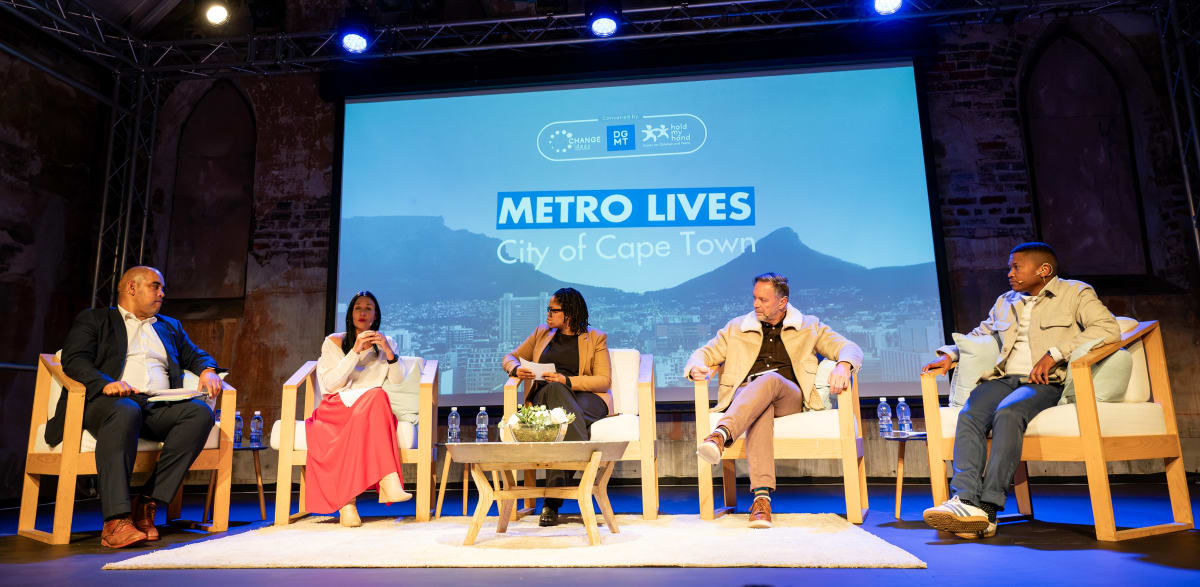
At a July 2026 Metro Lives dialogue hosted by the DG Murray Trust, political leaders announced concrete plans to invest in the communities that need it most. Deputy Mayor Eddie Andrews and Good Party leader Brett Herron laid out a vision where every child's zip code stops determining their future.
The numbers tell the story. Of Cape Town's 2,620 early learning centers, about 65% can't meet compliance regulations not because they don't want to, but because administrative barriers stand in their way. Andrews has spent three years leading a task team to knock down those barriers, exempting centers in vulnerable areas from penalties and waiving development fees that shut out quality childcare.
"We engage. We ask them, why are you not compliant? What barriers are you facing?" Andrews explained. The goal is simple: more kids in safe, registered learning environments within five years.
The effort tackles a painful legacy. Thirty years after apartheid ended, where a child grows up in Cape Town still determines access to decent schools, safe play spaces, and real opportunities. Herron didn't mince words about the injustice: communities designed to fail during apartheid continue failing children today because the city's spatial inequalities remain largely unaddressed.
City leaders are putting money behind their promises. Cape Town has hired 1,600 new law enforcement officers over four years while national police numbers dropped, working to make neighborhoods safer for families. The city is also "crowd investing" budget resources into skills training and infrastructure in areas that need it most.
Western Cape Children's Commissioner Sarah Roberts joined the conversation, emphasizing that breaking down departmental silos matters as much as funding. When housing, education, safety, and childcare departments work together instead of separately, kids win.
The Ripple Effect
When cities invest in early childhood development and safe spaces in vulnerable communities, the impact multiplies across generations. Kids who start strong in quality early learning programs arrive at school ready to succeed. Safer neighborhoods mean parents can work without constant fear. Better infrastructure connects families to opportunities that were previously out of reach.
The approach represents a fundamental shift: measuring city success by how well the youngest, most vulnerable residents are thriving. By targeting investment where apartheid-era planning created the deepest inequalities, Cape Town is building pathways to success that didn't exist before.
Andrews grew up on the Cape Flats seeing these injustices firsthand. Now he's in position to change them, starting with the city's most important program focus: early childhood development.
Cape Town's children are finally getting a seat at the planning table, and the whole city stands to benefit.
More Images
%2Ffile%2Fattachments%2Forphans%2FBrettHerron_953623.jpg)
%2Ffile%2Fattachments%2Forphans%2FEddieAndrews_354268.jpg)
Based on reporting by Daily Maverick
This story was written by BrightWire based on verified news reports.
Spread the positivity!
Share this good news with someone who needs it

%2Ffile%2Fauthors%2F17555857321324624621.jpg)