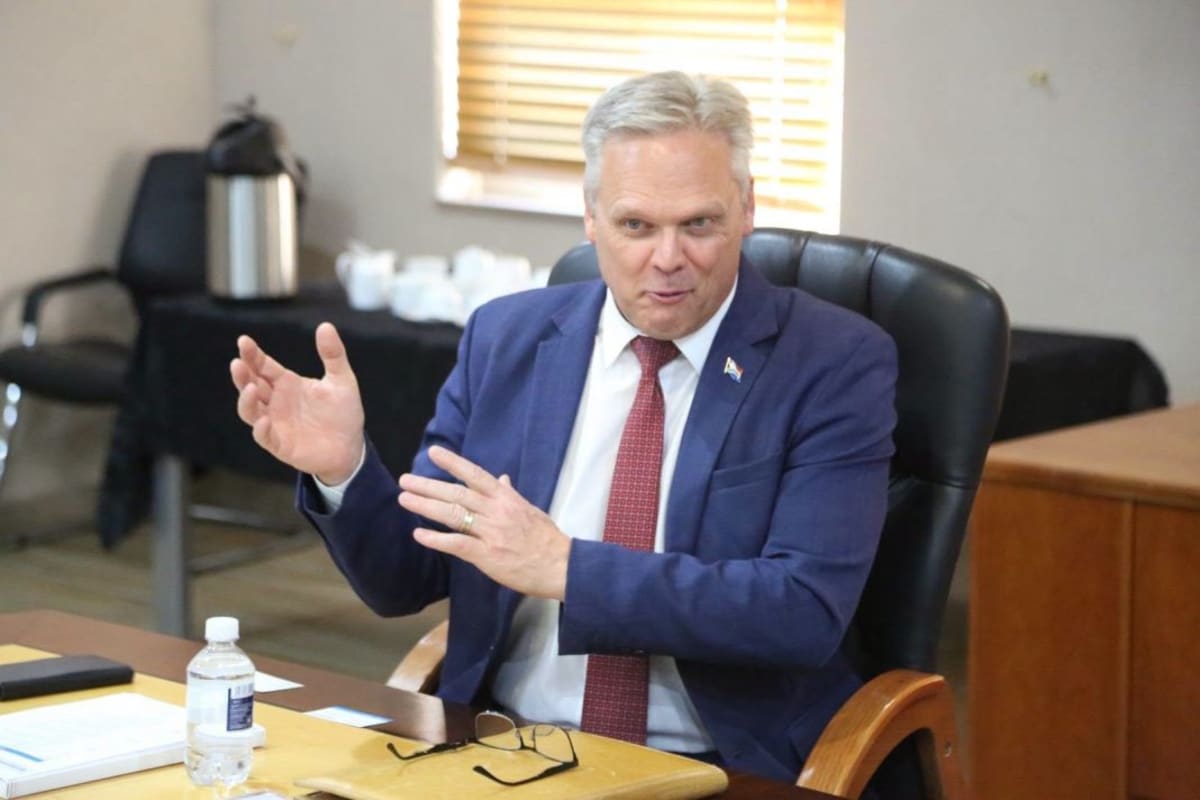
%2Ffile%2Fdailymaverick%2Fwp-content%2Fuploads%2FDavid-Harrison1-1.jpg)
South African Court Unlocks School Innovation for Millions
South Africa's Supreme Court just gave provinces the green light to redesign struggling public schools through creative partnerships. The ruling could spark bottom-up education reform across thousands of schools where bureaucracy has stifled learning for decades.
A court decision in South Africa just opened the door for education innovation that could reach millions of children trapped in underperforming schools.
The Supreme Court of Appeal ruled that provinces can create new types of public schools beyond the rigid, one-size-fits-all system that has dominated for decades. This means schools can now partner with nonprofits and outside experts to try fresh approaches to lifting student achievement.
The case centered on Western Cape's 2018 law allowing two new school models. Collaboration schools let nonprofit partners hold half the governing board seats and work directly on boosting academic performance. Donor-funded schools give external investors similar influence in exchange for their support.
Critics argued this violated national law requiring parents to control school boards. But the court disagreed, ruling that while national legislation sets the framework, provinces have the power to innovate within it.
The decision matters because South Africa's current system treats all 20,000 public schools identically, even though their needs differ wildly. Principals in poor areas spend hours traveling to submit reports while their students fall further behind. Teachers rigidly follow daily curriculum requirements even when children can't understand the material.
Wealthy schools find workarounds and offer enrichment opportunities. But in township and rural schools, the bureaucratic burden crushes creative teaching and imaginative leadership exactly where it's needed most.
Previous reform attempts flopped. Outcomes-based education launched after apartheid with good intentions but collapsed because undertrained teachers couldn't implement its complex philosophy. The replacement system added more prescription and paperwork, but student outcomes in poorer schools stayed stubbornly low.
The Ripple Effect
This ruling changes the game by letting each province experiment with what actually works in their communities. Schools can now become laboratories for improvement rather than factories churning out predictable failure.
Western Cape already has its collaboration and donor-funded models ready to launch. Other provinces can now design their own innovations tailored to local needs.
The ruling preserves national standards while giving provinces room to paint each school with its own approach. Success won't come from forcing uniformity or embracing chaos, but from patient, deliberate improvement school by school.
For children in struggling schools who have watched the same failed system repeat year after year, this legal breakthrough offers something rare: permission to try something different.
More Images

Based on reporting by Daily Maverick
This story was written by BrightWire based on verified news reports.
Spread the positivity!
Share this good news with someone who needs it