Carbon Memory Could Cut AI Energy Use by Half
Scientists created atom-thin carbon sheets that remember electrical patterns, potentially slashing the power artificial intelligence systems need. The breakthrough could help data centers use far less electricity as AI grows.
Artificial intelligence's hunger for electricity might finally meet its match in a carbon sheet thinner than a human hair.
Russian Academy of Sciences researcher Dr. Gennady N. Panin showed that ultra-thin carbon films can remember how electricity flows through them, storing memory directly inside the same material that processes signals. This simple change could cut the energy AI systems waste moving data back and forth between separate memory and processing chips.
Today's computers burn through massive amounts of power because of an old design flaw. Memory sits in one place while processing happens somewhere else, forcing data to constantly shuttle between the two. Moving that information can eat up more than half of a system's total electricity use.
The International Energy Agency projects global data centers will consume 945 terawatt-hours by 2030. That's roughly equal to Japan's entire annual electricity consumption.
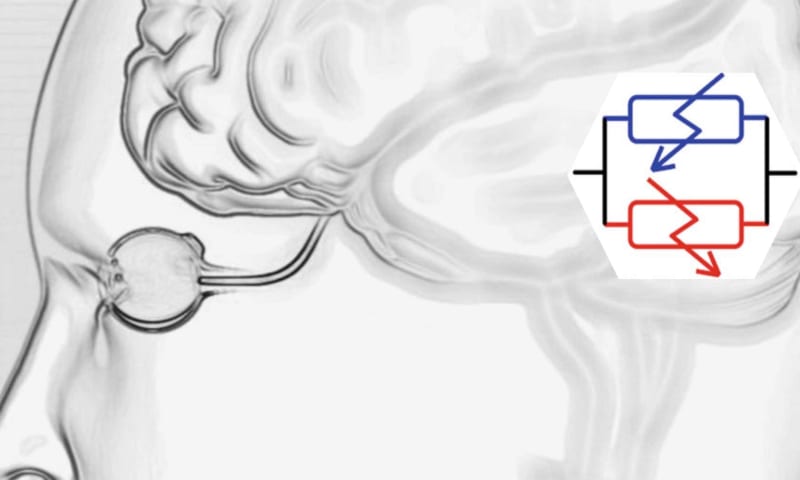
Carbon-based memristors solve the problem by doing two jobs at once. These tiny devices change their electrical resistance based on past current flow and hold that state without needing constant power. Once engineers set them, they stay set, storing the weights AI uses to make decisions.
The secret lies in graphene, a one-atom-thick sheet of carbon. When voltage flows through it, oxygen atoms can attach or detach, flipping the material between easy-flowing and resistant states. Those changes stay stable through heat, stress, and thousands of switches.
The Ripple Effect
Putting memory directly into sensors changes what's possible for machine vision. Self-driving cars could process images faster while drawing less power, since the detector itself remembers patterns instead of shipping raw data elsewhere. Medical imaging systems could become portable enough for remote clinics.
Light can write memory into these carbon sheets too, not just electricity. That means cameras could adapt to changing conditions from bright sunlight to dim rooms without extra circuitry.
Dense grids of these memristors could stack directly above today's standard chips, letting one device handle sensing, memory, and math. Each grid can hold millions of AI weights in less space than current designs.
Real challenges remain before this technology leaves the lab. Manufacturers need to prove the devices can handle years of daily use without degrading. Production methods must scale up without driving costs too high or damaging the chips underneath.
But the potential payoff is enormous—powering the next generation of AI while actually reducing the strain on our electrical grid.
Based on reporting by Google News - AI Breakthrough
This story was written by BrightWire based on verified news reports.
Spread the positivity!
Share this good news with someone who needs it