Caribbean Island Becomes Sanctuary for 300 Rare Iguanas
A tiny uninhabited island in the Caribbean now hosts 300 endangered Lesser Antillean iguanas, up from zero a decade ago. The remarkable comeback shows how creating safe havens can help threatened species bounce back naturally.
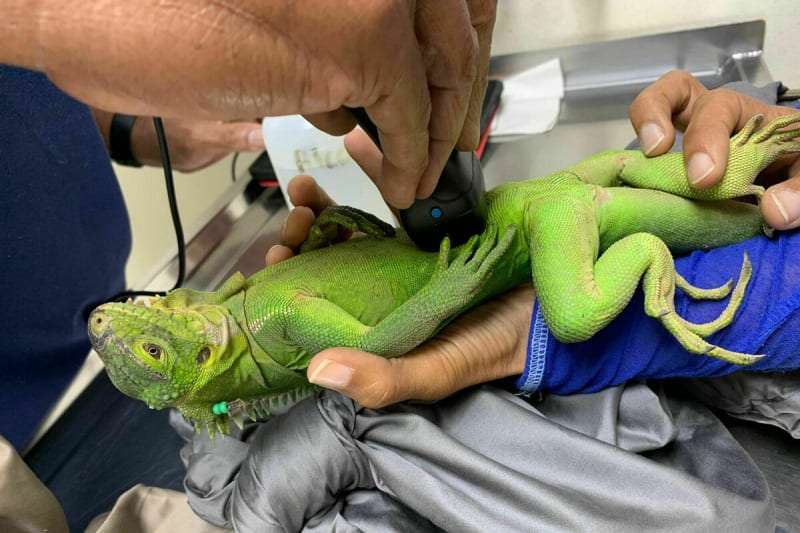
Ten years ago, scientists carefully transported 23 of the world's rarest iguanas to a quiet Caribbean island where they'd be safe. Today, more than 300 of these magnificent lizards call Prickly Pear East Cay home, and their numbers keep climbing.
The Lesser Antillean iguana nearly vanished from its native islands. Human development squeezed their habitat, and Hurricane Louis in 1995 accidentally introduced a bigger, more aggressive cousin that pushed them to the brink of extinction.
Devon Carter, a research associate with the Anguilla National Trust, saw the crisis coming. His team spent an entire year combing through Anguilla's main island, capturing every Lesser Antillean iguana they could find. Island residents pitched in, reporting sightings and snapping photos to help the search.
The team found exactly 23 iguanas. Genetic tests confirmed they were purebred, not mixed with the invasive green iguanas that had taken over most islands. These 23 represented Anguilla's entire population.
Starting in 2015, scientists moved all 23 to Prickly Pear East Cay, an uninhabited island where the iguanas would face no predators and minimal human contact. The island has just two restaurants for occasional boat visitors, and iguana isn't on the menu.
The results exceeded expectations. Scientists soon spotted nests, then hatchlings. "It was really encouraging that they reproduced," says Farah Mukhida, head of the Anguilla National Trust.
To strengthen genetic diversity, the team brought in females from Dominica, which hosts the region's largest population. These newcomers adapted quickly, building nests and raising young alongside the Anguilla iguanas.
The Ripple Effect
Prickly Pear East Cay now stands as one of only five places worldwide where Lesser Antillean iguanas are successfully recovering. The project proves a simple truth: native wildlife knows how to thrive when given the right conditions.
Jenny Daltry, who works with Fauna & Flora and Re:wild, calls the island "a beacon of hope for these magnificent lizards." The success story offers a blueprint for other endangered species clinging to survival on just a few remaining safe havens.
Only about 20,000 Lesser Antillean iguanas exist worldwide. These ancient reptiles reached the Caribbean roughly 7,000 years ago on driftwood from South America, long before humans arrived. They once thrived across a dozen islands but vanished from most as development expanded and invasive species moved in.
The Anguilla team's patient, methodical work shows that conservation doesn't always require high-tech solutions. Sometimes it just takes dedicated people, community support, and a safe place for nature to do what it does best.
More Images


Based on reporting by Google News - Conservation Success
This story was written by BrightWire based on verified news reports.
Spread the positivity! 🌟
Share this good news with someone who needs it


