Carmakers Bridge EV Gap With Range-Extended Technology
Major automakers are betting on range-extended electric vehicles that combine electric motors with small backup engines, offering drivers a path to cleaner cars without the anxiety of running out of charge. The technology could convince 70% of customers to switch to electric by 2030 while keeping European manufacturers competitive.
Volkswagen, Renault, and BMW are rolling out a solution that could finally ease the biggest worry keeping people from buying electric cars: running out of battery.
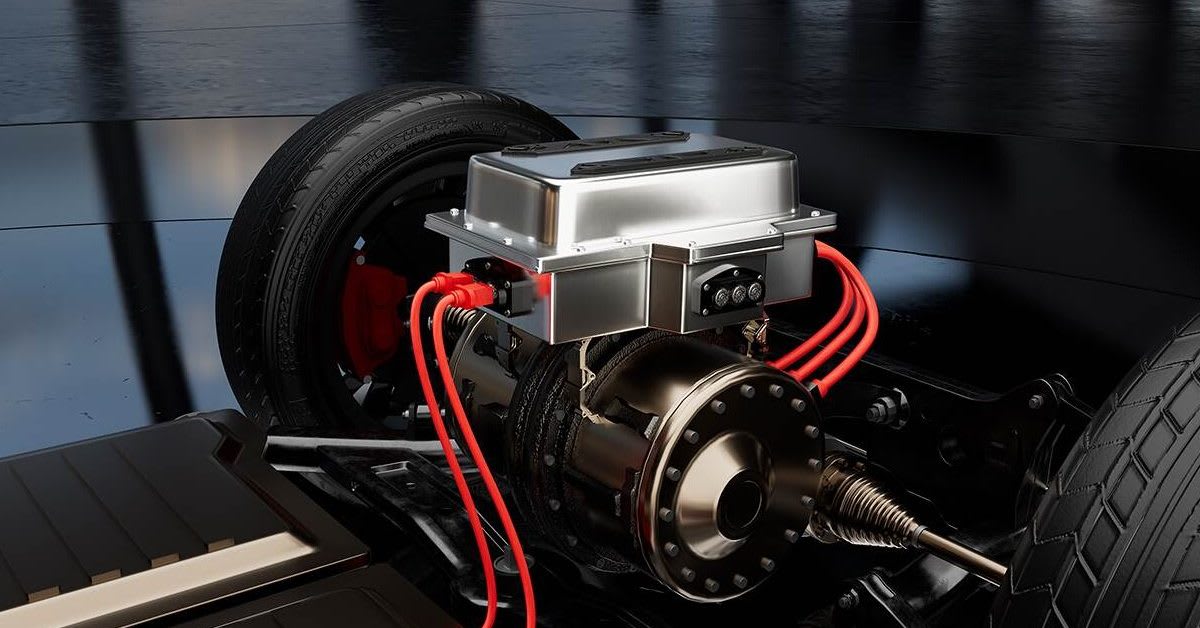
Range-extended EVs use a powerful electric motor for daily driving, paired with a small gasoline engine that only kicks in to recharge the battery when needed. Think of it as an electric car with a safety net that never leaves you stranded.
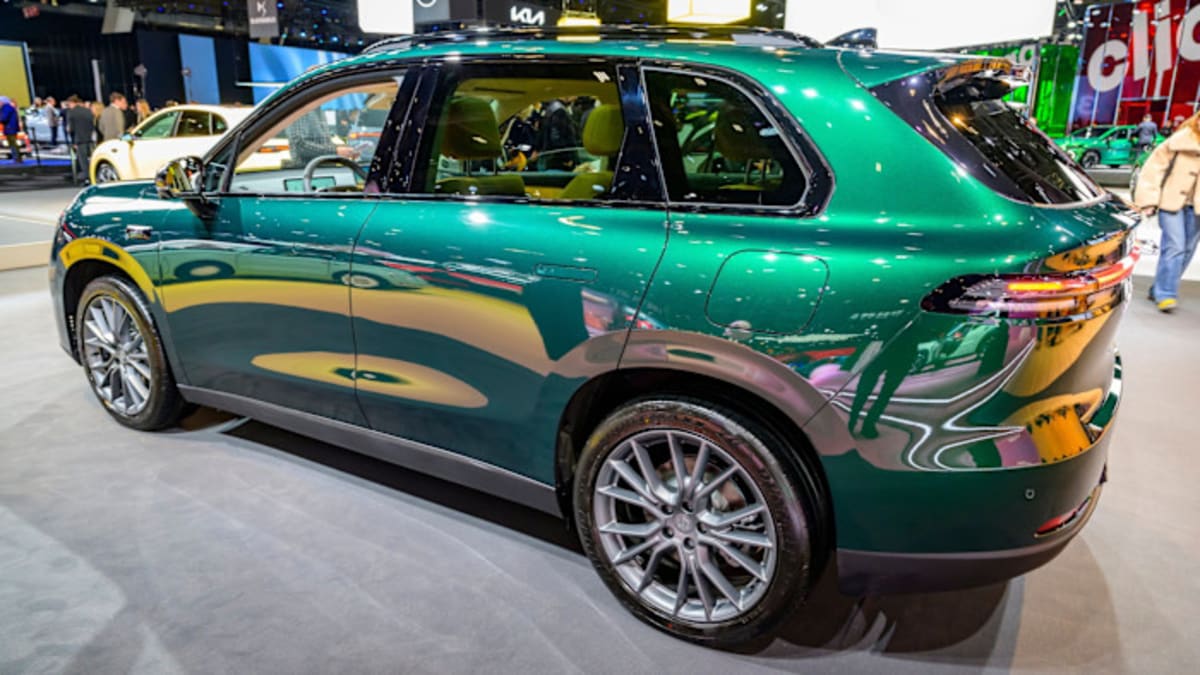
Renault's new models will travel nearly 500 miles on electric power alone, stretching to 870 miles with the backup engine. That's enough to drive from Paris to Berlin without worrying about finding a charging station.
"We think we can convince 70 percent of customers to move to EVs in 2030" with this option, said Renault CEO François Provost. The French carmaker sees it as the middle ground between today's short-range plug-in hybrids and the full electric commitment some drivers aren't ready for yet.
The timing isn't just about technology. These vehicles use smaller batteries than pure EVs, cutting costs while still running mostly on electricity for everyday trips to work, school, and errands. That means lower emissions than traditional hybrids without the higher price tag of large battery packs.
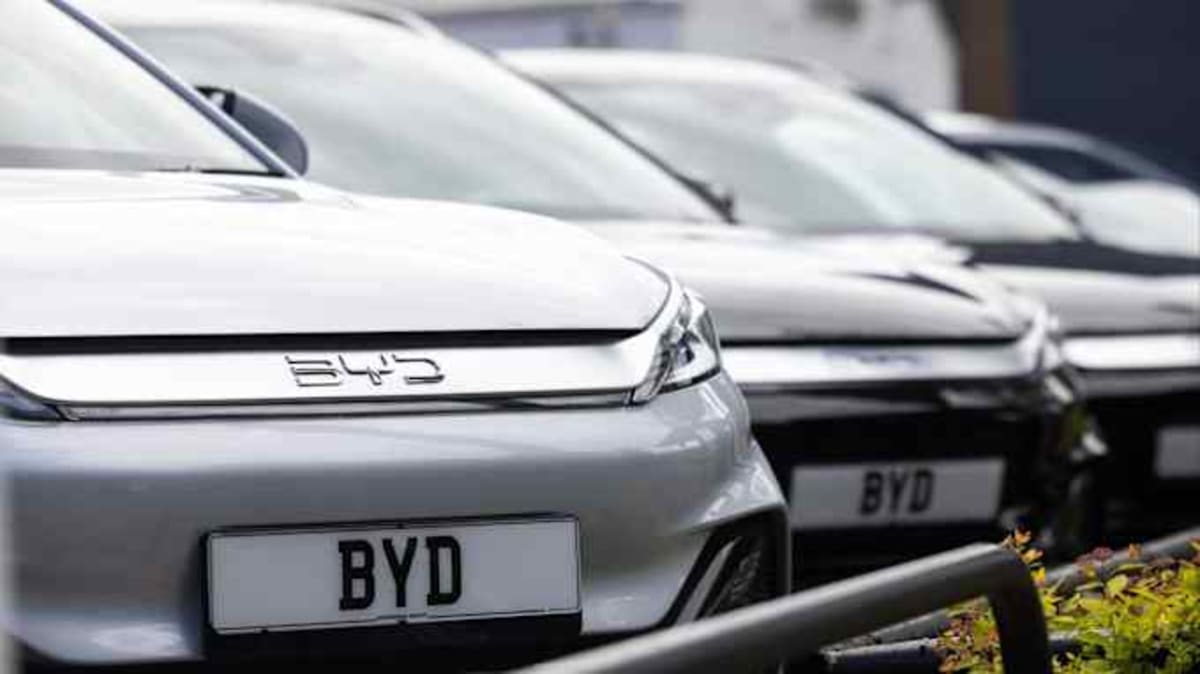
Western carmakers are also discovering a competitive advantage. Unlike pure electric vehicles where Chinese manufacturers dominate battery technology and supply chains, range-extended EVs rely on combustion engines, an area where European and American companies still excel. The technology was actually invented in Europe, meaning there's no learning curve.
Stellantis plans to launch range-extended versions of popular models like the Ram 1500 truck and Jeep Grand Wagoneer this year. Industry analysts expect these vehicles could capture a significant share of Europe's car market by the early 2030s.
The Bright Side
This isn't about abandoning the electric future. It's about bringing more people along for the journey. Range-extended vehicles let drivers experience electric motoring for most of their daily miles while keeping the comfort of a backup plan.
The smaller batteries also mean these cars can use existing engine manufacturing facilities, protecting jobs in traditional automotive regions. Suppliers in places like Stuttgart, Germany are already gearing up to produce components that give their local industries a fighting chance against overseas competition.
China's Leapmotor is currently the only brand selling these vehicles in Europe, but that's about to change. With rising fuel prices making longer electric ranges more attractive and charging infrastructure still catching up to demand, the technology addresses real concerns people have right now.
Even critics acknowledge that if range-extended EVs replace traditional gas-guzzlers and short-range hybrids, it's a win for cleaner air and lower emissions.
The road to full electrification doesn't have to be all or nothing, and sometimes the best way forward is meeting people exactly where they are.
More Images
Based on reporting by Google News - Electric Vehicle
This story was written by BrightWire based on verified news reports.
Spread the positivity!
Share this good news with someone who needs it