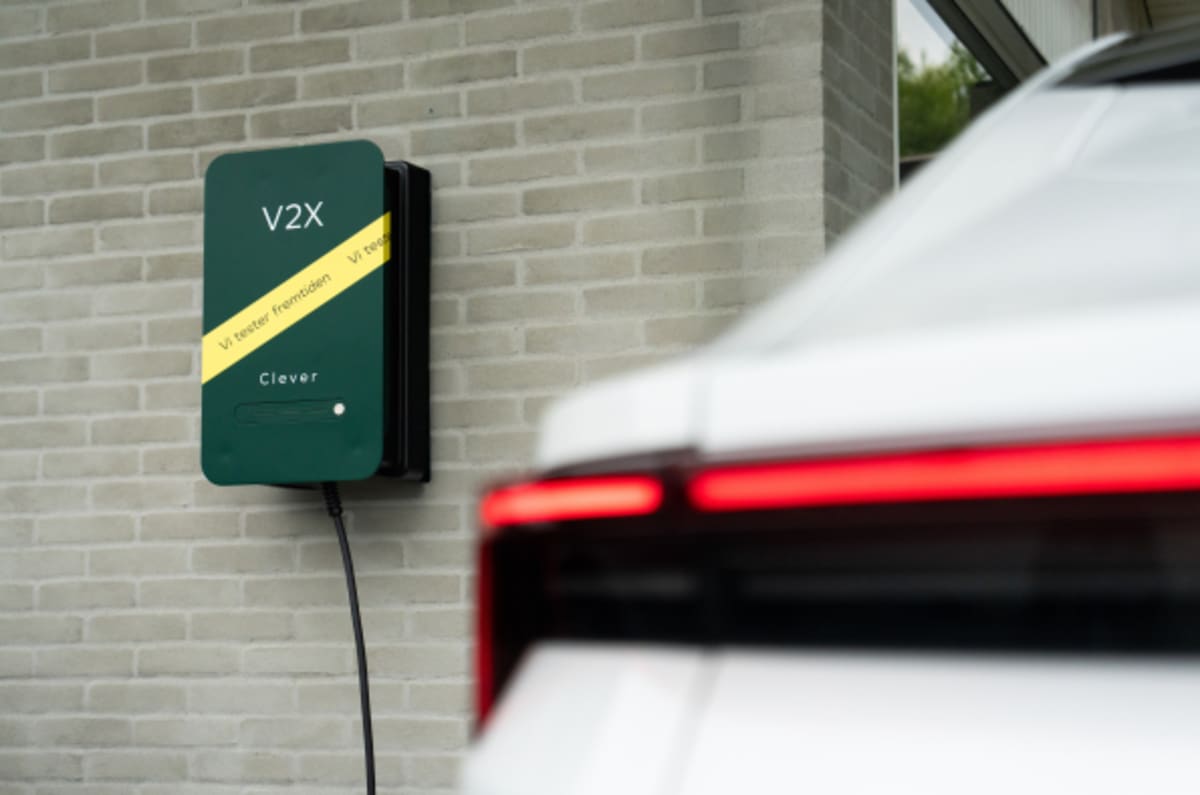
Danish Homes Turn Electric Cars into Power Banks
Polestar and Clever are testing technology that lets electric cars power homes, send energy back to the grid, and provide backup during outages. The pilot could slash energy bills while making renewable energy more practical for everyday families.
Your electric car might soon pay you back by powering your home and slashing your energy bills.
Polestar and charging company Clever are running Denmark's first complete test of vehicle-to-everything technology. The pilot program lets Polestar 4 electric vehicles do something revolutionary: charge up when electricity is cheap, then either power the home during expensive peak hours or send energy back to the grid when demand spikes.
The technology works like a massive rechargeable battery sitting in your driveway. A fully charged electric vehicle can keep an average home running for several days, making power outages less stressful and energy independence more achievable.
Henrik Bang, Managing Director of Polestar Denmark, explains the vision simply. "A solution to some of our time's biggest energy challenges is potentially already sitting in your driveway," he says.
The pilot tests three main functions. First, the car powers homes during expensive peak demand hours. Second, it supplies electricity back to the grid when the system needs extra support. Third, it provides emergency backup power during outages through "islanding mode," where the home runs entirely off the vehicle's battery.
Clever already helps drivers schedule charging when electricity costs less. Now they're taking it further by letting cars become active participants in the energy system. The platform automatically decides when to charge, when to store energy, and when to send power back based on prices and demand.
Christina Fink, CEO at Clever, sees this as a turning point. "We are now taking V2X from a vision of the future to everyday reality," she says. The company aims to launch commercial solutions in 2027, making Denmark one of the first countries where electric cars actively support the power grid.
The Ripple Effect
This technology could reshape how renewable energy works in practice. Solar and wind power create electricity inconsistently, but thousands of electric cars acting as distributed batteries could store excess energy and release it when needed. That makes renewable energy more reliable without building expensive power plants.
The pilot runs through fall 2026 in selected Danish homes. Polestar vehicles already receive continuous software updates, which means cars can gain new capabilities without visiting a service center. The company plans to share details about customer availability later.
For now, the message is clear: the electric vehicles people already own could become key players in the shift toward cleaner, cheaper, and more resilient energy systems.
Based on reporting by Google News - Electric Vehicle
This story was written by BrightWire based on verified news reports.
Spread the positivity!
Share this good news with someone who needs it